The United States has an international reputation for liking things big.
Our food portions are big. Our homes are big (as long as you don’t live in New York City). Our roads are big. And the cars we drive on those roads are humongous.
SUVs accounted for 52% of new vehicle sales in 2025, up from 46% in 2021 and 38% in 2016, per Good Car Bad Car. Full-size SUVs have doubled their market share since 2016, representing 3.5% of the market.
The growth in SUV popularity is great news for automakers. Profit margins for SUVs and trucks average 10% to 20% higher than those for smaller cars, since larger vehicles are more expensive, but use many of the same components, according to The Week.
Many Americans buy SUVs not just due to an affinity for big toys, but also because they believe these vehicles are safer.
SUVs are heavier and generally sit higher than sedans. That extra mass can reduce the force transferred to occupants in a head-on collision or side impact, according to Pierce Skrabanek.
Also, because SUVs’ higher ride height places the bumper above the main reinforcement zones of a sedan, they are less vulnerable to side-impact crashes than their smaller counterparts.
They also score better in multi-vehicle accidents.
Related: These are the 5 most reliable compact SUVs, says Consumer Reports
But there are tradeoffs.
Smaller vehicles tend to handle better because they are lighter. So they are better at avoiding collisions altogether if the driver can react in time. Also, due to the higher ride height mentioned above, SUVs have a greater risk of rollover than sedans.
That higher center of gravity also works against the vehicle’s control during sharp turns, swerves, or high-speed crashes. Rollover accidents are particularly dangerous because roof crushes and ejections are common in those situations.
What is Consumer Reports?
Founded in 1936 by a group of workers fired from a product-testing firm called Consumers’ Research, Consumer Reports is a multifaceted nonprofit organization that aims to educate consumers about products and help them make informed purchasing decisions.
It does this by purchasing and testing products directly, administering detailed surveys to its members about the products they own and use, and investigating the veracity of manufacturers’ claims.
Related: See 5 more SUVs Consumer Reports calls ‘most reliable’
Consumer Reports at a glance
- Founded: 1936 (as Consumers Union by former employees of Consumers’ Research, fired after they attempted to unionize)
- Headquartered: Yonkers, NY
- Leadership: Marta Tellado, president and CEO
- Employees: Approx. 500 to 600
- Members: At least 6 million
- Mission statement: “Consumer Reports is an independent, nonprofit member organization that works side by side with consumers for truth, transparency, and fairness in the marketplace.”
Consumer Reports’ slogan, “Smarter choices for a better world,” captures the organization’s purpose. CR aims to educate and inform the public by providing objective information about popular products, helping consumers make “smarter choices” when purchasing major items.
For this list, Consumer Reports relied on the company’s own road-test scores, overall scores, reliability ratings, and owner-satisfaction ratings from its exclusive Annual Auto Surveys.
5 of the most reliable compact SUVs, according to Consumer Reports
2026 Lexus UX
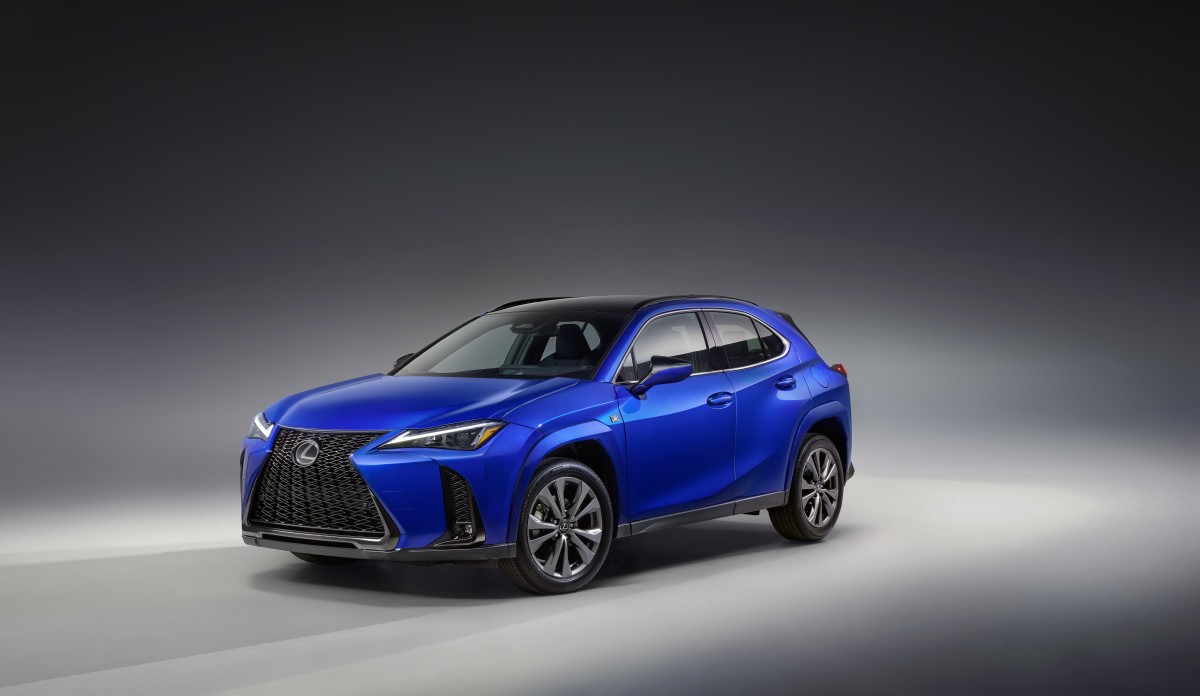
- Price Range: $36,995 – $46,945
- CR MPG: Overall 37/ City 32/ Hwy 42 mpg
- CR Ranking: #6 of 10 Luxury entry-level SUVs
- What CR says: The UX Hybrid comes in front- and all-wheel-drive versions. We got an excellent 37 mpg overall in our test of the AWD model, but the four-cylinder sounds very whiny when it’s asked to work hard. The UX has a comfortable ride, although it isn’t as plush as the bigger, more expensive Lexus SUVs. Handling is responsive, and the compact size makes the UX very maneuverable, but it isn’t sporty to drive.
2026 Porsche Cayenne
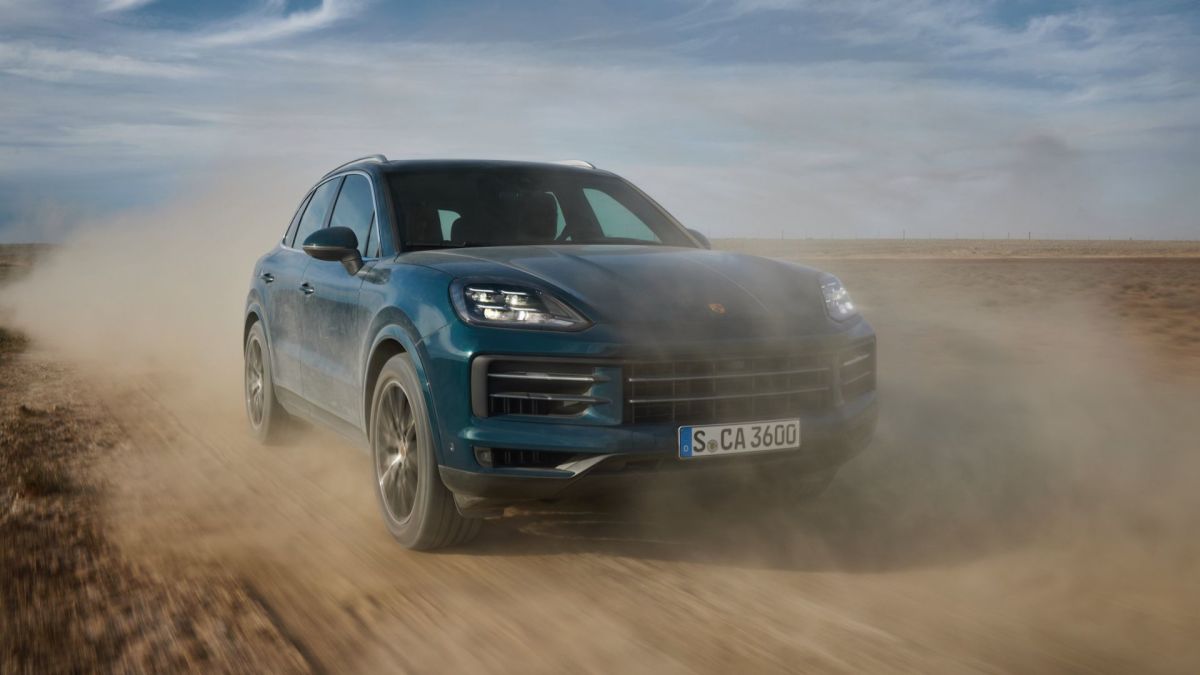
- Price Range: $89,900 – $214,800
- CR MPG: Overall 21/ City 15/ Hwy 29 mpg
- CR Ranking: #3 of 17 Luxury mid-sized SUVs
- What CR says: While the Cayenne has impressive handling agility, the ride has an underlying firmness, and some bumps punch through. We found the base turbo V6 had some initial hesitation off the line, but acceleration was robust once up to speed. Interior fit and finish is top-notch, and the seats are very comfortable and supportive.
2026 Lexus RX
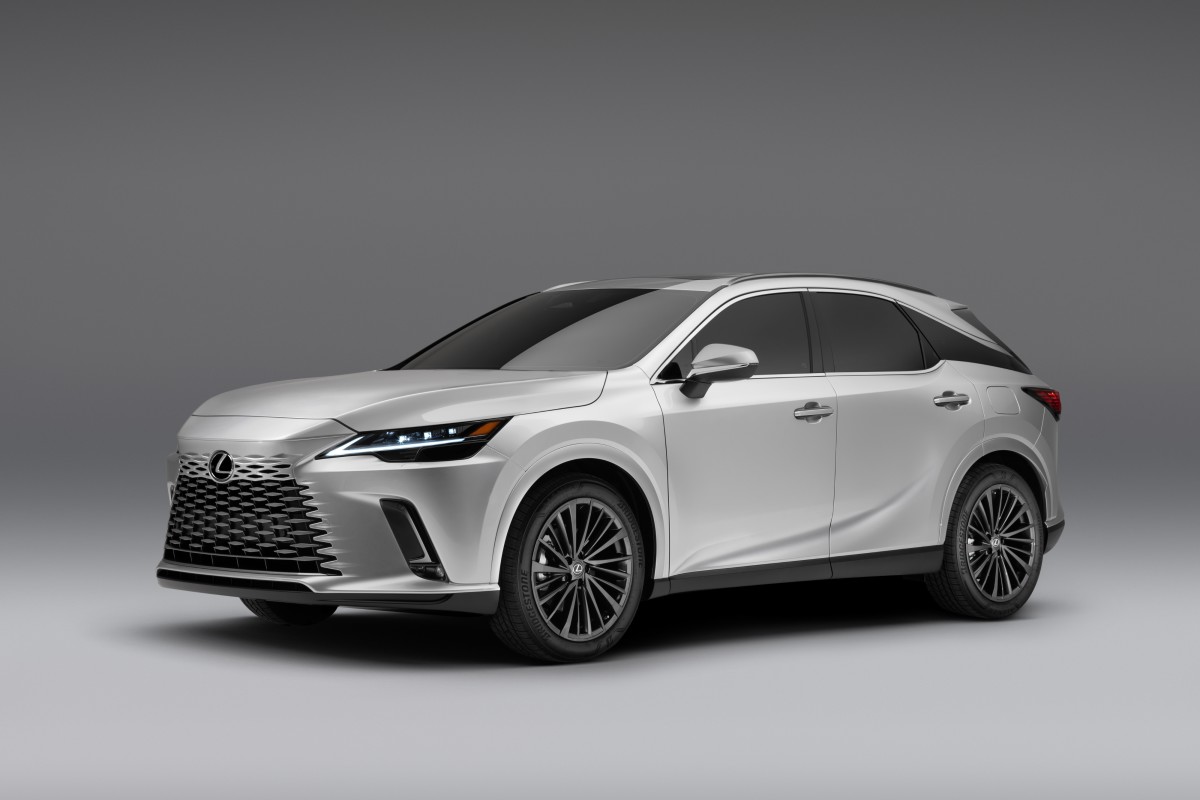
- Price Range: $50,525 – $71,860
- CR MPG: Overall 24/ City 16/ Hwy 34 mpg
- CR Ranking: #4 of 17 Luxury mid-sized SUVs
- What CR says: The RX uses a 275-hp, 2.4-liter turbo four-cylinder mated to an eight-speed automatic. It’s economical at 24 mpg overall, but the engine can sound gritty. The ride is comfortable with the standard 19-inch wheels and tires, but worse with the optional 21s. Handling is sound and secure but not sporty. The well-finished cabin has lots of padded surfaces, the front seats are comfortable, and the rear seat is roomy.
2026 BMW X5
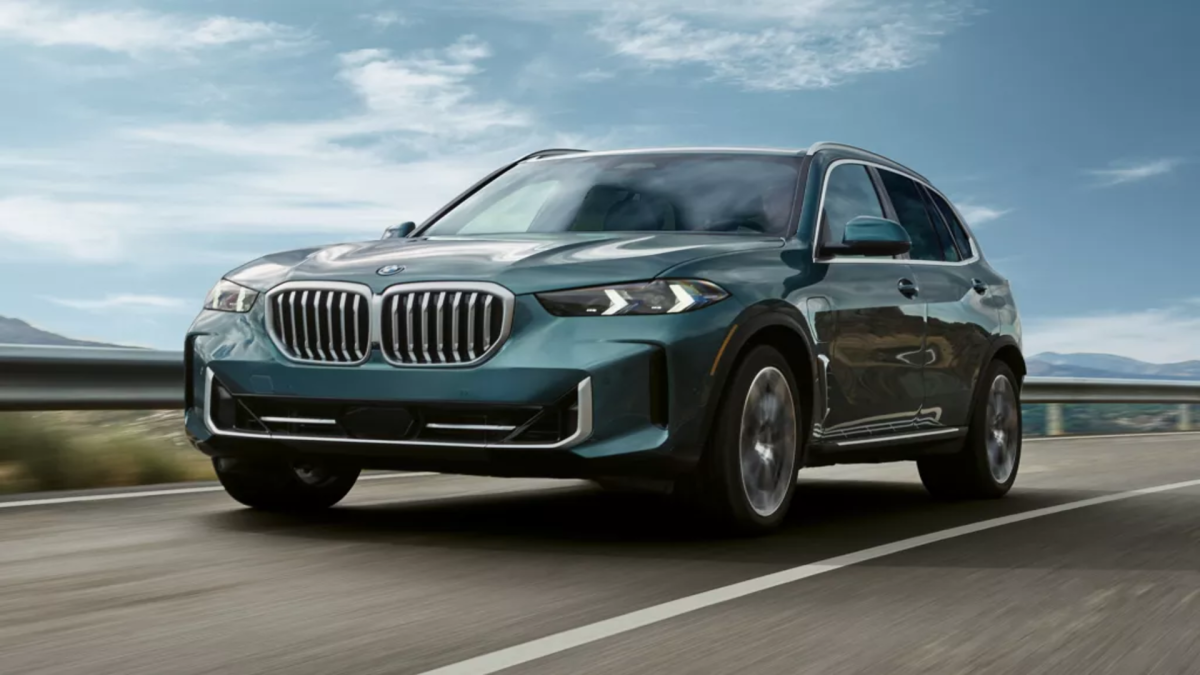
- Price Range: $67,600 – $131,000
- CR MPG: Overall 23/ City 15/ Hwy 33 mpg
- CR Ranking: #1of 17 Luxury mid-sized SUVs
- What CR says: Recent updates have given the X5 a digital instrument display and a 14.9-inch touchscreen that houses most controls. The standard 3.0-liter turbo six-cylinder now makes 375 hp, is quick and smooth, and returns a decent 23 mpg overall. The ride is comfortable and impressively steady and composed. The luxurious cabin is whisper-quiet, and the seats are all-day comfortable.
2026 Lexus TX
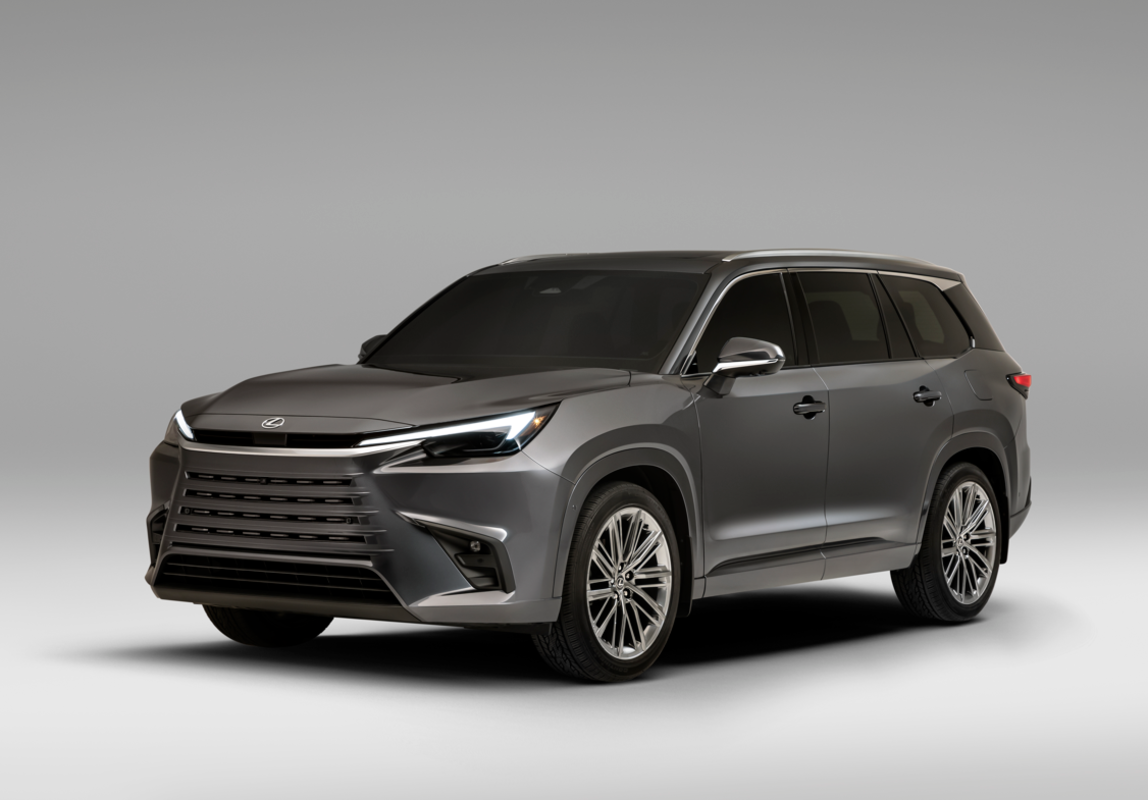
- Price Range: $56,440 – $80,310
- CR MPG: Overall 21/ City 14/ Hwy 29 mpg
- CR Ranking: #4 of 17 Luxury SUVs 3-row
- What CR says: The three-row Lexus TX is a more mainstream, family-friendly SUV than the three-row GX. Sized a notch up from the RX, the TX 350 comes with a 275-hp turbo four-cylinder that returns 21 mpg overall but requires premium fuel. Handling is on the mundane side, which isn’t unexpected for a luxurious, family-friendly SUV. There’s plenty of room in all three rows and tremendous cargo-toting ability when the third row is folded.
Related: 5 more great SUV deals to consider, according to Consumer Reports