TheStreet aims to feature only the best products and services. If you buy something via one of our links, we may earn a commission.
Headlines about the hantavirus spreading across cruise ships and new outbreaks of Ebola diverting airline travel may feel like flashbacks to the early pandemic days, but there’s no need to start stockpiling the toilet paper just yet. Instead, consider creating an emergency survival kit that can provide peace of mind and everything you might need if an unexpected disaster strikes, like a severe summer storm that takes down the power lines. An emergency survival kit doesn’t need to be anything fancy, but it should include basic first aid supplies, non-perishable food, drinkable water, and a light source.
A backup power source can take any emergency survival kit to the next level, but they’re also a useful tool for outdoor enthusiasts or those going off the grid. In the past, generators and power stations ran mainly on gasoline or a rechargeable battery, but a portable solar panel is a cleaner energy source that only requires exposure to sunshine to fully charge. You don’t even need to buy a new generator to take advantage of this renewable energy. Options like the EBL 200-Watt Portable Solar Panel at Amazon are compatible with nearly all the mainstream outdoor generator brands, including Grecell, Blutti, Anker, and EcoFlow, and convert sunlight into usable electricity. Unlike traditional solar panels, this one features a portable design, making it a reliable option for use on the go. The best part, though, is that it’s on sale for just $150, making it an affordable buy with lots of benefits long-term.
What are the advantages of a portable solar panel?
A portable solar panel is lightweight and easy to transport. Depending on the size, it may even feature a foldable design, so it’s slim enough to slip into a backpack on your next camping trip. The compact size makes them more practical for a variety of outdoor activities.
Installation is also simplified for a portable solar panel compared to regular models. While there may be a single wire connecting the generator to the solar panels, you don’t need to run complex wiring or have a power tool handy to mount them. All it takes to begin is unfolding the panels and laying them out in the sunlight, making them a user-friendly power source. Collecting this energy and converting it into power is done quietly and won’t have smelly fumes, which isn’t the case with gas-powered generators.
If you’ve ever wanted to equip your home with solar panels, portable solar panels are a more affordable way to test it out. For the average home, it would cost a minimum of $20,000 to install a complete solar panel system, but the EBL 200-Watt Portable Solar Panel, mentioned previously, is available for a fraction of the cost, priced as low as $150 for Amazon Prime members.
EBL 200-Watt Portable Solar Panel
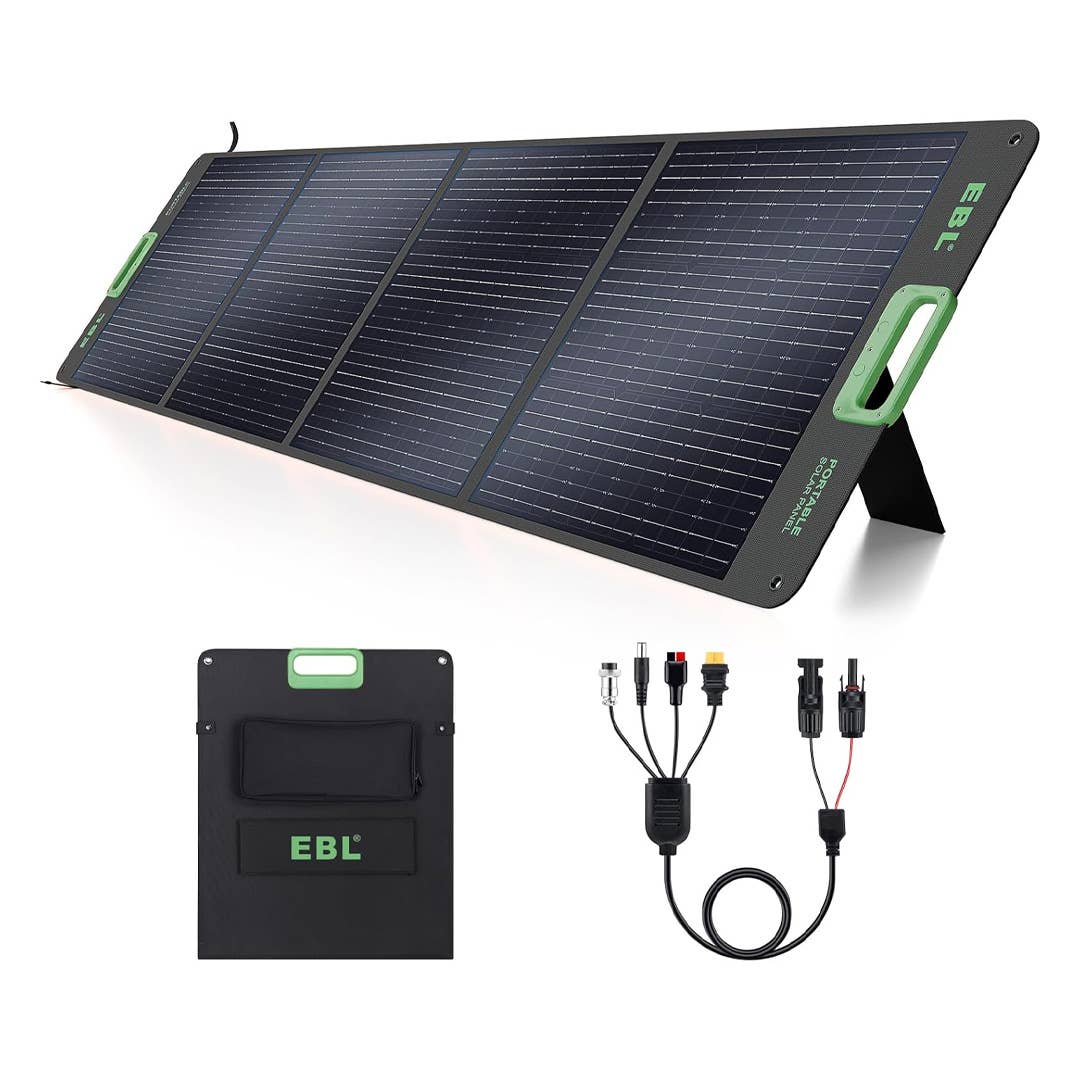
Built with monocrystalline silicon, these solar panels are highly efficient and have a conversion rate of up to 23.5%, which is higher than the 17% rate you’d typically find for polycrystalline panels. To collect the solar power from these panels, you will need to pair them with a generator, but the four-in-one solar charging cable is compatible with a wide variety of models. Depending on your power needs, you can even get a 100-watt version of this solar panel for under $100.
How are portable solar panels useful?
There are three main ways to use portable solar panels.
- Camping and hiking. Portable solar panels are practical for charging up your small devices on camping or backpacking trips, like a smartphone, battery-powered lantern, or Bluetooth speaker.
- Vans and RVs. Depending on your energy usage, you may be able to opt for solar power instead of a gas generator when boondocking in a camper or RV.
- Household emergencies. You can keep these solar panels near a window or on the balcony so they’re always charged up and ready to go, whether there’s a bad storm on the radar or you just want to offset your utility bill while charging electronics.
How can portable solar panels save you money?
Whether you visit the local gas station to fill up a fuel can to power your generator or charge it directly from your electrical outlets in the garage, you’re spending money. Sunshine is a free resource that can be collected daily. While you’ll be out the initial costs for the solar panels, and the generator if you don’t already own one, you won’t incur extra costs down the road, making it a reliable option for long-term use.
How to find the right portable solar panels
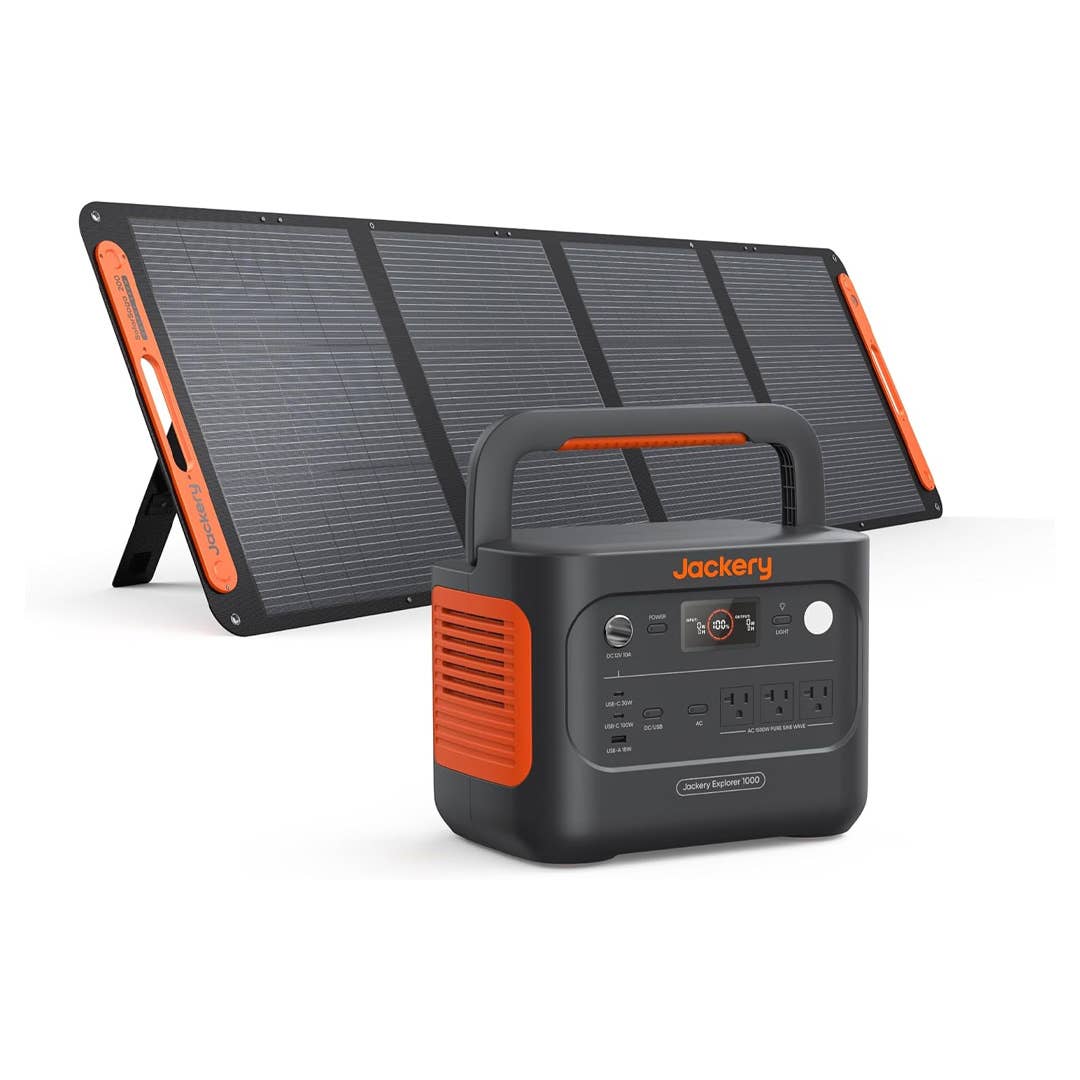
First and foremost, you’ll need a generator or power station that connects to portable solar panels. You can get bundles that pair solar panels and a generator, like the Jackery Solar Generator 1000 v2 with 200-Watt Solar Panels, but these will range in cost from $500 to $1,500. If you already own some sort of generator, it’s going to be better for your budget if you find solar panels that are compatible with it.
When investing in portable solar panels, you’ll want to look at the amount of power they supply and the compatibility they’ll have with other systems. For solar power, 200 watts should be sufficient for running small home appliances and devices. If you only want to charge your electronics or iPhone, you could likely get away with something as low as 100 watts. Finally, consider the size and weight. If you plan on carrying these in your backpack during a weekend-long trek, you won’t want anything that weighs you down.
Jackery Solar Generator 1000 v2 with 200-Watt Solar Panels
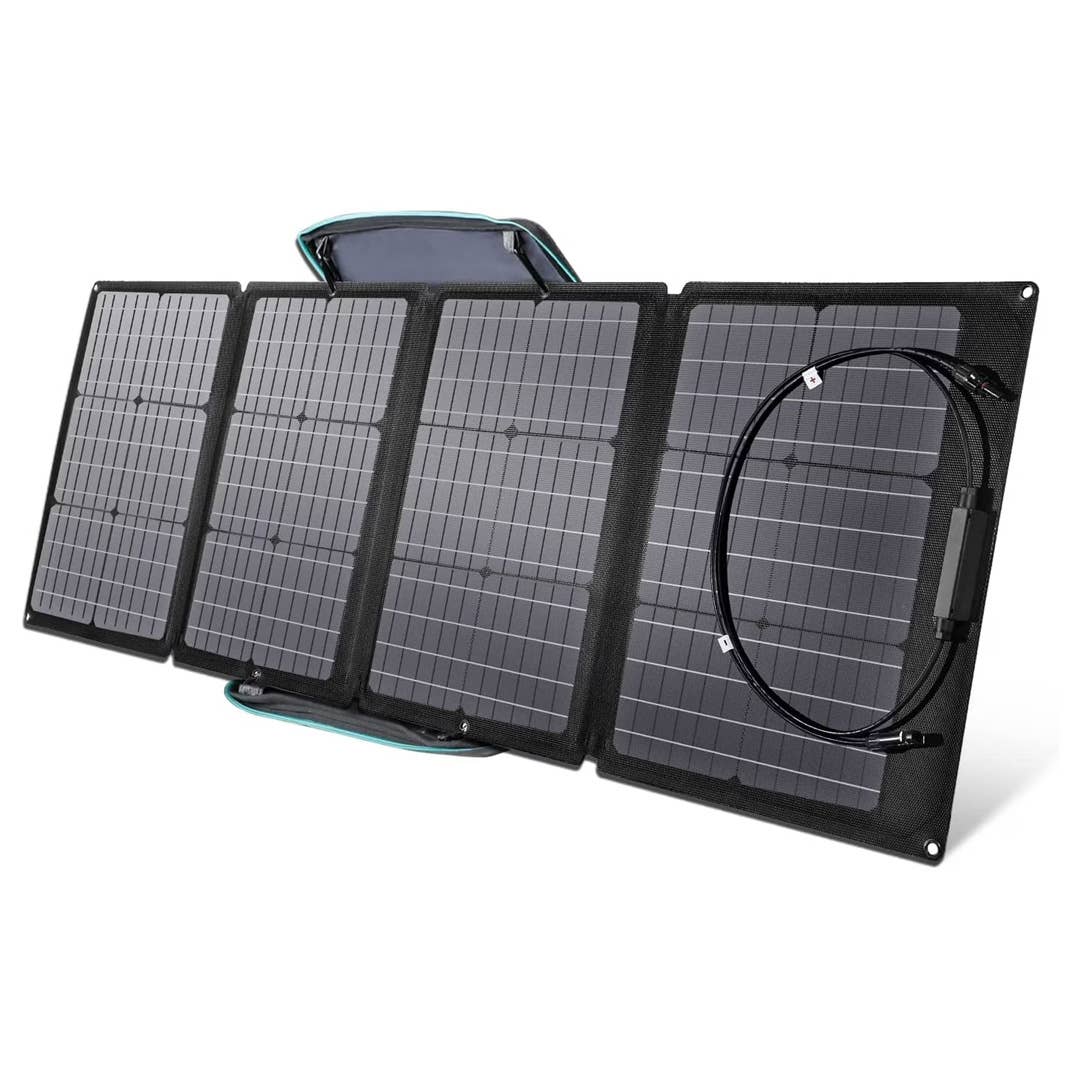
EF EcoFlow 110-Watt Portable Solar Panel
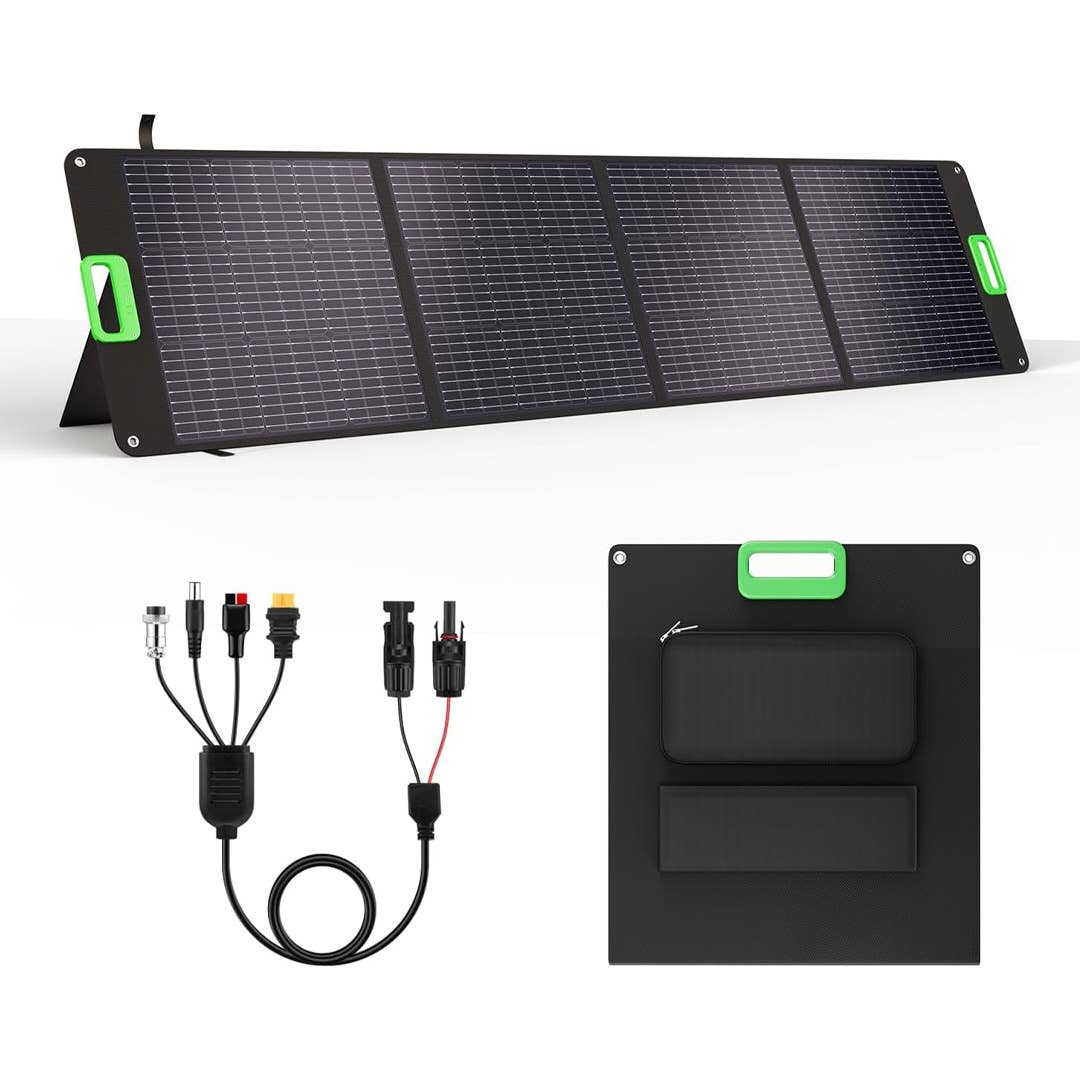
Grecell 200-Watt Portable Solar Panel
TheStreet Shopping is your guide for shopping insights and advice. We look beyond the price tag to find the best value in home, tech, and wellness gear based on product features and real-world use.