Gold hit a record $5,589.38 an ounce on Jan. 28. By Sept. 22, it was trading near $4,286, per Trading Economics.
Wall Street is now updating what it expects from the metal by end of the decade.
Bernstein Research analyst Bob Brackett cut the firm’s 2030 gold price forecast to $5,600 an ounce from $6,100, according to Investing.com.
His reason: interest rates, not demand. He still expects gold to go higher. Central banks keep buying. The path just got longer.
Why Bernstein cut its 2030 gold price forecast
When 2026 started, markets expected the Fed to cut rates once or twice. Now they expect two or three rate hikes by 2027. That is a big swing in less than a year.
Real interest rates have climbed to roughly 2.7% from about 1.7% in early March. The 10-year Treasury yield was near 4.9% at the time of the note. The 10-year inflation-protected yield was around 2.6%. Gold pays no interest. Higher real yields mean investors give up more income to hold it.
Brackett said the rate shift is the entire reason for the target cut.
“The revision reflects a rise in real interest rates, not a deterioration in physical demand for gold,” he wrote, Investing.com reported. The Fed’s Sept. 16 rate hike pushed that picture further in the same direction.
Why Bernstein is still bullish on gold despite the cut
Brackett said gold can still rise even as real rates climb slowly. He pointed to gold’s run between 2023 and 2025. Real rates were also rising then. Gold kept going up.
After the Sept. 16 Fed rate hike, gold ETF holdings stayed flat. The metal did not fall hard.
Brackett also noted that gold can “rise with slowly rising real rates, the path we appear to be on.”
His core argument is about who is buying. Central banks bought more than 1,000 metric tons of gold in 2022, 2023, and 2024. Each year that absorbed nearly a quarter of annual global mine supply.
China, Japan, and Saudi Arabia each hold less than 10% of their reserves in gold. Western central banks hold roughly 60% to 70%. Brackett sees room for large reserve managers in Asia and the Middle East to keep adding.
More Gold & Silver:
- Robert Kiyosaki has a bold call on gold and silver
- Peter Schiff sees something big in gold and silver
- BofA sees lost year taking shape for gold
A World Gold Council survey found 95% of central banks expect global gold reserves to rise over the next year.
Central banks do not flip in and out of gold the way fund managers do. They buy steadily and in volume. That buying has been the biggest stabilizing force in the gold market for three straight years.
Brackett also pointed to the pace of reserve-manager buying specifically. Central banks do not adjust allocations overnight. They buy across years and decades. Even a modest shift by Asian reserve managers toward higher gold allocations adds sustained demand that ETF outflows or rate moves cannot easily offset.
That long buying horizon is the part of the thesis Brackett says the market underweights.
What Goldman Sachs says about gold right now
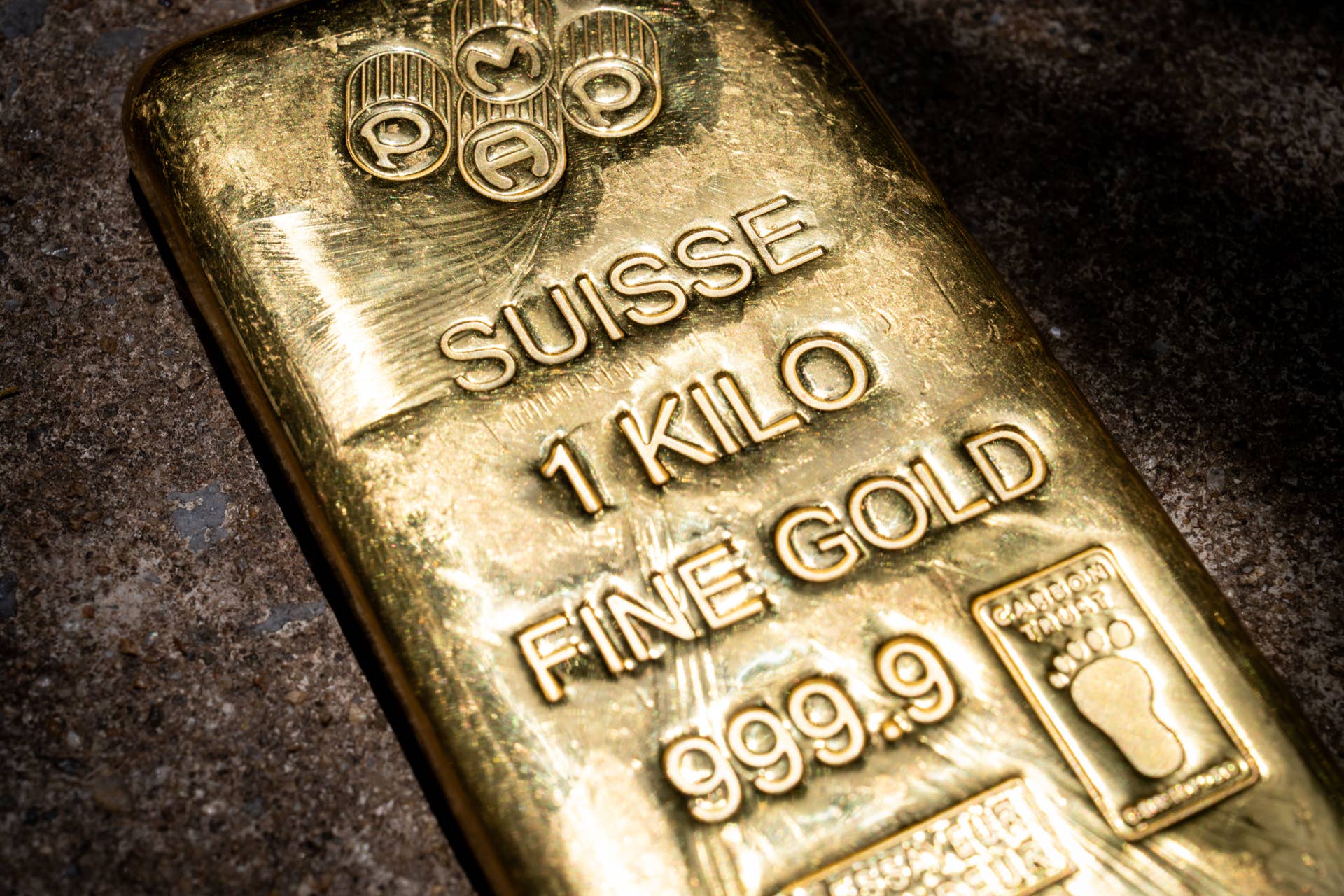
Goldman Sachs lowered its end-of-2026 gold fair-value estimate from $4,900 to $4,650 on Sept. 20. Goldman analyst Lina Thomas held the firm’s end-of-2027 target at $5,400. She said tighter policy may slow gold’s climb but cannot break it.
Goldman and Bernstein are not outliers. Several other banks have also been adjusting gold targets as the Fed rate path became clearer after the Sept. 16 hike.
The direction of revisions has been mixed. Some firms are trimming near-term targets while holding long-term ones. Others are pulling back across the board. Bernstein is one of the few still pointing to $5,600 or higher by 2030.
Goldman and Bernstein agree higher real rates are a headwind for gold. They part ways on how much central-bank buying offsets it. Goldman is more cautious on the near term. Bernstein still thinks official buying is strong enough to keep gold moving higher even as yields rise.
The dollar is also in play. A stronger dollar makes gold more expensive for overseas buyers. A weaker dollar does the opposite. Both firms are watching the dollar alongside interest rates and central-bank data.
What could stop gold from reaching $5,600 by 2030
Brackett named one main threat: a slowdown in central-bank purchases. If official buying drops well below 1,000 metric tons a year, gold loses a critical prop and gets more sensitive to yields and the dollar.
More aggressive Fed rate increases, a sustained rise in real yields or weaker demand from China are all risks Brackett flagged.
ETF flows matter too. Sustained outflows from gold funds would add selling pressure at the same time rising rates make the metal less attractive to hold.
Energy prices are also a factor. High fuel and refined-product costs keep inflation elevated. Sticky inflation means more Fed hikes. More Fed hikes push real yields higher. That is the chain Brackett is tracking most closely heading into 2027.
On the other side, drone strikes on Riyadh and Hormuz disruptions are keeping safe-haven demand alive. Geopolitical risk has partly offset the rate headwind so far. If the Middle East situation improves significantly, that support fades.
Brackett is counting on central banks, not geopolitics, to carry the gold bull case to 2030.
Related: Goldman Sachs gold price target takes a turn after Fed rate hike