Established by former President George W. Bush in the aftermath of 9/11, the Transportation Security Administration (TSA), the government agency in charge of airport security, periodically takes to social media to call out traveler mistakes or post tongue-in-cheek comments about traveler behavior.
When multiple international visitors who came to the U.S. for the FIFA World Cup during the summer of 2026 saw the bottles of ranch dressing they bought as souvenirs confiscated at security, the TSA put out a viral PSA reminding travelers that the tangy sauce is, in fact, a liquid.
In the past, TSA put out similar public warnings about everything from cream cheese and power banks to hair curlers and clothing with sequins.
Medication and pacemakers: TSA spokesperson points out common travel mistakes made by the elderly
In an interview with Travel + Leisure, a TSA spokesperson singled out elderly passengers as making specific kinds of travel mistakes that slow them down and cause inconvenience at security screening.
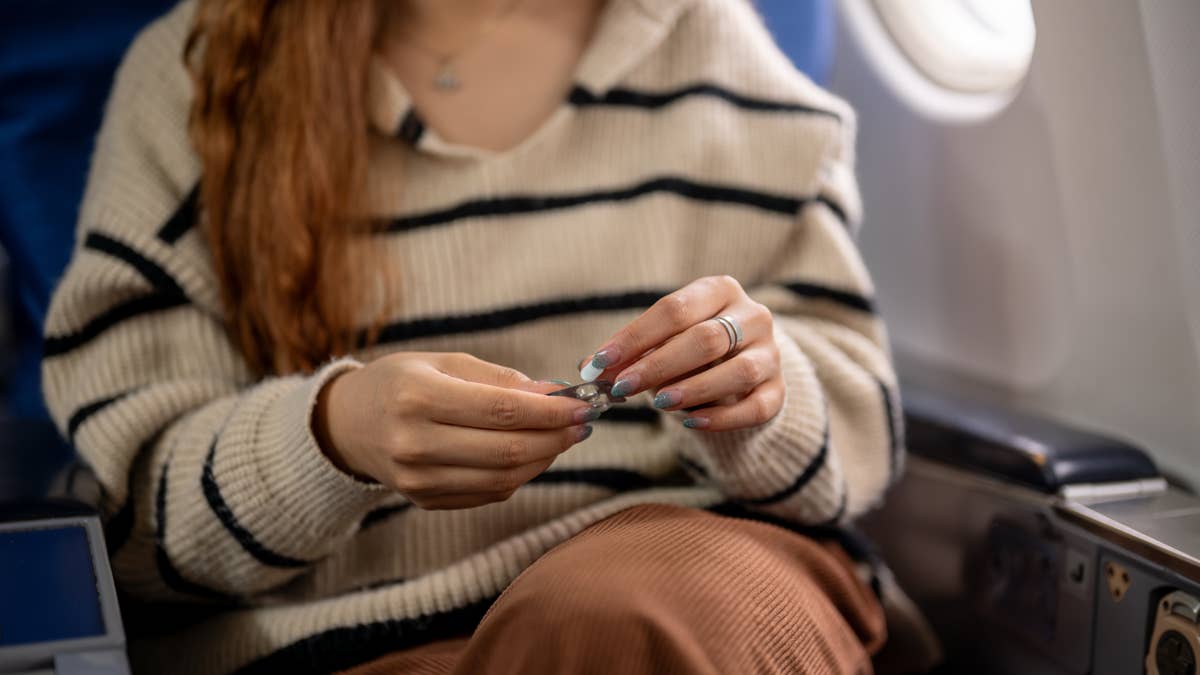
As aging generally increases the medications that a person tends to take daily, older travelers will often have more pills, liquid solutions, and even syringes with them when they travel.
According to the TSA spokesperson, travelers should have anything they travel with clearly separated and marked, should an agent ask questions about what they brought aboard. While liquid medications are exempt from the three-one-one liquid rule and the subsequent 100-milliliter limit, they must be declared when one passes through security.
Related: Popular tourist destination adds ‘bikini ban’
Many seniors will also, according to former TSA agent Caleb Harmon-Marshall, forget that they have a pacemaker and walk through the metal detector when prompted to by an agent. (While patients with this cardiac device can generally pass through modern metal detectors without medical issue, full-body scanners are a better bet as they cannot set off a metal alarm or inadvertently alter the pacemaker’s settings.)
Travelers who have a pacemaker are urged to inform the TSA agent of this at the start of the screening or wear a medical card that makes this information visible to agents should one not want to remember to repeat it.
“This can be dangerous”: TSA on mistakes at security screening
“[Not doing] this can be dangerous, and they may think the metal detector is a safe option instead of the body scanner, which is what they should be using,” Harmon-Marshall said to T + L. “[…] For any senior citizen who isn’t sure what machine to use, they should always request a physical pat-down.”
More Travel News:
- Airline to launch unusual new flight to Cayman Islands from the U.S.
- There is a very cool Irish version of swimming pigs in The Bahamas
- Unexpected country is most luxurious travel destination for 2026
- Low-cost airline launches easier way to get to Sri Lanka
The other common mistake the TSA calls out is not keeping one’s identification documents and boarding pass within easy reach. While a misplaced document happens to everyone, the TSA spokesperson said agents see this significantly more frequently with elderly travelers.
As a result, the agency recommends using a passport holder or organizing case to keep everything in one place and avoid having to rifle through bags the moment one approaches an agent.
“Passengers sometimes arrive at the checkpoint without ready access to their ID, passport, or boarding pass,” the spokesperson said.
Related: TSA issues strong warning about summer cooking item