Walmart has largely built its empire on two things: groceries and pharmacy.
The retailer is the third-largest pharmacy operator in the U.S., according to Semafor. And in 2025, its annual report revealed that grocery sales accounted for almost 60% of the year’s net sales.
The rise of GLP-1 weight loss drugs, then, creates something of a paradox for the chain.
On the one hand, as usage increases, consumers could spend less on food, putting pressure on one of Walmart’s biggest categories. On the other hand, the growing popularity of the medications creates an opportunity for the retailer to capture more of the spending surrounding weight management, nutrition, and wellness.
Until now, Walmart’s strategy around that tension has been somewhat fragmented.
Its latest move, however, suggests the retailer may finally have a bigger plan for the millions of consumers taking GLP-1 medications.
Walmart is taking its GLP-1 strategy into stores
In September, Walmart confirmed it would launch a health ambassador pilot program at six of its more rural locations. Among other things, these licensed pharmacist ambassadors will be consulting on GLP-1 use.
Walmart shoppers will be able to schedule appointments with the new consultants or meet with them on a walk-in basis.
Initially, the consultants will focus on issues such as diabetes, weight management, and maternal care, though the weight management piece is getting most of the attention.
For Walmart, the focus on weight management makes particular sense. Given the size of its grocery business, the retailer has a vested interest in what, and how much, its customers eat.
“We recognize, with weight management, that GLP-1s may be a part of that journey, but so is food, and so is movement, and sleep, and perhaps stress reduction,” Walmart Chief Medical Officer Dr. Emily Aaronson told an interviewer at Semafor’s Future of Health Forum, an X post from the conference noted.
“How do we help customers navigate through all of that? This role is going to really help bring that to life.”
Also read: Walmart’s stock buybacks: How its repurchase program affects shareholder returns
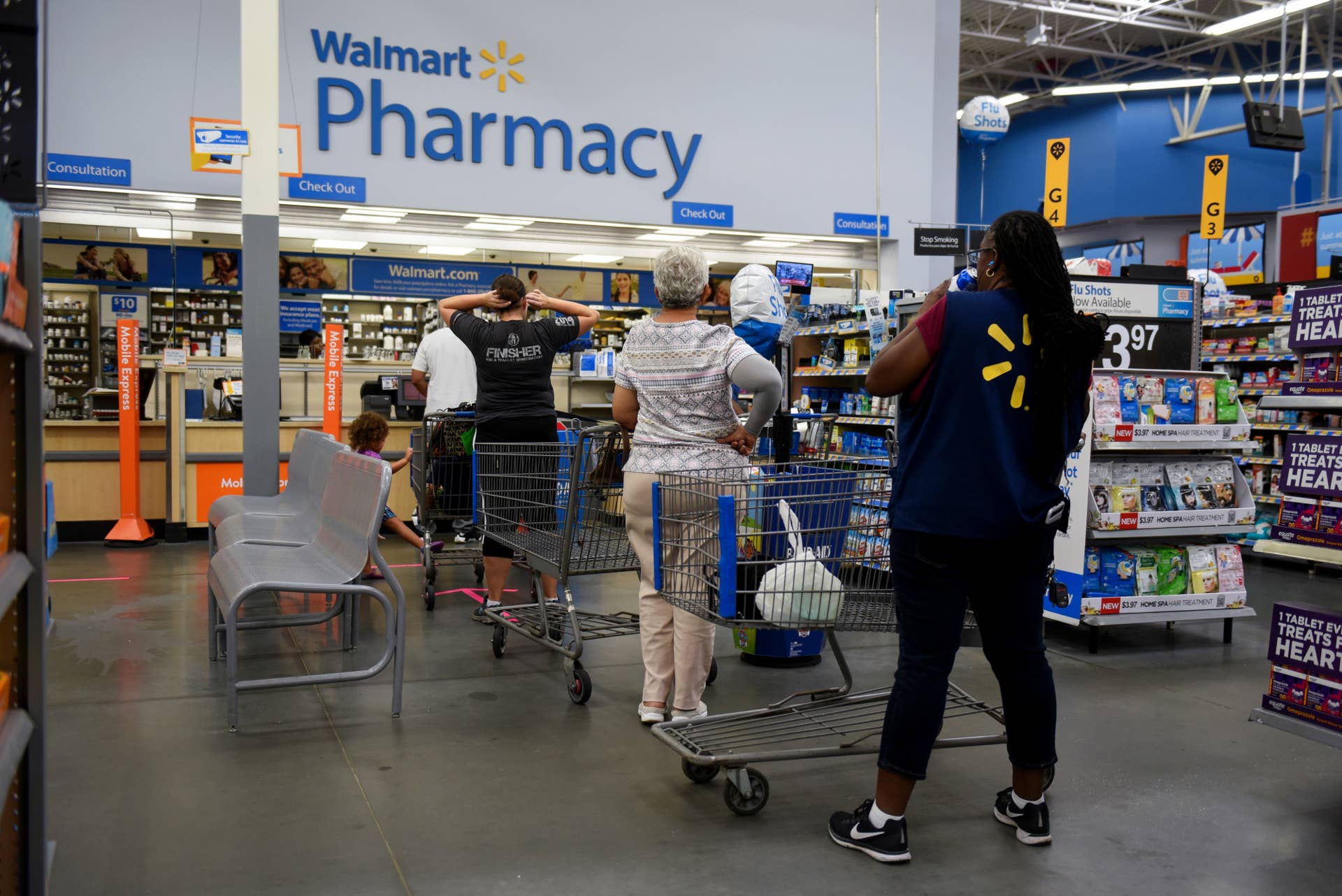
Walmart is trying to solve a GLP-1 grocery problem
The health ambassador program isn’t Walmart’s first foray into GLP-1s and weight-management support.
Earlier this year, I covered the retailer’s announcement that it would add GLP-1 prescriptions to its Better Care Services platform. The decision made the weight-loss drugs easier to access and more affordable for millions of Americans.
More Walmart:
- How Walmart is quietly winning the battle for shoppers
- Target is taking on Walmart with a major grocery move
- Walmart found a new way to profit from every shopper
- Does Walmart pay dividends? Its yield and payouts explained
“More than 40% of U.S. adults live with obesity, according to the CDC, and many patients exploring treatment options face a fragmented process — coordinating provider visits, prescription access, lifestyle changes and insurance considerations across multiple sources,” the Walmart press release said.
“With a nationwide pharmacy footprint, Walmart provides access to a broad portfolio of GLP-1 medications with a prescription,” it continued. “Customers benefit from competitive pricing and convenient fulfillment options, including same-day delivery in as fast as an hour in many locations, offering one of the fastest and most convenient ways to get medications.”
That initiative largely focused on the pharmaceutical side of the GLP-1 equation.
The new health ambassador program, on the other hand, takes the strategy a step further, giving the retailer a way to connect the weight loss business with its massive grocery operation.
The disconnect has worried Walmart for quite some time.
In a 2023 interview with Bloomberg, CEO John Furner said the retailer had already begun to see the effect of weight-loss drugs on its grocery business.
“We definitely do see a slight change compared to the total population, we do see a slight pullback in overall basket,” Furner said. “Just less units, slightly less calories.”
Now, with trained pharmacists helping GLP-1 users navigate nutrition and healthier food choices, Walmart has a better way to stay connected to those customers as their grocery habits change.
The hope, presumably, is that the in-store counsel will translate into in-store grocery spend, allowing it to capture both pharmaceutical and grocery sales. The move would help protect its bottom line, even if grocery sales face continued pressure due to GLP-1 use.
Related: Dollar General has a plan to help customers find more deals
More on Walmart & its stock:
- History of Walmart: Company timeline & facts
- Is Walmart a good long-term investment? Its buy-and-hold prospects explained
- Walmart’s stock split history (& prospects) explained
- How many employees does Walmart have in 2026? Its workforce, locations & layoffs explained
- Where is Walmart’s headquarters? All about its Bentonville, Arkansas base