Ten years ago, most smartphone makers ran on the same handful of processors from Qualcomm or Samsung.
Apple broke that pattern by designing its own chips, and the shift reset who controlled profit and speed in mobile computing, they did the same with their computers.
The same fight over who owns the silicon has now reached the car that drives itself.
Waymo has spent years building its self-driving computers around chips from outside suppliers, leaning on graphics processors and accelerators from partners such as Nvidia and AMD to process what its cameras, radar, and lidar see.
That dependency made sense while the company focused on software. It also left Waymo with less control over cost, timing, and performance than a company running a fleet of paid robotaxis eventually wants.
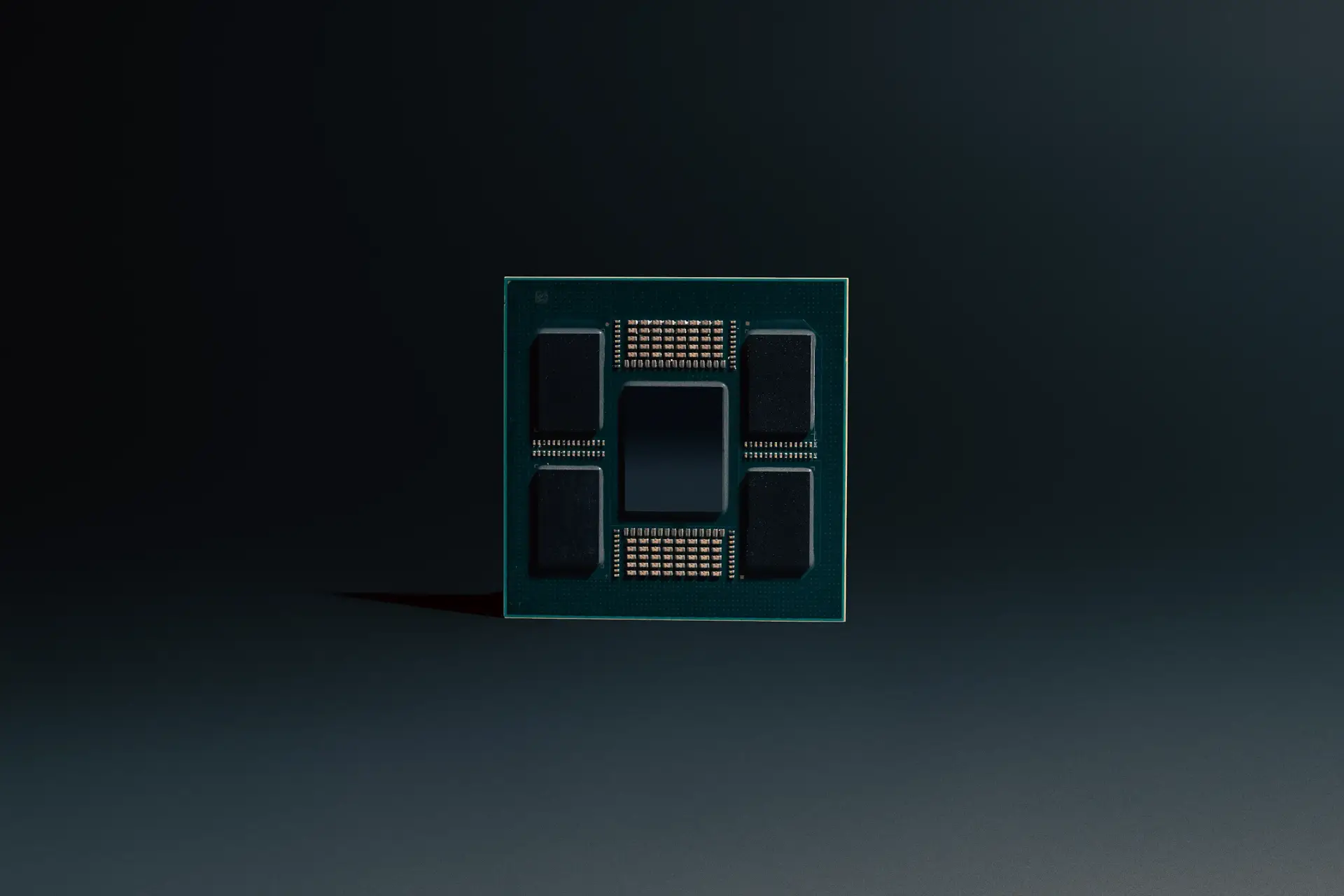
This week, Waymo said it has built its own custom processor for its cars, according to a company blog post. The chip is capable of more than 1,000 trillion operations per second, a performance level that puts it in line with Nvidia’s newest systems built specifically for autonomous driving, Bloomberg reported.
That kind of speed determines how quickly a robotaxi can process a pedestrian stepping into the street.
Waymo built its own chip without firing its chip suppliers
The new processor is manufactured by Taiwan Semiconductor Manufacturing (TSM) on a 5-nanometer process, a node that is no longer TSMC’s most advanced but remains standard among leading chipmakers. It handles the earliest, heaviest stage of sensor processing before Waymo’s main AI models take over.
Waymo did not replace its outside partners. It added itself to the list, continuing to work with Nvidia, AMD, Micron, Samsung, SanDisk, Socionext, and TSMC on the rest of the compute stack, according to the company.
Alphabet (GOOGL) shares slipped modestly Thursday, Aug. 20, in line with a broader pullback across mega-cap tech names, rather than as a direct reaction to the chip news.
Waymo gets more control over the piece of the system that matters most for reflexes, while still buying the general-purpose horsepower that would be slow and expensive to replicate in-house.
Tailoring this processor specifically to its hardware needs allows Waymo to reduce power consumption and cut per-vehicle hardware costs as it expands its robotaxi fleet.
Tesla tried the opposite bet, then had to walk part of it back
Tesla has spent years pursuing full vertical independence, building its own AI4 chip and the Dojo supercomputer meant to train it without outside help.
That effort collapsed in August 2025, when Tesla disbanded its entire Dojo team and its lead engineer left the company, according to Bloomberg. Musk said the company would instead put all of its resources into next-generation AI5 and AI6 chips.
Related: Buffett’s Berkshire is doubling down on Google
By January, Musk reversed course again and said Tesla would revive Dojo as Dojo3 once its AI5 design reached a stable point, according to TechCrunch. Tesla finished, or “taped out,” the AI5 design in April, but volume production is not expected until mid-2027, Electrek reported.
Building custom silicon from scratch takes years and can force painful reversals along the way, exactly the cost Waymo’s hybrid approach is designed to avoid.
Nvidia is answering the custom-chip trend by selling the whole platform
Nvidia is not standing still while automakers experiment with building their own chips. Instead of competing project by project, it has spent this year signing up an entire industry onto one standardized platform called DRIVE Hyperion, paired with its Alpamayo reasoning software.
Uber (UBER) agreed to launch a fleet of Nvidia-powered robotaxis across 28 cities by 2028, according to a joint press release. BYD, Geely, Hyundai, Nissan, and Isuzu have adopted the same platform for their own self-driving programs, CNBC reported.
More Automotive:
- Toyota doubles down on EVs while rivals retreat
- Mazda just made a big change under tariff pressure
- Key auto parts maker closes factory, lays off 325 workers
Nvidia’s pitch is standardization instead of independence. Automakers get a proven platform faster than they could build one alone, while Nvidia keeps its position as the default supplier for a market it does not have to build cars to win.
Waymo’s custom chip shows one operator choosing not to make that trade for the piece of the system it considers most critical.
Alphabet is placing the same bet twice in one week
Waymo’s chip was not Alphabet’s only move to control more of its own compute this week. A day earlier, Marvell Technology disclosed it had issued Google a warrant worth up to $12.2 billion in stock as part of an expanded deal to build custom chips supporting Google’s Tensor Processing Units, according to CNBC.
Both deals point toward the same goal: owning more of the silicon that determines how fast Alphabet’s AI products run and what they cost to operate.
The pattern extends well beyond one company’s cars or cloud servers. As AI shifts from something that runs in a data center to something that has to think in real time inside a moving vehicle or a warehouse robot, the businesses that control their own chips will set the pace for everyone still buying someone else’s. Waymo just showed which side of that line it wants to be on.
For investors, controlling custom silicon across both Google Cloud and Waymo helps insulate Alphabet’s profit margins against high pricing from external chip vendors.
Related: Automakers are quietly changing what’s in your engine