TheStreet aims to feature only the best products and services. If you buy something via one of our links, we may earn a commission.
There’s no denying that everything is getting more expensive, energy included. There are plenty of reasons behind these increases. Managing high electric bills has become almost a full-time job as of late. In fact, average retail rates for electricity have increased by over 5% since just last year.
This paradigm has led to an increased need for many to tighten their belts when it comes to everything from online shopping to electricity usage. We’ve all become so accustomed to relatively inexpensive energy that limiting your consumption doesn’t exactly come naturally. Fortunately, there are tools at your disposal for making energy conservation a bit easier. One of those techniques is to use an energy monitor throughout your home. Energy monitors are a relatively inexpensive way to keep an eye on your electricity usage and save a bit of money on your bill every month.
What is an energy monitor?
An energy monitor, in some ways, is the beating heart of a smart home. Energy monitors connect to your home’s central electricity panel and keep track of your usage 24 hours a day. One of the quickest ways an energy monitor can save you money is by determining if your home has any phantom power loss. Many electronics still drain power from your system when they’re in standby mode or even turned off. This is known as phantom energy loss. An energy monitor can find this extraneous power loss and help dictate what you should do to avoid it. It’s very often no more complicated than unplugging an item when it’s not in use.
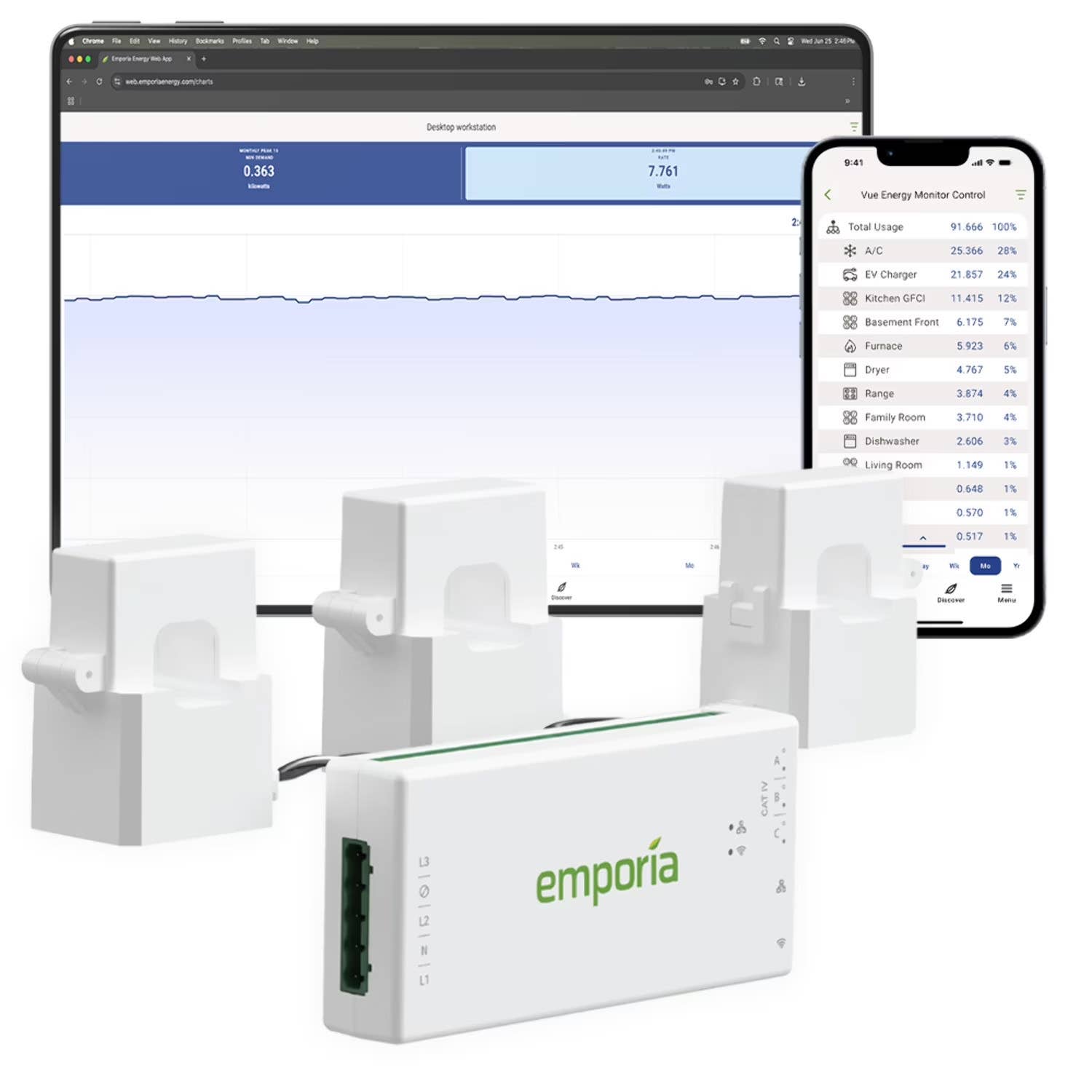
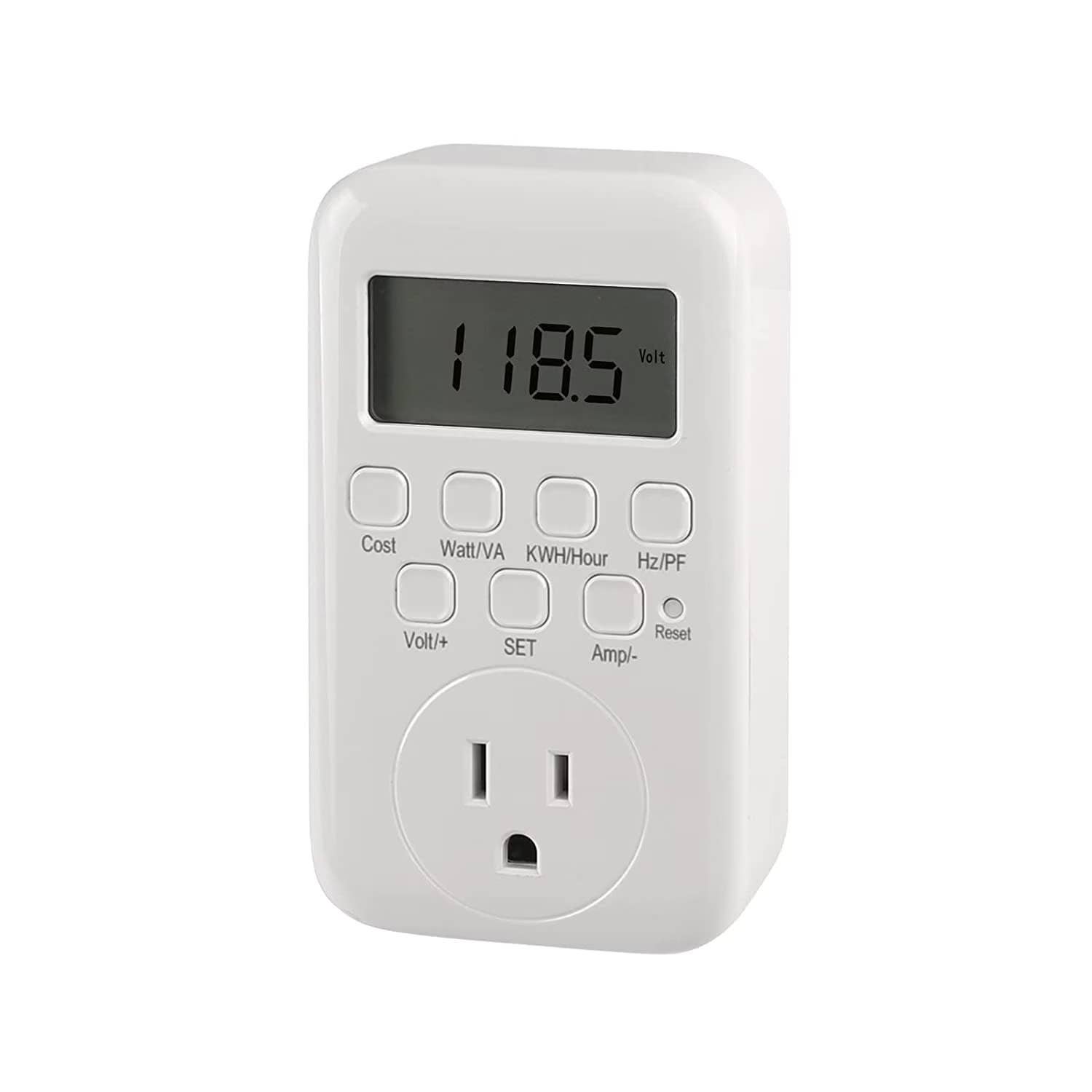
If using an energy monitor seems complicated or feels intimidating, fear not. It’s a relatively simple item to install, and once you’ve done so, using it is a breeze. Most energy monitors come with a proprietary app that you can install on your smartphone, tablet, or computer. The monitor sends real-time data to your app, allowing you to make changes on the fly. Homeowners should be able to save up to 10% on their monthly electric bills using a monitor. That can mean hundreds and sometimes thousands of dollars in savings over 12 months, depending on your current usage. There are also smaller “plug-and-play” models that simply plug into a wall outlet. These monitors are best for very small homes or apartments.
Energy monitors from Amazon
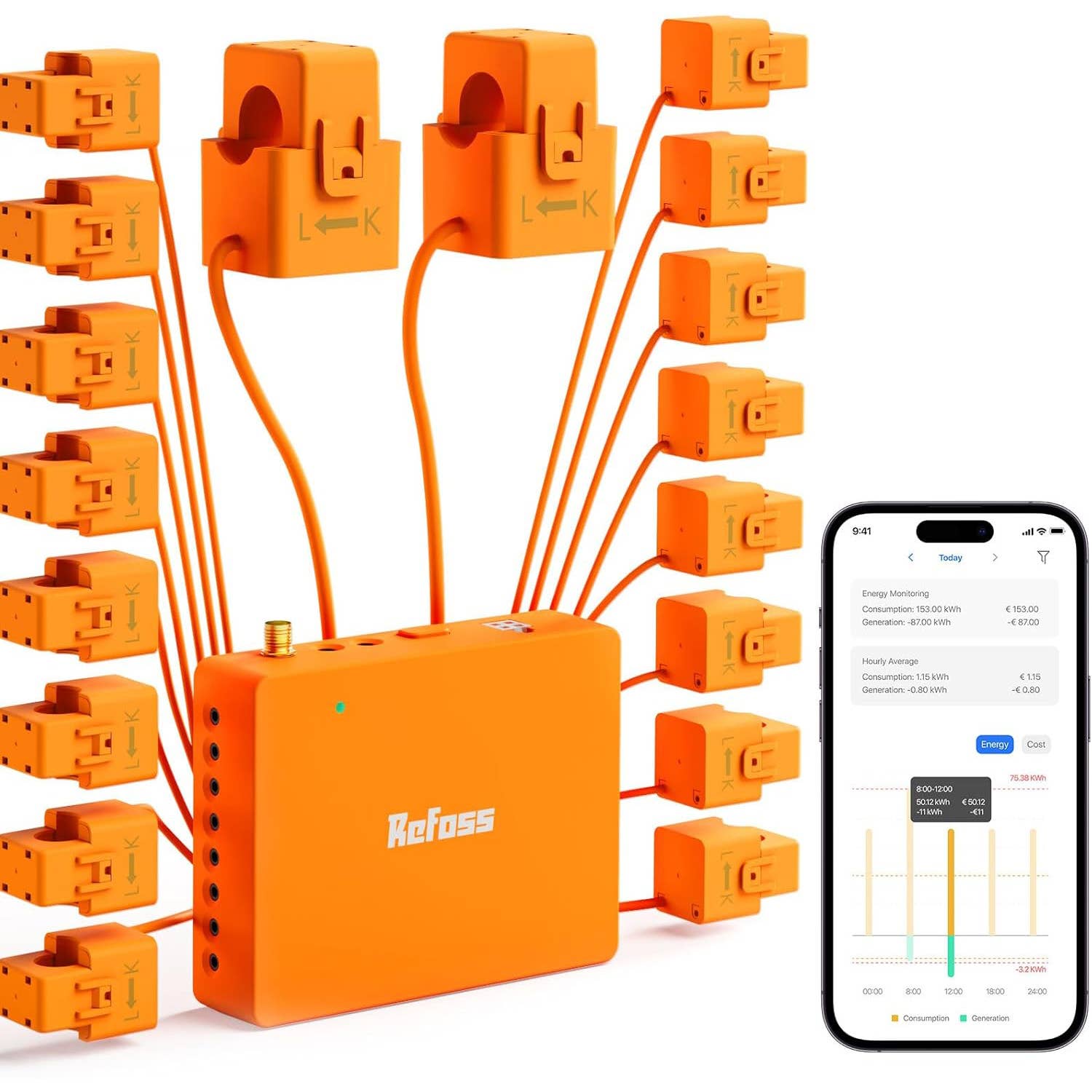
One of the best selections anywhere online for energy monitors is Amazon. The retail giant has a wide range of sizes and brands from which to choose. When deciding on a monitor from Amazon, be sure to consider the size of your home when choosing the specific model you wish to purchase. Larger homes with higher energy consumption may require monitors with a large number of sensors to manage the entire home. The Refoss Smart Home Energy Monitor is a great option for those with larger homes. It has enough sensors for a large home’s circuit board and can offer an extensive data set for maximum savings on your monthly electric bill.
Refoss Smart Home Energy Monitor
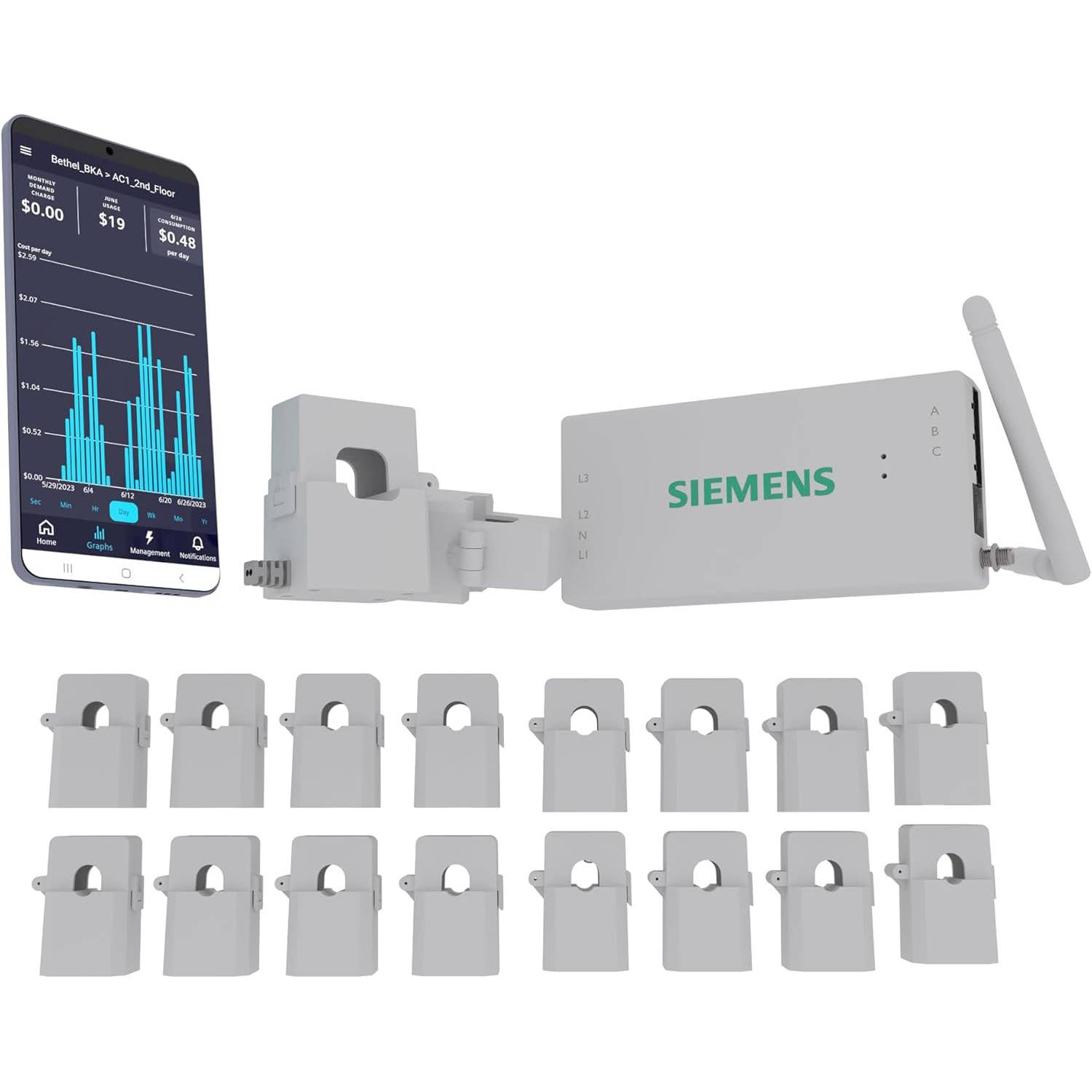
Siemens Inhab Smart Home Energy Monitor
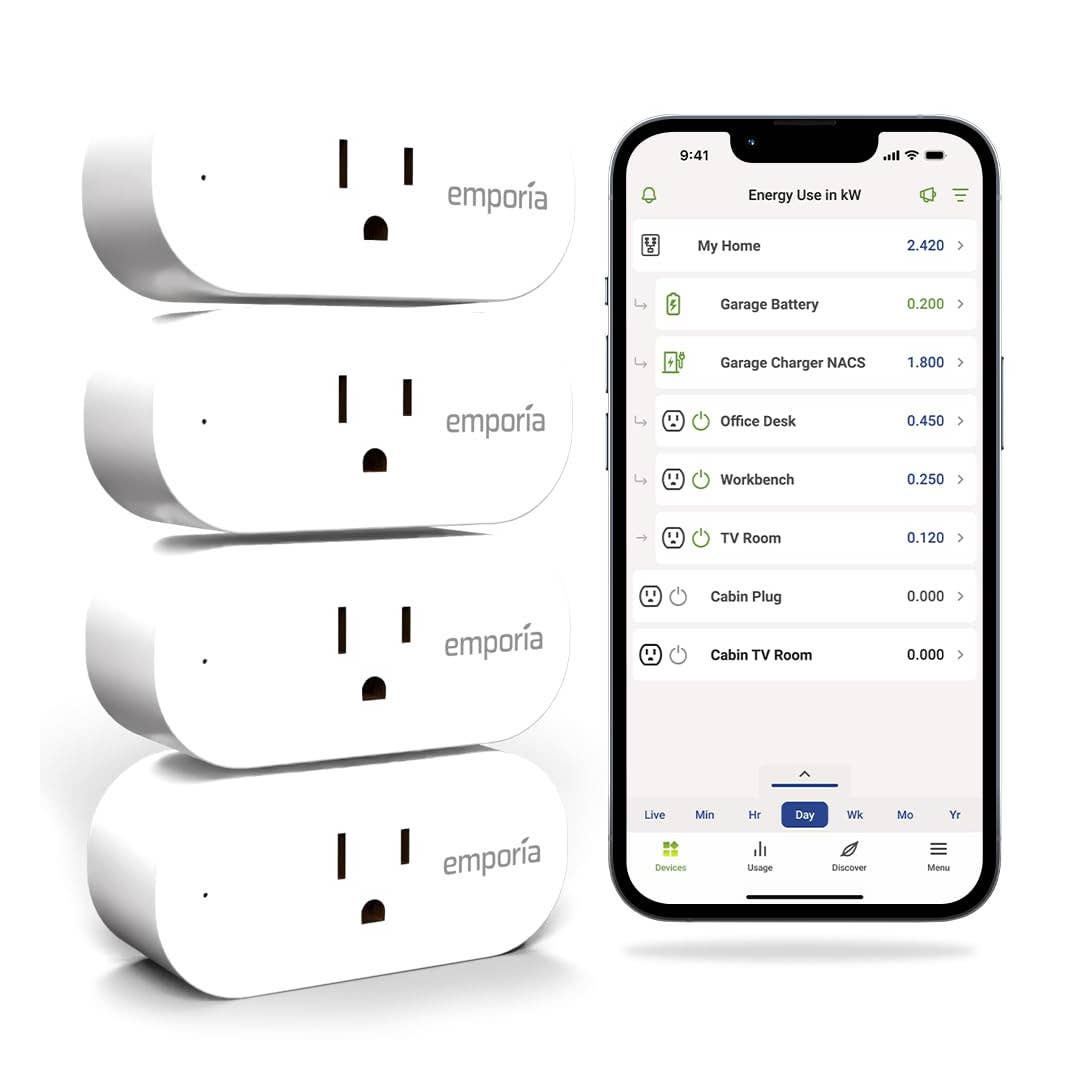
Emporia Energy Monitoring Smart Plug
Energy monitors from Walmart
Just like Amazon, Walmart has a great selection of energy monitors. In addition to making sure you pick an energy monitor that suits the size of your house or apartment, you also have to consider the configuration of your electrical system. For example, if your home runs on solar, then you need to be sure your energy monitor is equipped to manage readings from a solar-based system. While many do, this isn’t necessarily true for all of them. One that can function on both a traditional and a solar electrical system is the Xirurus WiFi Smart Energy Monitor. It delivers bidirectional readings, which means it can track both the energy coming in from the solar panel and going out to your outlets.
Xirusrus WiFi Smart Energy Monitor
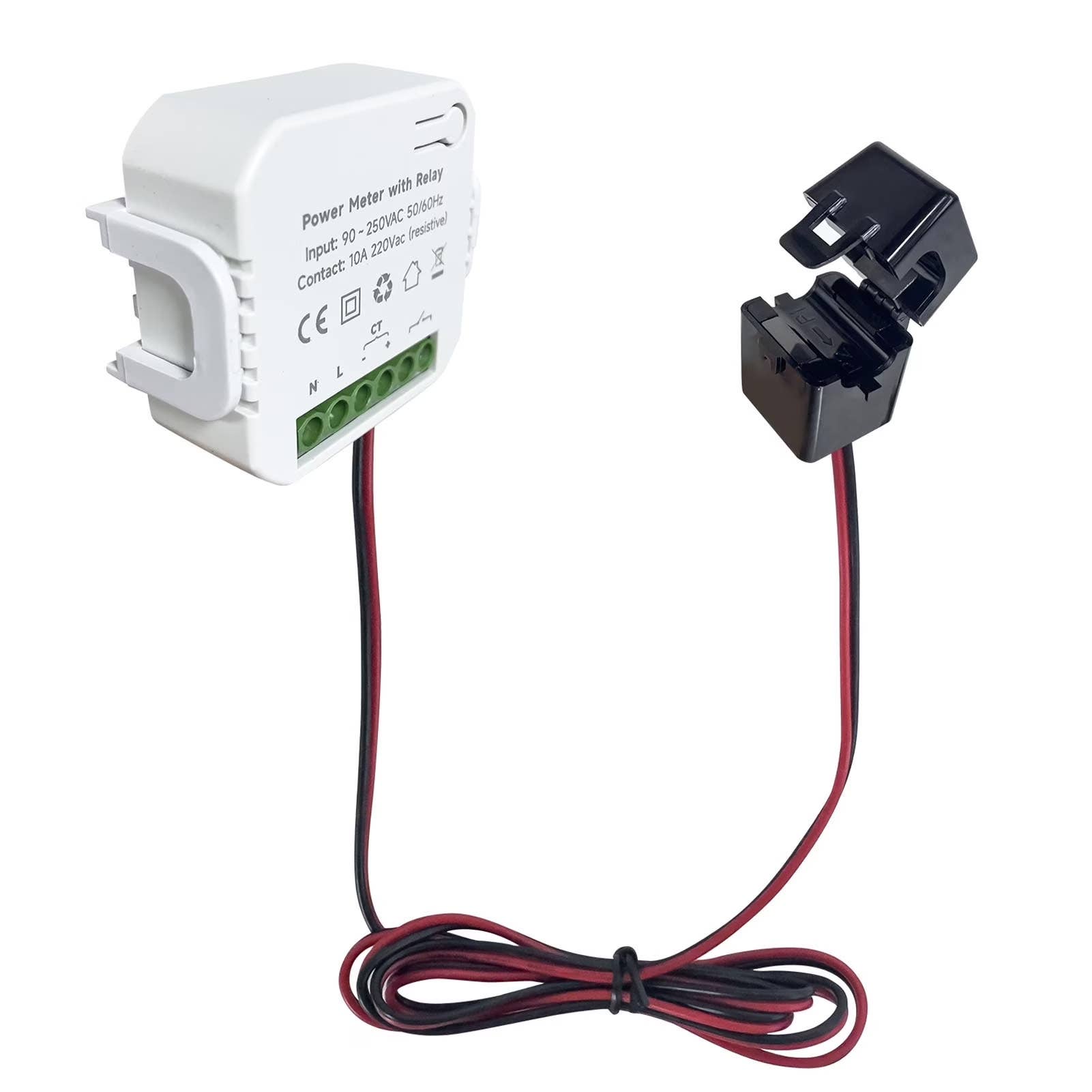
Emporia Vue 3-Phase Energy Monitor
Bn-link Plug-In Energy Monitor
Do I need an energy monitor?
The simple answer to this question is a resounding yes. No matter the size of your home and your corresponding electric bill, everyone can save a little money in their monthly budget. Most energy monitors are relatively affordable, they’re easy to install, and even easier to use. With all these benefits, it seems almost nonsensical not to own one. Even if you’re very particular about which retailers you prefer, there’s almost certainly an energy monitor that can check that box.
The ability to see, in real time, exactly how much power you’re using and where you could save is truly valuable. We use apps on our smartphones for shopping, listening to music, and even playing games. Why not finally use them to save some money every month? You’re sure to be shocked when you see how much electricity you’re wasting every single month, and how that results in money leaking out of your pockets.
No matter the size of your home, the setup of your electrical grid, or the devices you use, an energy monitor can save you money. Be sure to know all the details about what you need before actually purchasing, but once you have that info, buy sooner rather than later. Demand for these monitors is understandably increasing alongside energy prices. The sooner you get yours installed, the sooner you can start saving. Even your uncle Rodney can’t argue with that.
TheStreet Shopping is your guide for shopping insights and advice. We look beyond the price tag to find the best value in home, tech, and wellness gear based on product features and real-world use.