With the global wellness tourism market expected to reach a net worth of more than $2.4 trillion by 2035, an increasing number of travelers is seeking out new destinations in which to rejuvenate at different price points.
While the Nordic nation of Finland is associated globally with its sauna culture,, Scandinavian countries like Denmark and Norway also have long-standing traditions around everything from the sauna itself to urban baths and jumping into the harbor in the summer months.
The Danish capital of Copenhagen has four main harbor baths: the Islands Brygge Harbour Bath is, due to its large size and five separate pools, the most popular for families during the summer months. Fisketorvet and Havnebadet Sluseholmen also offer entry points for harbor swimming in different parts of the city while Sandkaj extends from the boardwalk in Nordhavn’s Århusgadekvarteret neighborhood that was redeveloped into one of the city’s most en vogue neighborhoods from a largely abandoned industrial zone over the last decade.
A trip to Copenhagen in the cards this summer? Here is where you should go swimming
For those unafraid of cold water, the harbor baths are accessible year-round but staffed by lifeguards only during the summer period of June to the last day of August. Swimming itself is free to all while some locations also have adjacent public and private saunas that one can access through a day pass.
For a decidedly more upscale place to soak, Aire Ancient Baths in the city’s Carlsberg district were built into a building that once stored the malt for producing the iconic Danish beer. Since opening in August 2020, it has become one of the city’s most beloved luxury experiences.
Related: I got a look inside the most iconic spa hotel in Paris
The spa’s subterranean location plays into a concept inspired by the even more ancient baths of the Roman Empire. Pools of different temperatures have names like Flotarium for the salt water floating area and Frigidarium for the cold plunge. Some particularly thematic spa treatments include the private wine bath for two and the “they couldn’t not do it” beer soak.
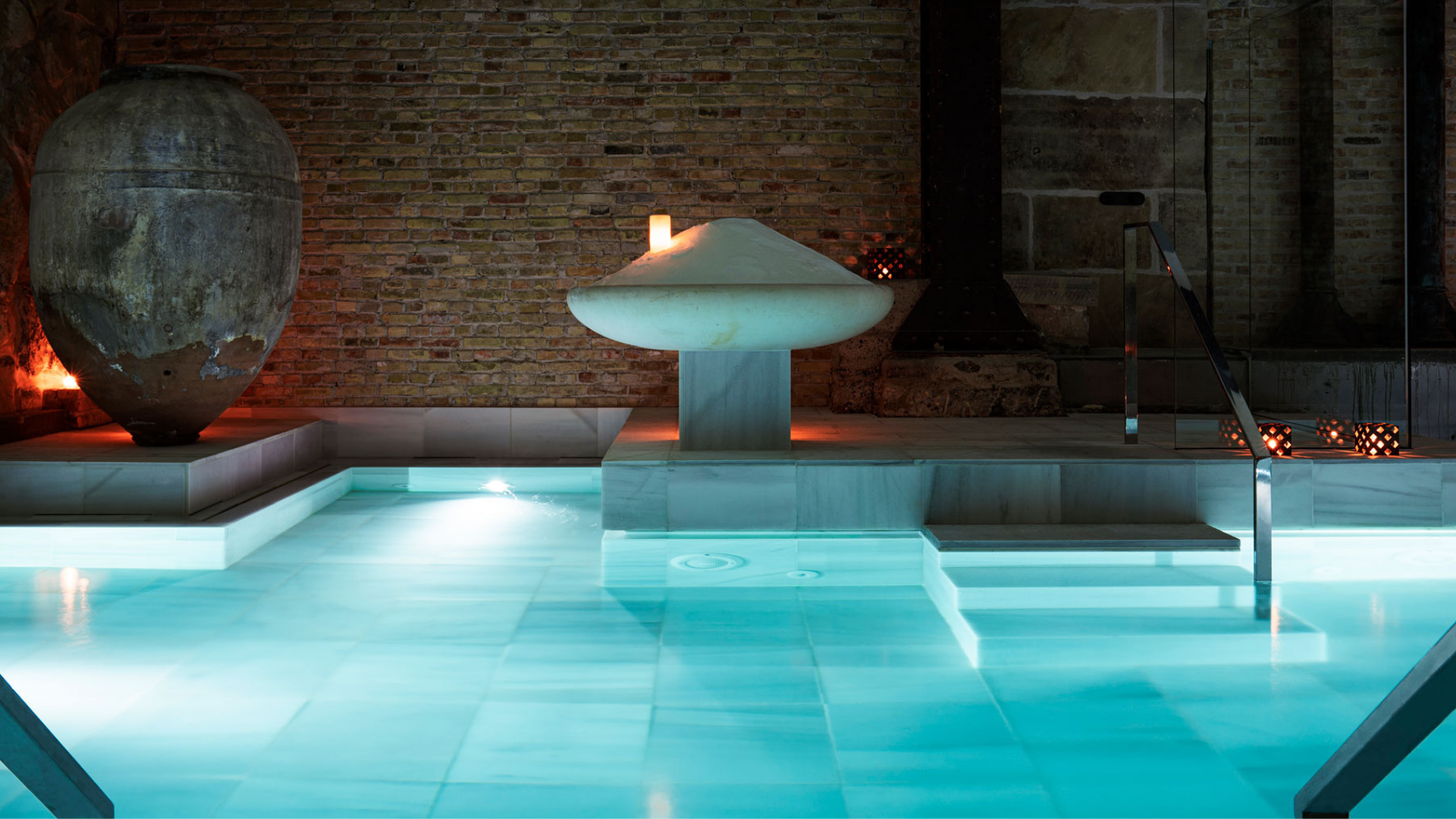
Aire Ancient Baths Copenhagen
Where, when and how to do the floating saunas of Oslo
While a standalone trip to Denmark is never a bad idea, Copenhagen is accessible through the SAS stopover program that allows travelers taking the joint national airline of Denmark, Sweden and Norway between North America and Europe (travelers flying in the other direction from Japan are also eligible) to change their ticket free of charge to also have 72 hours in one of the three capital cities.
Despite a centuries-old sauna culture in Norway, the floating saunas at different locations along the Oslofjord harbor have grown into one of the city’s most popular phenomena just over the last half-decade. Companies like Kok and Floating Oslo offer the traditional wood-fired sauna that, through a location along the dock, offer a sharp contrast for jumping into the harbor water.
More Travel News:
- Airline to launch unusual new flight to Cayman Islands from the U.S.
- What you can expect at Disneyland’s new ‘World of Frozen’
- Unexpected country is most luxurious travel destination for 2026
- U.S. government issues strange warning on Ireland travel
Different locations also offer different views onto city sights like the National Opera and Aker Brygge waterfront neighborhood while Kok also has a floating journey option that goes deeper into the fjord as guests move from sun-bathing on the deck to going between the saunas.
For those who want to keep the spa experience at its most economical, the shared sauna can also be a great way to chat with some locals while getting toasty inside the wooden structure periodically attended to by a firekeeper. The experience is also available year-round although those who come to Oslo in the winter may choose to stay in the sauna as they find themselves hesitant to jump into the frigid waters.
Those going on to experience more of of Norway will also find that floating saunas have started popping up in other Norwegian cities such as Bergen and Tromsø as well as more remote areas like the Lofoten archipelago.
Related: A remote part of Norway is becoming a key summer travel destination