Every platform eventually learns that the number it shows the public and the number it pays on do not have to be the same number.
Keeping those two apart is rarely an accident. It is a design choice, and it tends to get made quietly.
For most of the last two decades, a view on the internet’s biggest video platform meant something roughly intuitive. Somebody clicked, and they stayed long enough that the click read as attention rather than a misfire.
Creators built rate cards on that number. Brands wrote checks against it. Agencies priced campaigns down to the dollar using it.
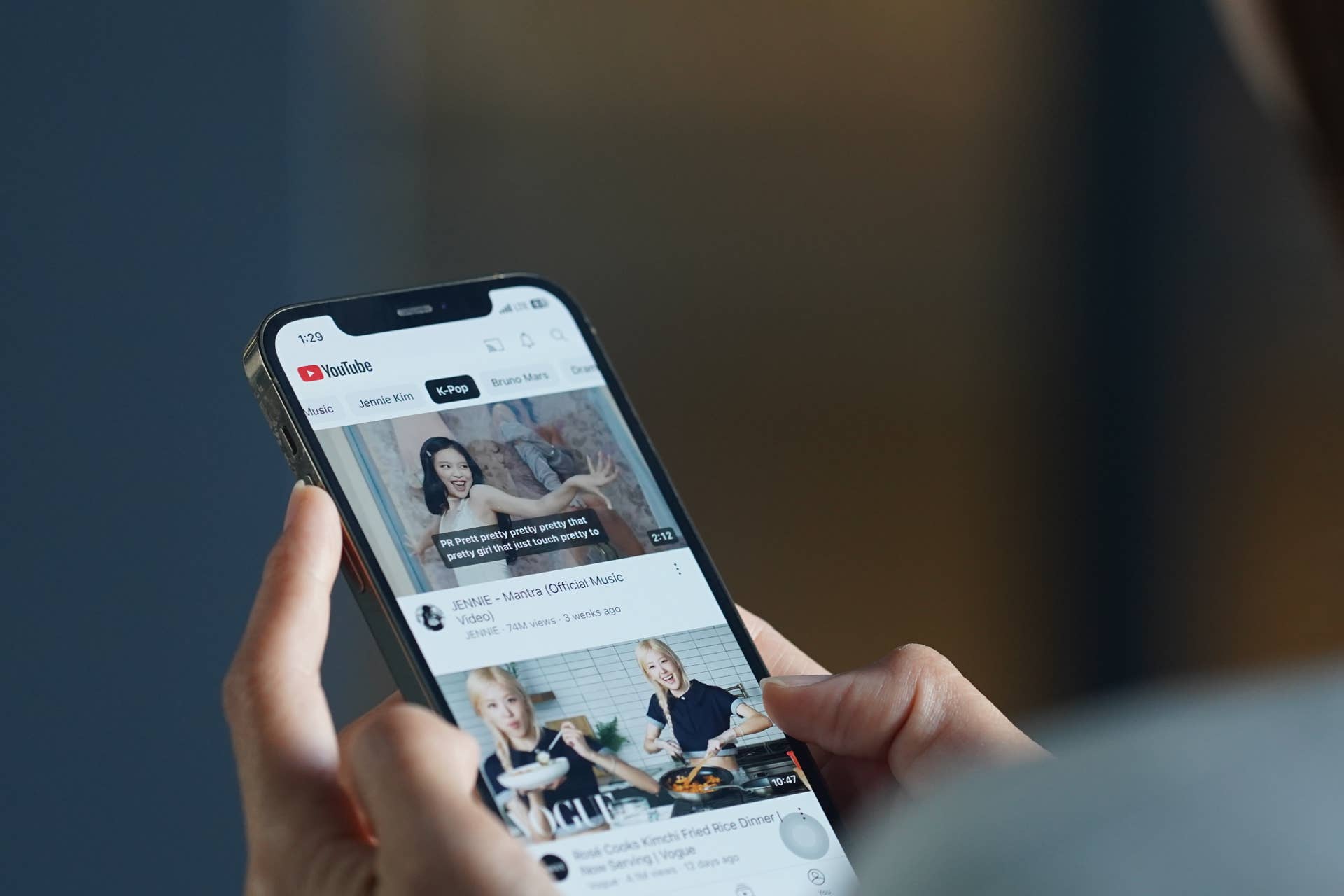
Almost nobody asked what the actual threshold was, partly because it never appeared on the pages creators read. It sat in advertiser documentation, where an organic view registered after ten seconds of playback, according to PPC Land.
That fuzziness held up fine while the number moved slowly and everyone treated it as a rough proxy for attention.
It stops holding up on Aug. 24.
That is the day YouTube begins counting a public view from the first frame of playback, with no minimum watch time, across every format it runs.
How YouTube used to count a view
YouTube belongs to Alphabet (GOOGL), which does not report it as a standalone segment but does break out its advertising line. YouTube ad revenue reached $11.06 billion in the second quarter, up 13% from a year earlier, according to CNBC.
That business runs on advertiser confidence in what a view represents, which is exactly what makes the definition worth watching.
More Streaming:
- Disney may give streaming away for a surprisingly profitable reason
- NFL junkies forced to pay big bucks to watch 2026 games
- Down 42%, is Netflix stock undervalued or a value trap?
The two-system problem started with short-form video. YouTube moved Shorts to play-based counting on March 31, 2025, logging a view every time a Short started or replayed, according to TechCrunch.
Long-form video and live streams stayed on the older, stricter measure. A creator posting both formats was reading two numbers built from different rules and calling them the same thing.
The scale involved is what turns a definition change into a business story. More than three million creators now sit inside the Partner Program, according to the YouTube blog.
Related: Netflix joins Disney and YouTube in chasing World Cup
Those channels split ad revenue with the platform, which means every metric YouTube publishes eventually settles somebody’s invoice.
It is also why the platform has spent years tightening the rules around what creators can post, and why a quiet change to a definition lands harder than it reads.
What changes for YouTube views on Aug. 24
Beginning Aug. 24, “a view will be counted the moment a video begins to play,” according to the announcement posted to YouTube’s community forum. The standard applies globally to on-demand video, Shorts and live streams at once.
The older measure survives under a new name. It becomes Engaged views inside YouTube Analytics under Advanced Mode, showing how many viewers stayed past the opening seconds.
YouTube framed the change as a fix for its own inconsistency, saying creators had asked it to clear up the confusion between formats. The company also said the new metric will show up everywhere views are displayed.
Nothing gets recalculated backward. Videos uploaded on or after Aug. 24 use the new counter immediately, while existing videos keep the totals they already have, leaving an unmarked seam in every channel’s history.
The recent sequence matters more than any single date:
- March 31, 2025: Shorts switch to counting every play and replay, aligning YouTube with TikTok and Instagram Reels, according to TechCrunch.
- Aug. 10, 2026: YouTube announces that Partner Program entry thresholds will double, calling them “the first significant changes since 2018,” according to the YouTube blog.
- Aug. 17, 2026: The view-counting change is posted to the community forum and the Creator Insider channel, reported Dexerto.
- Aug. 24, 2026: First-frame counting takes effect across all formats, according to YouTube.
- Feb. 1, 2027: The doubled Partner Program thresholds take effect, according to the YouTube blog.
Why the YouTube view count and creator pay now diverge
When I lined those two announcements up by date, the gap was eight days.
On Aug. 10, YouTube made the number that pays harder to reach. On Aug. 17, it made the number that does not pay easier to inflate.
New applicants will need 1,000 subscribers plus either 8,000 qualified watch hours over 365 days or 20 million qualified Shorts views over 90 days, double the current bar, according to the YouTube blog. Existing partners keep their status.
My own arithmetic on those thresholds is the part worth sitting with. Eight thousand watch hours works out to roughly 22 hours of combined daily watch time, every day, for a year. Twenty million Shorts views in 90 days averages about 222,000 qualified views a day.
Meanwhile the public counter under every video is about to climb faster for reasons that have nothing to do with whether anyone watched.
YouTube has been direct that earnings are unaffected, with creator pay still calculated from engaged Shorts views and engaged watch hours. The entry requirements simply get renamed to qualified Shorts views and qualified watch hours.
Both statements are true at once, which is the whole story. A counting rule with no minimum duration is, as PPC Land put it, “an impression count wearing the word view.”
What YouTube creators should check before February
For anyone selling sponsorships, the practical risk arrives before the opportunity does.
Public view counts become a weaker negotiating tool the moment every channel’s numbers rise together. A sponsor who indexed on raw views in July has every reason to ask for engaged views in September.
The creators who move first will be the ones who start quoting engaged views voluntarily, before a brand manager asks why the headline number jumped.
That shift is already visible elsewhere in media, where publishers have watched platform metrics reprice their work without warning and pushed back on who controls the economics.
For anyone still outside the Partner Program, the calendar is the more urgent document. The current thresholds remain in force until Feb. 1, 2027, which makes the next five months the cheapest window to qualify that will exist for a long time.
And for Alphabet shareholders, the read is quieter but not trivial. A platform that standardizes its public metric while tightening its payout gate is optimizing for advertiser legibility and creator supply at the same time.
Bigger public numbers make YouTube easier to sell against rival platforms that already count plays. Higher entry thresholds concentrate the payout pool among channels that clear a much higher bar.
Neither move costs Alphabet anything in the quarter it announces them. Both show up later, in what advertisers are willing to pay and in who is still uploading in 2028.
The number on the screen is about to get bigger. Whether it gets more useful is a separate question, and YouTube has already answered it by keeping a second number for itself.
Related: Google’s CEO just dropped a wild new YouTube number