Tourists faced some major headaches with the nationwide aviation shutdown on June 1.
In total, FlightAware reported 3,260 delays and 110 cancellations across the United States on June 1.
Thousands of travelers were delayed in the airport terminals, trying to rebook flights, waiting in customer service lines and wondering whether they were going to make it to their destinations on time.
The outage ended up impacting more than 3,300 airplanes across the United States, including flights operated by major carriers such as American Airlines (AAL), Delta Air Lines (DAL) and United Airlines (UAL), AirHelp reported, citing flight-tracking data. Delays and cancellations have had ripple effects across airline networks, straining several of the nation’s largest hubs, including Dallas-Fort Worth International Airport and Hartsfield-Jackson Atlanta International Airport.
For travelers, it was a frustrating setback.
For airlines, the real challenge may just be beginning.
The aviation sector is entering one of its biggest revenue-making times of the year as demand for summer travel starts to pick up. At the same time, passengers are more aware of their right to reimbursement, consumer safeguards and recompense when things go wrong.
That combination might create a costly issue for airlines that extends well beyond a single day of operational interruptions.
Investors should do likewise.
While airline stocks themselves are rarely affected by disruptions, customer-service costs, compensation liabilities and harm to reputation might impact consumers’ choice of flights during the industry’s most profitable months.
American Airlines and rivals need a smooth summer travel season
Summer travel continues to be a key time on the calendar for airlines.
Strong demand helps carriers to fill seats, boost pricing power and create revenue that supports earnings throughout the year. Summer travel trends are watched attentively by investors, as they can influence guidance, profitability and customer sentiment.
This makes operational reliability very crucial.
Delta Air Lines had the most cancellations, and American Airlines had the most delays overall of any major carrier during the disruption. United Airlines and a few regional carriers also had big delays as the disturbance spread through the network.
The event comes as airlines are still trying to balance rising labor costs, the cost of aircraft maintenance and fierce competition for travelers.
Operational problems increase strain, too, as consumer frustration often lasts beyond the day of the occurrence.
Travelers with long delays may think twice about booking again especially if other companies have similar pricing and routes.
Related: China is about to overtake the US as a top travel destination
And airlines spend a lot on loyalty programs and premium experiences because sometimes it’s cheaper to keep travelers than to get new ones. Those efforts risk being undermined by big disruptions if passengers feel the airlines aren’t meeting their expectations.
The timing is particularly key as airlines are betting on robust summer demand to offset cost concerns elsewhere in their operations.
More Travel:
- Disney World reveals troubling 2027 price hikes
- United Airlines quietly cuts free perk
- Popular tourist destination adds ban impacting Americans
Passengers are reporting more delays, hoarding receipts and asking for compensation for expenses incurred due to the disruptions.
That pattern suggests airlines will need to invest more in customer-service operations and claims processing in the coming weeks.
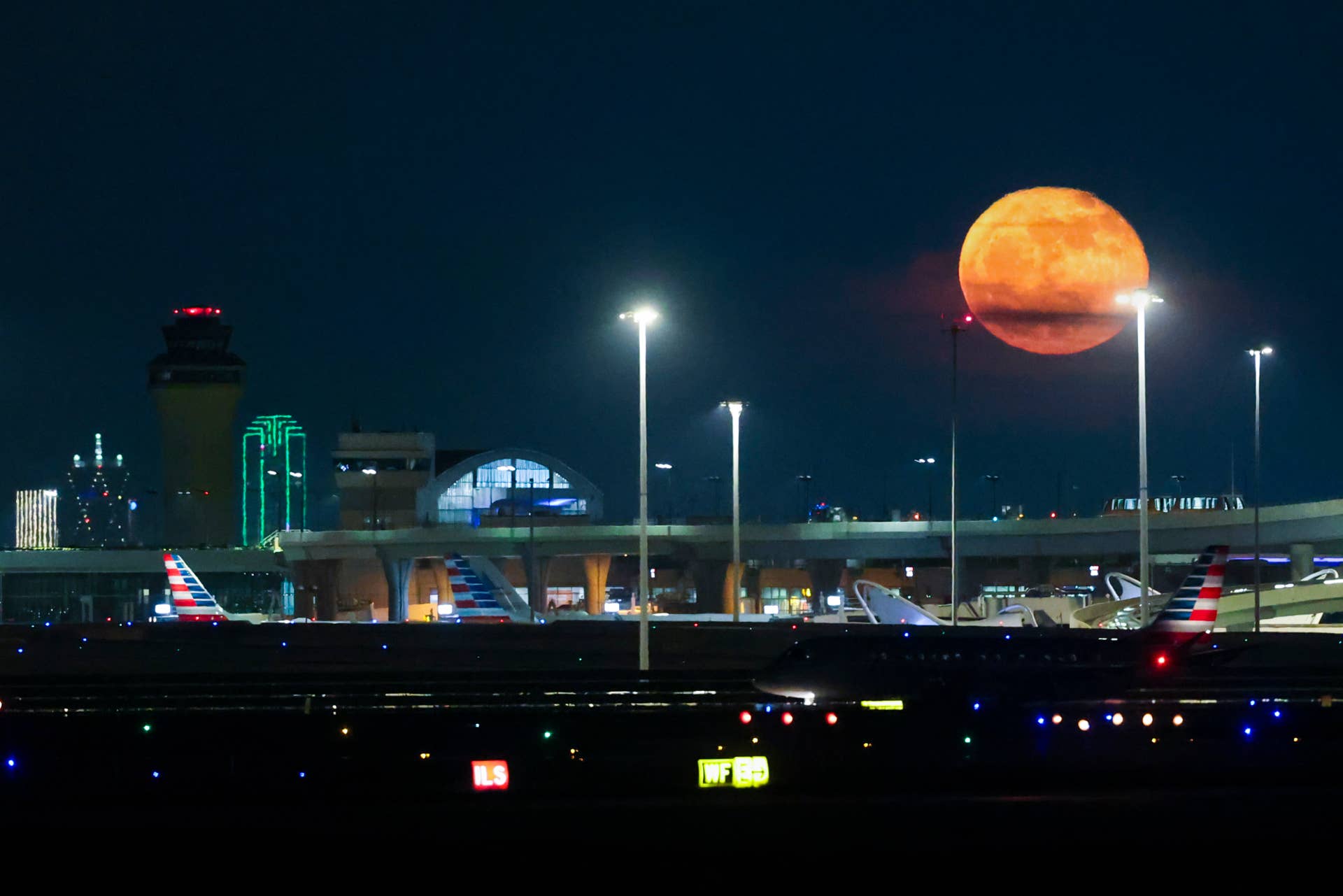
The Dallas Morning News/Hearst Newspapers / Getty Images
Why the compensation fight may matter more than the delays
The disturbance itself was one day.
The fight over compensation could go on for much longer.
But operational problems tend to raise more concerns of responsibility than weather-related disruptions. When a disruption seems to be tied to scheduling, personnel or other airline operational issues, travelers often are more apt to question the airline’s answers.
This has led to a growing number of people affected being asked to keep paperwork relating to their travel.
That means boarding cards, receipts, re-booking confirmations and records of real arrival timings.
Compensation eligibility is based on individual circumstances and applicable legislation, although there has been a substantial growth in knowledge of passenger rights in recent years.
The upshot is a better informed traveler, more likely to question refused claims and ask for compensation.
That’s another level of complexity for airlines.
Customer-service professionals must deal with complaints, review requests and answer passenger problems while at the same time restoring normal operations.
Claims from individuals may have little financial implication.
The reputational damage of thousands of unhappy travelers is considerably difficult to evaluate.
Key takeaways from the nationwide aviation meltdown
- More than 3,300 flights across the U.S. were affected.
- American Airlines was the top performer among the big airlines in total delays.
- Cancellations were highest with Delta Air Lines.
- Major hubs including Dallas, Atlanta and Denver were badly disrupted.
- Awareness of passenger rights continues to grow.
- Airlines could face higher reimbursement and customer-service costs.
The aviation system will bounce back from the disturbance.
But a more crucial question is, can airlines rapidly restore traveler faith?
Often investors look at fuel prices, ticket demand and quarterly profits.
This reminds us, events like this, of how operational execution is still one of the most critical competitive advantages in the market.
Customer trust still counts, but robust demand can help revenue growth.
It started as a travel story, the nationwide airline catastrophe.
Its long-term relevance may ultimately rely on whether it turns into a bigger compensation and customer-loyalty dilemma for airlines as they move into the busiest travel season of the year.
Related: New ban could blacklist travelers across multiple airlines