Tim Cook has led Apple since 2011, guided it from a $350 billion company to one worth more than $3 trillion, and built one of the most profitable businesses in corporate history.
He will step down as CEO on Sept. 1, handing the role to John Ternus, Apple’s senior vice president of hardware engineering, according to AppleInsider.
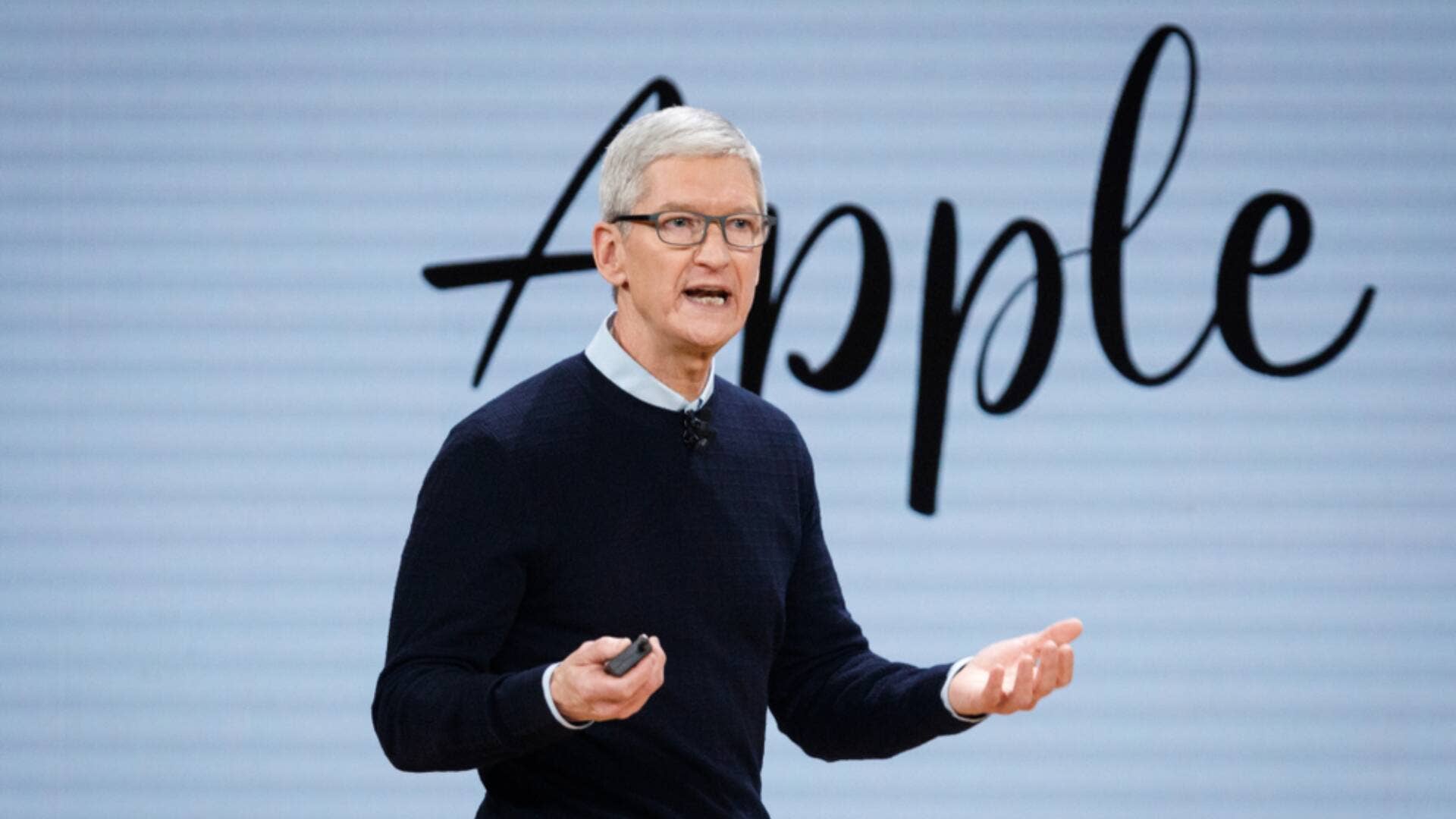
That means WWDC 2026, which opens June 8, is Tim Cook’s final major keynote as CEO. And the subject at the center of it is one that has defined the most pressure-filled stretch of his tenure: artificial intelligence.
Cook’s final WWDC keynote is most consequential of his tenure
A series of internal meetings at Apple helped convince company leadership that it needed to move more aggressively on AI, after concerns grew internally that the iPhone maker was falling behind OpenAI, Google, Anthropic, and Meta, Bloomberg‘s Mark Gurman reported. Those discussions contributed to the broader AI strategy shift that is now arriving publicly at WWDC.
The centerpiece is a rebuilt Siri running on Google’s Gemini AI models, with a dedicated app, multi-step command support, and Dynamic Island integration. Bloomberg reports iOS 27 is being positioned internally as Apple’s “Snow Leopard” moment, a reference to the 2009 Mac OS X release that focused entirely on under-the-hood performance rather than new features, AppleInsider noted.
The implication is that iOS 27 is preparing Apple’s software stack for everything that comes next, including a foldable iPhone expected as early as this fall.
What John Ternus inherits and why AI defines the Apple handoff
Ternus, who shepherded Apple’s transition to its own silicon chips and the M-series processor line, will take over a company where Wall Street‘s primary concern is no longer hardware design.
It is whether Apple can establish a credible AI platform before the window for competitive positioning closes.
More Tech Stocks:
- Morgan Stanley sets jaw-dropping Micron price target after event
- Nvidia’s China chip problem isn’t what most investors think
- Quantum Computing makes $110 million move nobody saw coming
Dan Ives, Managing Director at Wedbush Securities, framed the transition directly in a research notes, as reported by CNN. “Cook leaves a lasting legacy in Cupertino and there will be a lot of pressure on Ternus to produce success out of the gates, especially on the AI front.”
Bloomberg framed the board’s decision to install Ternus over Craig Federighi as reflecting an internal view that Apple’s next decade will be defined by hardware-software co-design, particularly around AI accelerators and on-device processing, according to Tech Insider.
Apple also made three additional executive moves alongside the leadership announcement. Johny Srouji was promoted to a newly created Chief Hardware Officer role, consolidating Apple silicon and hardware architecture under one leader.
Mike Rockwell, who moved from leading Apple Vision Pro to heading Apple’s AI team in April 2025, will be one of the most visible faces of the AI effort under Ternus.
Key context on Tim Cook’s tenure, the Apple succession, and what Ternus inherits:
- Cook’s September 1 departure will make him one of the longest-serving CEOs in Silicon Valley history at 15 years. Apple’s market capitalization grew from approximately $350 billion when he took over in 2011 to more than $3 trillion, a gain that ranks among the largest value creations in corporate history, according to AppleInsider.
- Ternus is the first Apple CEO to come from a pure hardware background since Steve Jobs. His predecessor candidates included Craig Federighi, Apple’s software chief, but the board’s decision to pick Ternus signals a view that the next decade of Apple competition will be won or lost at the hardware-AI intersection, not the software layer, Tech Insider reported.
- Apple’s foldable iPhone is expected to launch as early as fall 2026, meaning Ternus could unveil his first major new product category within weeks of taking the CEO role. The foldable launch would represent Apple’s most significant hardware departure since the original iPhone, AppleInsider confirmed.
- Apple Vision Pro, which Mike Rockwell led before moving to the AI team, is not expected to receive new hardware until 2028 according to Bloomberg. That timeline leaves spatial computing as unfinished business from the Cook era that Ternus will need to navigate alongside the AI and foldable priorities.
- Cook’s internal AI wake-up call came from a specific meeting Bloomberg describes in its June 7 newsletter. The discussion convinced leadership that Apple’s measured approach to generative AI was no longer adequate given the pace of advancement at OpenAI, Google, and Anthropic. This led directly to the Siri rebuilding effort that will be unveiled at WWDC, Bloomberg noted.
What Tim Cook’s AI legacy will look like when the dust settles
Cook’s legacy at Apple is already secured by the numbers. Apple’s stock increased roughly 1,800% during his tenure. He built services into a $31 billion quarterly business.
He launched the Apple Watch, AirPods, and Apple Silicon. Those contributions are not in question.
The open question is the one that WWDC is designed to begin answering. If the rebuilt Siri lands well with developers and consumers, Cook will be remembered as the CEO who recognized the AI inflection point and handed Ternus a platform ready for the next decade.
Cook still has one keynote left to show which version of that story is true. For investors watching Apple stock, it is the beginning of the end of a 14-year era and the first public test of whether the company he built is ready for the one that comes next.