A popular sports bar and grill chain has abruptly closed four restaurants, cutting its footprint by 20%, less than two years after a new owner acquired the brand.
The closures come as restaurant chains across the country continue to deal with severe challenges stemming from rising food and labor costs, shifting consumer habits, and aggressive competition for diners.
Full-service restaurants are feeling more pressure as they rely heavily on front-of-house staffing, table service, and bar staff. Moreover, full-service restaurants earn 3%-5% net, versus 6%-9% for fast-casual concepts and quick-service restaurants, on a scale where net margin above 6% is considered strong, according to data from Bloom Intelligence.
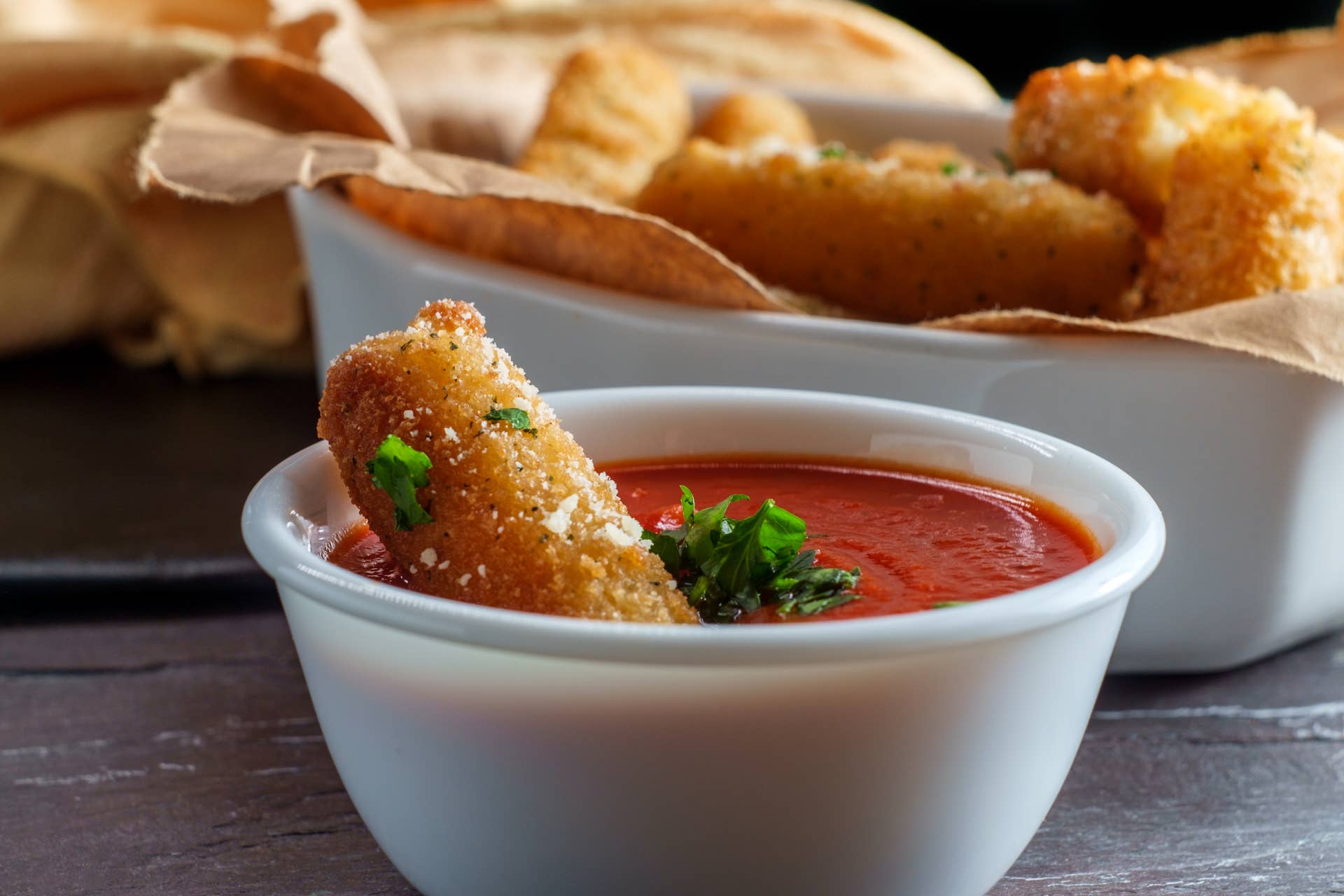
Founded in 1997 in Hickory, North Carolina, Hickory Tavern is a sports bar and grill family restaurant chain popular for its saucy wings, flatbreads, loaded nachos, and mozzarella sticks. Aside from food, the bar was often seen as a popular neighborhood gathering place.
Hickory Tavern suddenly shuts 4 restaurant locations for good
Hickory Tavern abruptly closed four locations, leaving the chain with 16 remaining across the Carolinas, reported FSR Magazine.
The affected locations include:
- Mooresville, NC: 115 Morrison Plantation Pkwy, Mooresville, NC 28117
- Huntersville, NC: 9526 Birkdale Crossing Dr, Suite 30, Huntersville, NC 28078
- Providence Road (Charlotte, NC): 11504 Providence Rd, Suite N, Charlotte, NC 28277
- Columbia Vista (Columbia, SC): 907 Senate St, Columbia, SC 29201
Related: 125-year-old mall retail anchor closes discount outlet, cuts 101 jobs
Its parent company, Artistry Restaurants, now remains with 16 Hickory Tavern locations, including 11 locations in North Carolina and five in South Carolina. Artistry’s portfolio also includes Oak & Stone, Shrimp Basket, Boca, Atlantic Beer & Oyster, Sandbar Amelia Island, and The Chapman.
Loyal customers at these closed locations have several alternatives under the current footprint. The company itself suggested they visit Hickory Tavern nearby locations in Harris, Ballantyne, Sun Valley, North Carolina, and Columbia-Woodhill, South Carolina.
Closures as a means to better direct resources and strengthen the brand
Artistry explained that the reason for closures stems from the need to better direct their resources and the proximity to other Hickory Tavern restaurants played a role in the decision which locations to close.
“While never an easy decision, it is important that we regularly evaluate where we can operate more efficiently so our resources and future investments are directed toward the priorities that will best serve our teams and guests,” Artistry Restaurants CEO Bryan Lockwood said in a statement.
“These changes, along with other efficiencies, will support Hickory Tavern’s long-term plan and strength as a brand,” Lockwood added.
Hickory Tavern got a new owner 19 months ago
Originally launched by Brad Smith and Tom Hager, Hickory Tavern grew from a single local gathering spot into a regional footprint that peaked at roughly 25 locations prior to 2020, according to Business North Carolina. Over the years, the chain positioned itself as more than a standard sports bar due to its menu offering and customer service.
In January 2025, Artistry acquired Hickory Tavern and started investing in the brand by employing various changes, from menu upgrades to restaurant redesigns. Moreover, the company introduced a new brand book of standards and practices and also teamed up with various companies, such as food distributor Sysco to streamline consistency across its footprint.
Those initiatives aimed to strengthen the brand and enhance the guest experience.
“Even though we’re slated as a sports bar, I think we’re bigger than that and the community feels that. That’s why we’ve always pitched ourselves as this neighborhood gathering spot,” Tony Read, the brand president with decades of experience in the industry (Outback Steakhouse) previously told FSR Magazine.
Read’s main focus is on enhancing the guest experience by improving the employee experience, stressing how the two are closely connected.
“I’m a firm believer that the guest experience will never exceed the team member’s experience,” Read continued. “You ever go to a drive-thru, and you get to the window — how long does it take you to recognize if that person wants to be there or not? Immediately. And what I tell my team is how foolish of us to think that our customers don’t have that same ability.”
The company said that they are looking into transferring as many employees as possible to other Hickory Tavern locations.
Sports bar, full-service restaurants battle several challenges
The restaurant industry in general has been facing many challenges over the last couple of years. For many, the fatal blow was the pandemic, others that survived remained severely challenged and a small number managed to fully recover and thrive.
In fact, nearly half (42%) of restaurant owners admitted their business was not profitable in 2025, and more than nine in 10 operators cited food, labor, insurance, energy and swipe fees as the greatest obstacles, according to the National Restaurant Association.
There’s however a significant divide between types of restaurants, and cuisines they are serving. For example, I previously wrote about a set of unique challenges Italian restaurants are facing.
Here’s some of my previous coverage of store closures:
- Fast-food chain quietly exits an entire state after 50 years
- 114-year-old bakery chain closes 19 locations
- 125-year-old mall retail anchor closes discount outlet, cuts 101 jobs
Now, there’s also an important distinction between full-service and fast-casual and quick service restaurants.
Median labor costs for full-service restaurants run at 36.5% of sales (with overall prime costs hovering around the upper safe limit of 65%). By contrast, fast-casual and quick-service operations maintain significantly leaner labor models at 25%–33% of revenue, according to financial benchmark data published by WhippleWood CPAs.
Estimates vary by source: Bloom Intelligence puts full-service net margins at 3–5%, while WhippleWood CPAs estimates a broader 3–8% range for 2026.
Current 2026 industry ranges for profit margins vary by restaurant type:
- Full-service restaurants: 3%–8%
- Fast casual restaurants: 4%–10%
- Quick-service restaurants: 5%–12%
Industry standards for restaurant sales per square foot:
- Full-service restaurants: $150 per square foot minimum; $250–$325 per square foot is the moderate-profit range
- Limited-service and fast-casual restaurants: $200 per square foot minimum; top fast-casual franchises average around $505
- Source: WhippleWood CPAs
Recent sports bar & casual dining closures, bankruptcies covered by TheStreet
- Bar Louie: The neighborhood sports bar and cocktail chain filed for Chapter 11 bankruptcy in early 2020 and again in 2025. After shuttering underperforming locations to restructure debt, its store count dropped to around 40–48 locations, down from a peak of over 130.
- Hooters: The legacy wing and sports bar chain closed dozens of underperforming corporate-owned locations, citing rising labor costs, pressure from fast-casual alternatives, and shifting consumer habits. The closures were driven by restructuring efforts following a Chapter 11 bankruptcy filing, which completely eliminated its footprint in several states.
- TGI Fridays: While a general casual-dining chain rather than a dedicated sports bar, TGI Fridays relied heavily on bar and sports-watching traffic. The chain filed for Chapter 11 bankruptcy after closing hundreds of stores, leaving under 40 corporate units and a smaller network of franchised locations.
- Champps Entertainment: The pioneer large-format sports bar chain—which once operated over 60 massive multi-screen venues across the country—gradually collapsed, closing over 50 locations due to high occupancy costs, debt burden, and declining foot traffic.
- Dueling Axes: Niche entertainment sports bar chains faced similar headwinds. Dueling Axes, an axe-throwing sports bar concept, abruptly closed all 5 of its locations due to operating pressures and unexpected circumstances.