A decade ago, a car recall meant a letter in the mail, a dealership appointment, and a vehicle sitting idle for a day or two.
For a growing share of new vehicles, it now means a notification the driver never has to act on.
That shift is the real story behind Lucid’s latest and largest safety action.
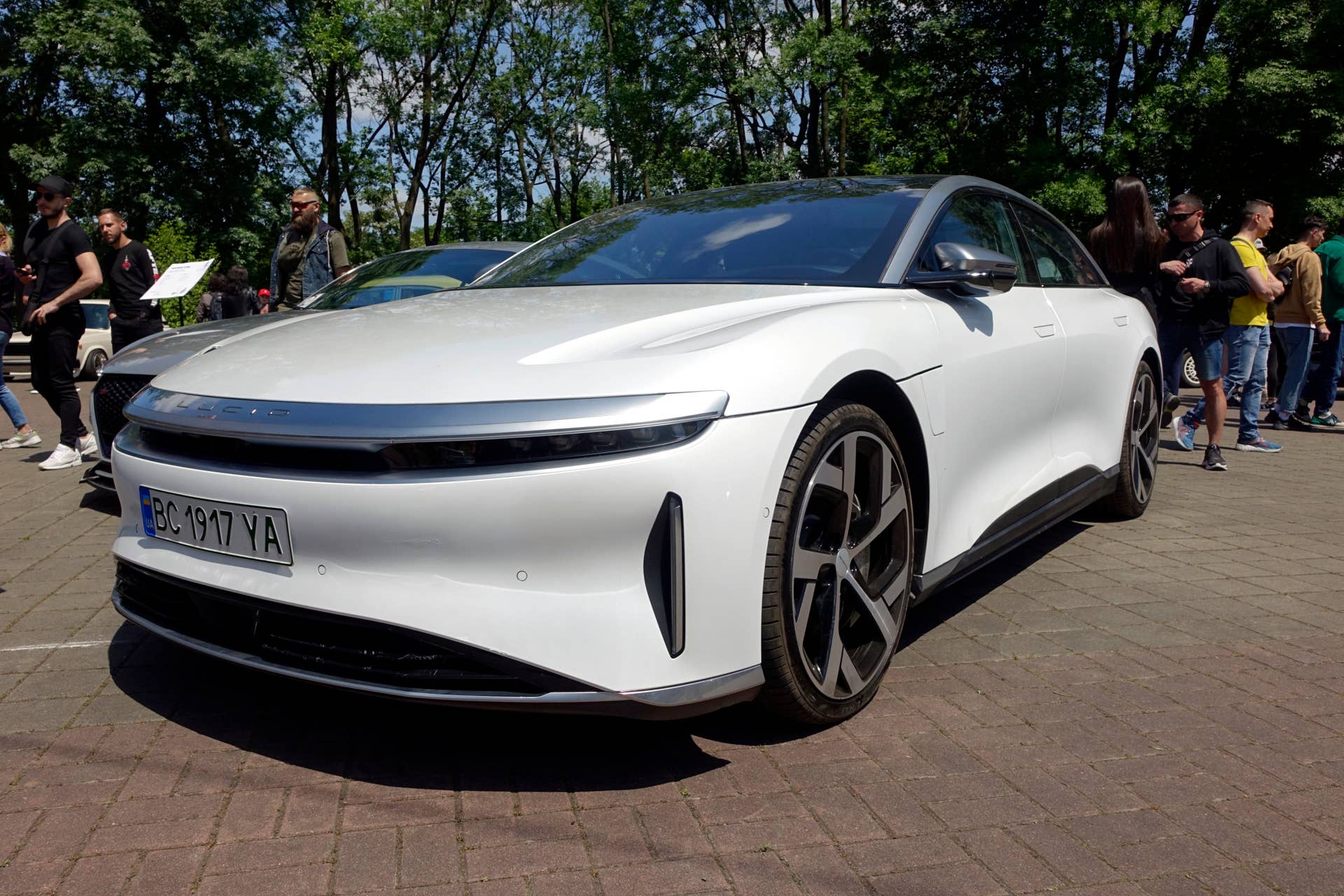
Lucid Group (LCID) is recalling 27,185 Air sedans built across the 2022 through 2026 model years. An exterior lighting circuit governed by software can let too much current pass through, raising the risk of overheating and fire, according to CNBC.
The flaw sits in what Lucid calls an eFuse, a software controlled substitute for a physical fuse.
Faulty logic failed to cut power at the right threshold, letting the circuit stay energized past its rated capacity, according to Lucid’s own filing with the National Highway Traffic Safety Administration.
Modern electric vehicles often rely on solid-state eFuses whose current limits are governed by code rather than physical melt-wires. Because the safety threshold is defined in software, engineers can recalibrate the system remotely to prevent overheating without replacing a single hardware component.
Related: Automakers keep quiet about a U.S. probe into their sensors
A fix preceding the paperwork
Lucid discovered a fire in a company owned Air back in June 2023, tracing it to the same front lighting area now under recall, CarBuzz reported.
The company’s Product Safety Executive Council formally classified the issue as a safety defect on August 13, this year, per the NHTSA filing.
That timeline matters because it shows the fix arrived before the recall did. Lucid released the corrected software in July, and by the time it filed with regulators, 20,719 of the 27,185 affected cars already had it installed.
The recall, in other words, was mostly paperwork catching up to an update already pushed.
Why Wall Street looked past the headline
Shares moved higher Friday even as Lucid disclosed its largest recall on record, TipRanks noted, a reaction GuruFocus attributed to the software fix limiting operational disruption. The stock traded between $4.95 and $5.17 during the session, according to market data.
That muted response tracks perfectly with broader Wall Street sentiment. Across a recent poll of 11 analysts by S&P Global, the consensus rating remains a steady ‘Hold’ with an average price target of $8.11, implying a roughly 62% upside from current trading levels.
More Automotive:
- Toyota doubles down on EVs while rivals retreat
- Mazda just made a big change under tariff pressure
- Key auto parts maker closes factory, lays off 325 workers
Cantor Fitzgerald’s Andres Sheppard perfectly encapsulates this grounded outlook, having recently reiterated a Neutral rating and an $8 price target heading into second-quarter earnings. His view is built on delivery pace and cash burn rather than one-off safety notices.
Ultimately, a recall that requires a swift software push, rather than a crowded service bay, barely moves the needle for these institutional forecasts.
The recall pattern is becoming Lucid’s playbook
This is not Lucid’s first brush with NHTSA this year. The company recalled more than 10,000 vehicles in January over a rearview camera display issue and another 2,039 in May over a loss of drive power, both resolved through over the air updates rather than dealer visits, according to Reuters reporting.
For a legacy automaker, that recall frequency would read as a reliability crisis. For a software defined one, it increasingly reads as routine maintenance that regulators happen to require public disclosure for.
The real test isn’t whether Lucid’s fix works. It’s whether regulators and investors keep weighing an over the air recall the same way they weigh one that pulls cars off the road entirely.
As software-defined vehicles become the industry standard, routine over-the-air updates will lose their ability to shock the market.
Wall Street has already looked past this notice, keeping its focus on Lucid’s upcoming earnings and the critical production ramp of the Gravity SUV.
Related: Honda keeps skipping the hybrid its buyers are asking for