There is a woman in her mid-50s somewhere in Texas, California, or another place who has tried injectable GLP-1 medications and hated the weekly shot.
There is a 40-year-old father who cannot remember to take a medication that requires him to fast beforehand.
There is a college student who wants the benefits of GLP-1 therapy but cannot afford or tolerate the injectable versions. Foundayo is being built for all three of them.
Eli Lilly CEO Dave Ricks stood on roughly 240 acres of undeveloped land in Houston, Texas, on Sept. 21 and spoke to CNBC. This is the land that will house Lilly’s new $6.5 billion manufacturing facility.
Dave made a powerful statement that will shape the obesity drug market for the next decade. One-third of all new patients starting an oral GLP-1 medication are now choosing Foundayo.
And that market share is growing week over week, Ricks told CNBC.
Also Read: Eli Lilly Latest News and Stories
What makes Foundayo different and why it matters to patients, not just investors
The GLP-1 pill space sounds like a technical pharmaceutical category until you understand what has held the injectable market back from reaching its true potential.
Millions of patients who would benefit from GLP-1 therapy cannot take injectable medications due to needle phobia, lifestyle constraints, or just simple preference.
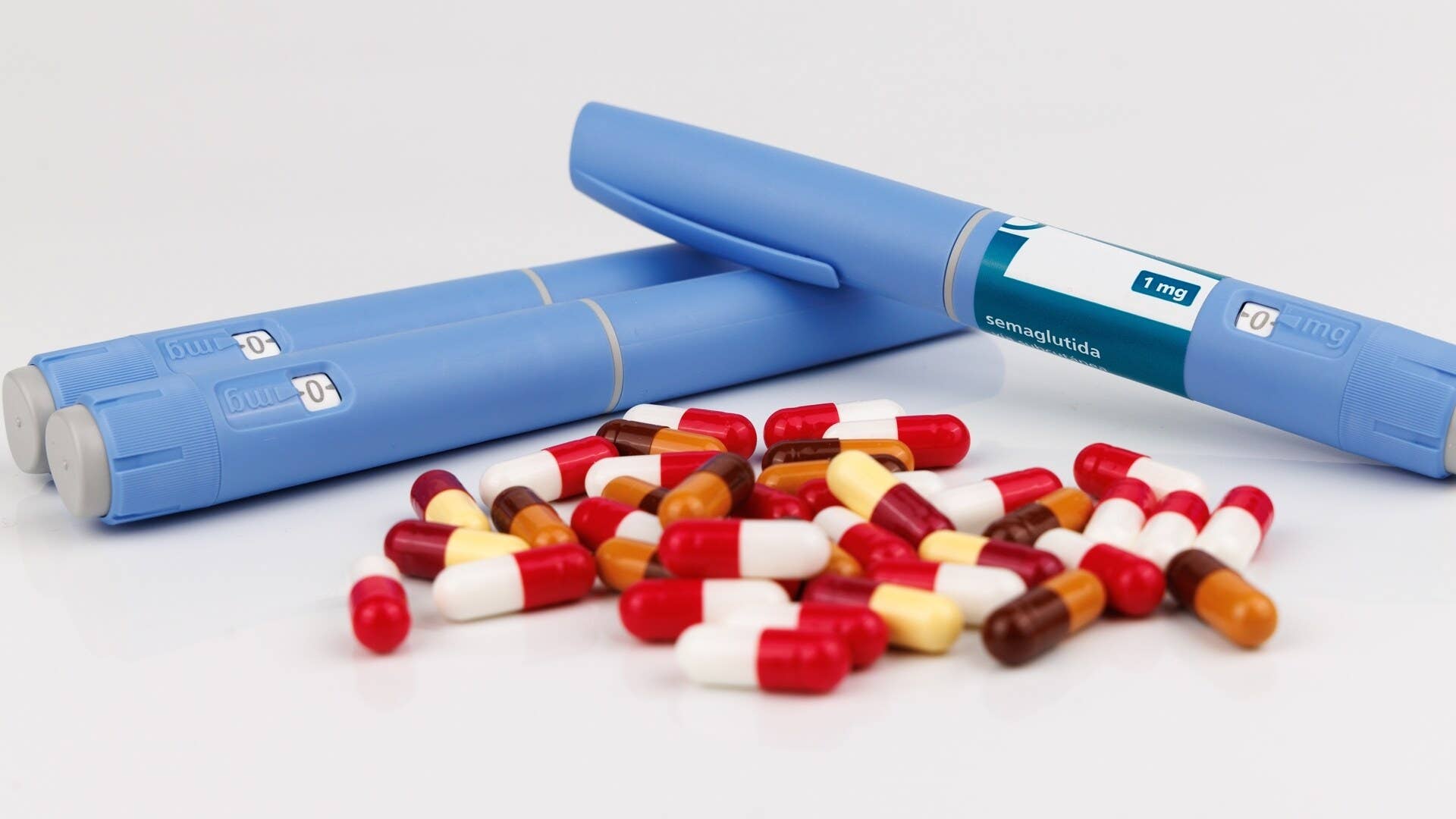
Oral semaglutide, Novo’s existing pill option, requires strict fasting protocols and is taken with just a small sip of water, at least 30 minutes before any food or other medications, the Wegovy website explained.
For people with irregular schedules or complex medication routines, that restriction is a genuine barrier to adherence.
More Healthcare Stocks:
- BofA sees Eli Lilly’s overseas obesity sales topping the U.S.
- Eli Lilly’s Foundayo pill wins first European approval
- Novo Nordisk CEO resets expectations for Wegovy’s growth
Foundayo removes that friction entirely. As a small-molecule, non-peptide drug, it can be taken once daily without food or water restriction. No fasting window. No injection. No restriction on timing relative to meals.
In Phase 3 trials (ATTAIN-1), Foundayo achieved average weight reductions of 7.4% to 11.1% at 72 weeks depending on dose, with more than 54% of patients on the highest dose losing at least 10% of body weight, according to Clinical Advisor data.
Those numbers are meaningful for patients and meaningful enough for Medicare, which began covering obesity drugs in July, according to the National Council on Aging.
In fact, that’s a policy change Ricks specifically cited as an access accelerator for Foundayo, CNBC reported.
Eli Lilly manufacturing race behind the pill race
Ricks was breaking ground on a $6.5 billion manufacturing facility at Generation Park that will produce Foundayo and the active ingredients for Lilly’s small-molecule medicines across cardiology, oncology, immunology, and neuroscience. The plant is expected to be operational by 2030.
The Houston groundbreaking is one piece of a $27 billion commitment Lilly made in February 2025 to build four new U.S. facilities. Since 2020, the company has committed more than $50 billion to expanding its global manufacturing network.
Related: BofA points to the Eli Lilly market that could outsize the U.S.
Ricks has repeatedly framed that scale of capital commitment not just as a Trump-administration goodwill gesture but also as a genuine competitive moat against Novo Nordisk (NVO).
The production capacity race is critical because the oral pill market is now supply-constrained. Foundayo booked $98 million in sales in Q2 2026, its first full quarter on the market. But Ricks acknowledged that manufacturing scale is the binding constraint on how quickly the market can grow.
In the U.S., Lilly held a 60.9% share of the obesity and diabetes drug market in the second quarter, compared with Novo’s 38.8%, according to Lilly’s Q2 earnings presentation. With that, the Houston plant infrastructure makes the long-term dominance sustainable.
The bigger story: Medicare, access, and what finally changes for obesity treatment
The truly transformative development in this story is not Foundayo itself. It is Medicare coverage of obesity drugs, which began in July 2026, as mentioned.
For the first time, tens of millions of Medicare beneficiaries have access to prescription weight-loss medications with insurance coverage. That policy shift expands the addressable patient population in ways the private insurance market alone never reached.
Oral medications like Foundayo are specifically positioned to benefit from broader access. Patients who were deterred by injectables, cost, or access barriers can now reach an oral option covered by the nation’s largest public insurer.
Lilly’s Q2 2026 total revenue of $23 billion grew 48% year over year, driven primarily by Mounjaro and Zepbound volume, according to the company’s Q2 earnings release.
Foundayo’s $98 million Q2 debut is a small number relative to that base. But the Houston plant that breaks ground today is being built for the version of this market that exists in 2030, when Medicare coverage has had three full years to pull previously untreated patients into the category.
Ricks said Lilly is confident in its long-term position in the oral pill segment. On performance, LLY has retraced to $1,164.89 from its all-time high of $1,292.65 reached on Aug. 19, but is still up 55.88% over the past year, according to Yahoo Finance.
LLY could outperform the broader market over the next 12 months, based on the latest analyst ratings. According to TheStreet, of the 22 analysts who rated the stock over the past three months, 20 recommend buying, one has a hold rating, and one recommends selling.
Related: Goldman Sachs sees writing on the wall for Eli Lilly stock