Walmart and Target are stepping up their competition in one of retail’s fastest-changing categories: beauty.
Both retailers have been expanding their beauty assortments, bringing in higher-priced brands and investing in store experiences designed to make them destinations for shoppers who want more than everyday essentials.
The moves come as the traditional lines separating mass-market and prestige beauty continue to blur.
Consumers increasingly discover products through social media and other channels, rather than relying exclusively on department stores or specialty beauty retailers.
“Discovery happens everywhere now,” Jacqueline Flam Stokes, managing director of beauty & health at NielsenIQ, told Retail Brew.
That’s creating a world of opportunity for Walmart and Target.
Walmart is pushing deeper into premium beauty
Walmart has been particularly aggressive in expanding its beauty assortment.
The retail giant added 100 premium brands in 2025 and more than 40 additional brands in 2026, according to Retail Brew. Those additions include higher-priced skin care and hair care brands such as Living Proof and Murad, with some products selling for as much as $90.
Related: Target employees may reject latest workplace ‘benefit’
Walmart is also changing where and how shoppers encounter those products.
The retailer has placed beauty departments toward the front of remodeled stores, and it’s testing Beauty Experts who can help customers with product recommendations, foundation shades, and emerging beauty trends.
Silvia Azrai Kawas, Walmart’s executive vice president of consumables, told Retail Brew that the retailer has seen increased beauty demand from higher-income customers and views the category as a way to attract younger shoppers and encourage larger baskets.
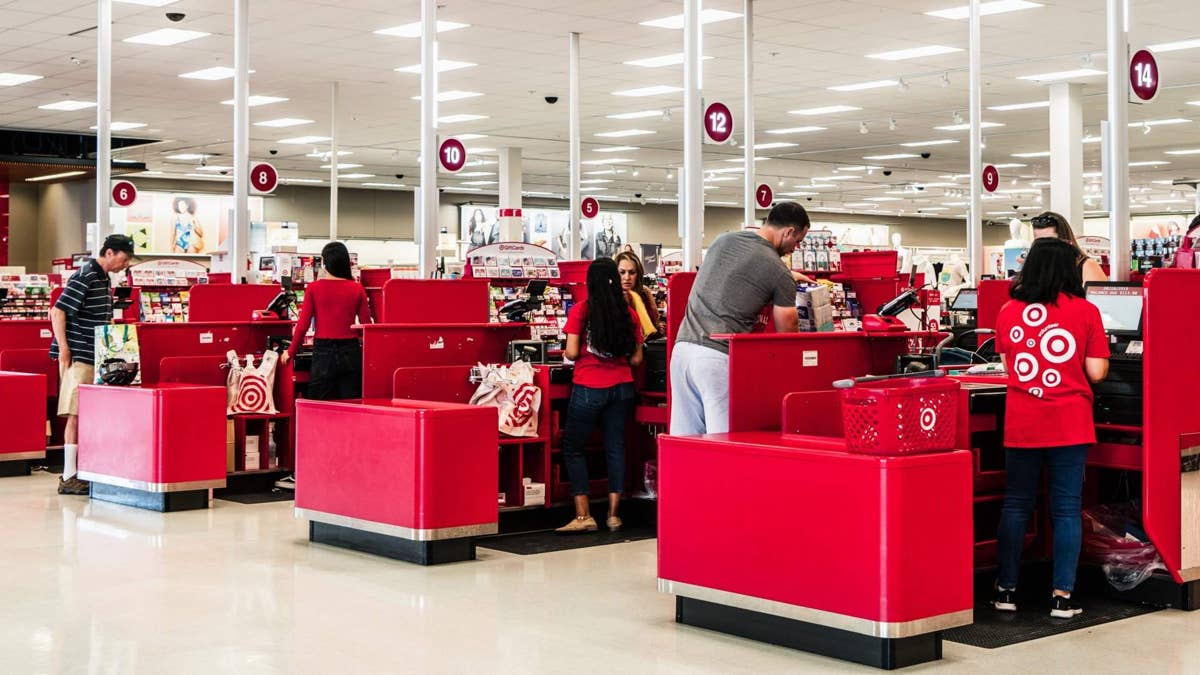
Shutterstock
Target is creating its own prestige beauty destination
Target is taking a similarly ambitious approach. After its Ulta Beauty shop-in-shop partnership ended in August, Target launched Target Beauty Studio in September at more than 600 stores and online.
The new concept features numerous prestige, emerging, and global brands, including dozens of brands that are new to Target customers.
The assortment includes skin care, hair care, cosmetics, and fragrance.
Target is also trying to replicate some of the expertise shoppers expect from specialty beauty retailers. The Beauty Studio includes dedicated team members who can provide recommendations, along with curated displays and product-testing opportunities for select products.
“Together with Target’s core beauty assortment, Target Beauty Studio creates a one-stop beauty destination for every routine, from everyday skincare and beauty essentials to prestige favorites and the latest beauty finds,” the company announced.
Can both retailers win as competition heats up?
The competition between Walmart and Target illustrates how dramatically the beauty market has changed.
Neither retailer needs to become a traditional department-store beauty counter to participate. Instead, both are betting that shoppers increasingly want convenience, discovery, premium brands, and value in the same place.
More Retail:
- Costco sees major shift in member behavior
- Retail chain shuts all locations as legal changes hit industry
- Costco makes major investment in online shopping for members
- How many employees does Walmart have in 2026? Its workforce, locations & layoffs explained
That could make beauty an increasingly important battleground between the two retail giants. But it also doesn’t have to be.
Given the popularity of beauty products, Walmart and Target don’t necessarily need to best one another.
Customers are already familiar with both brands on a broad level. So if anything, both companies can use that advantage to encourage repeat visits while attracting new shoppers.
Walmart and Target can also take the opportunity to learn from each other’s wins and mistakes as both attempt to get a piece of the beauty industry action. Ultimately, that could set the stage for a shared win.
Maurie Backman owns shares of Walmart and Target.