TheStreet aims to feature only the best products and services. If you buy something via one of our links, we may earn a commission.
Admiring the night sky is a primal pastime, and one that humans have been engaging in for millennia. Today’s stargazing, however, is far more crisp and clear than it was for our ancestors. That’s thanks to the invention of the personal telescope. These impressive gadgets help us to see the heavens in a far more detailed way than ever before. The technology has improved immensely in recent years as well, giving us an even closer look at our neighbors in the cosmos. Shopping at online retailers like Amazon and Walmart, you can find lots of telescopes in every price range and with every type of feature imaginable. Many have fun extra features as well, such as the ability to attach a smartphone for taking photos. If you have a smartwatch, you can even use it to time the pictures. There’s no better time than now to start looking up and admiring the universe. That’s because the summer sky offers the kind of astronomy lessons you could never get from a textbook.
Stargazing in the summertime
There are a few reasons why the summer is one of the best times to enjoy looking into space with your telescope. The first of these is the most practical. It’s simply that the weather allows for comfortable viewing for the entire season. While heat or humidity may impact general comfort for some, it still doesn’t hinder your ability to use your telescope. Cloud cover, rain, and even snow can keep you from seeing much of anything throughout the rest of the year. While springtime often offers a more temperate climate, it also brings with it a fair amount of precipitation. That’s why making use of summer weather is the best strategy for stargazers.
Secondly, the Milky Way galaxy itself is more visible in the summer months than at any other time of the year. That’s because in the summertime, the Earth faces the center of the galaxy, which is intensely bright. It allows for the best possible views of the galaxy and so much that it encompasses. The Milky Way’s center is loaded with all sorts of interesting astral objects, including globular star clusters and multiple nebulae.
Finally, you can get the optimum performance from your telescope in the summer. There’s less risk of your lenses fogging due to rapid temperature drops, which can happen regularly in other seasons. Battery-powered components and moving parts tend not to fare as well in colder weather. In fact, batteries have a shorter lifespan when used in extreme cold versus warmer weather. All of these factors contribute to summertime being ideal for astronomy fans. When choosing a telescope, there are three designs to consider.
Refractor telescopes
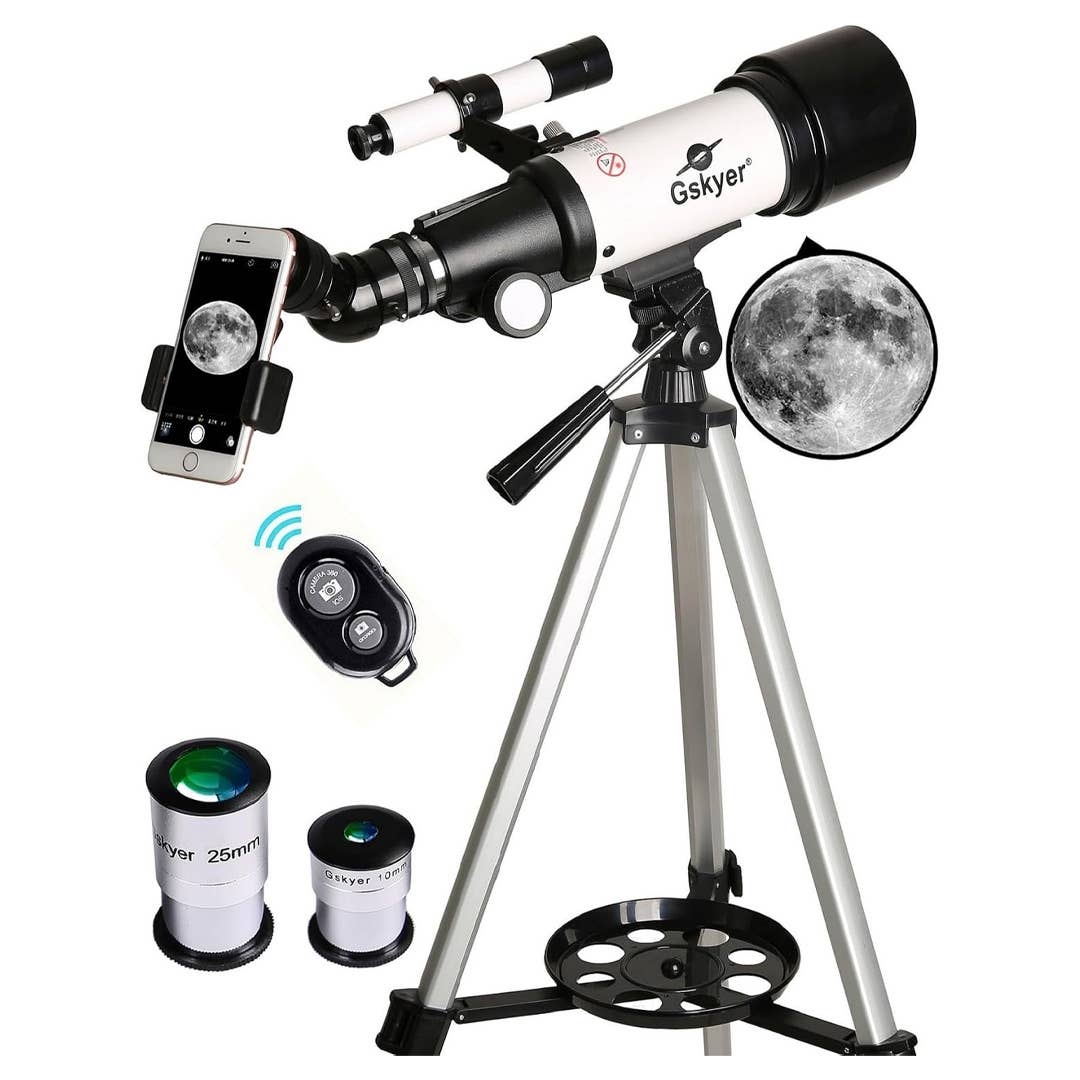
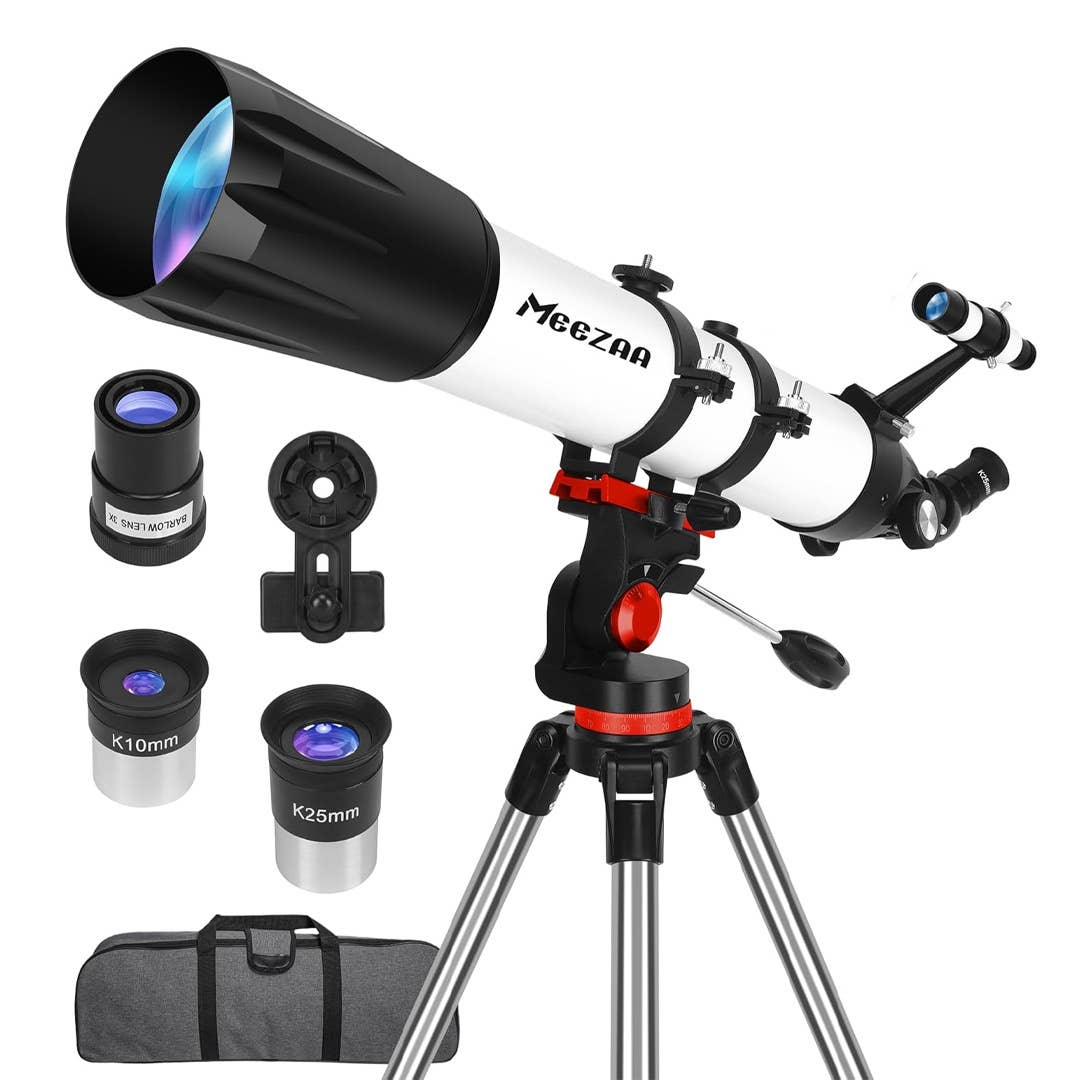
Refractor telescopes utilize two or more lenses to collect light, and subsequently bend it in order to magnify your subject. It also makes objects in your view look brighter and more clear. Refractor telescopes are more popular for amateur astronomers vs. professionals. That’s because in order to get higher magnification, you need larger and heavier lenses as well as a longer tube. That gets expensive when you’re talking about a professional-scale telescope that can see deeper than most amateur models. What’s more, gravity can cause large glass lenses to sag over time, creating distortions.
Gskyer Refractor Travel Telescope
Meezaa Professional Refractor Telescope
Reflector telescopes
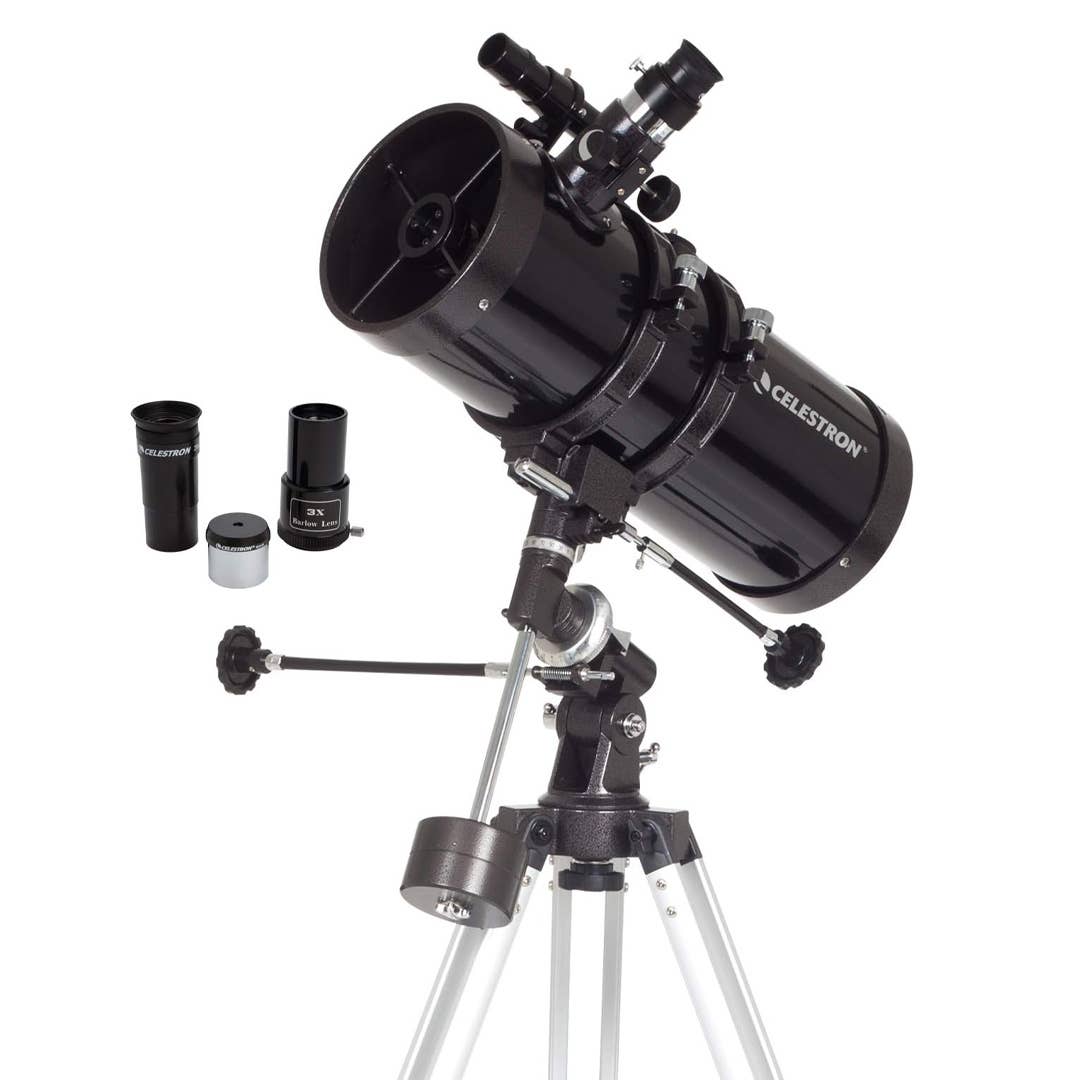
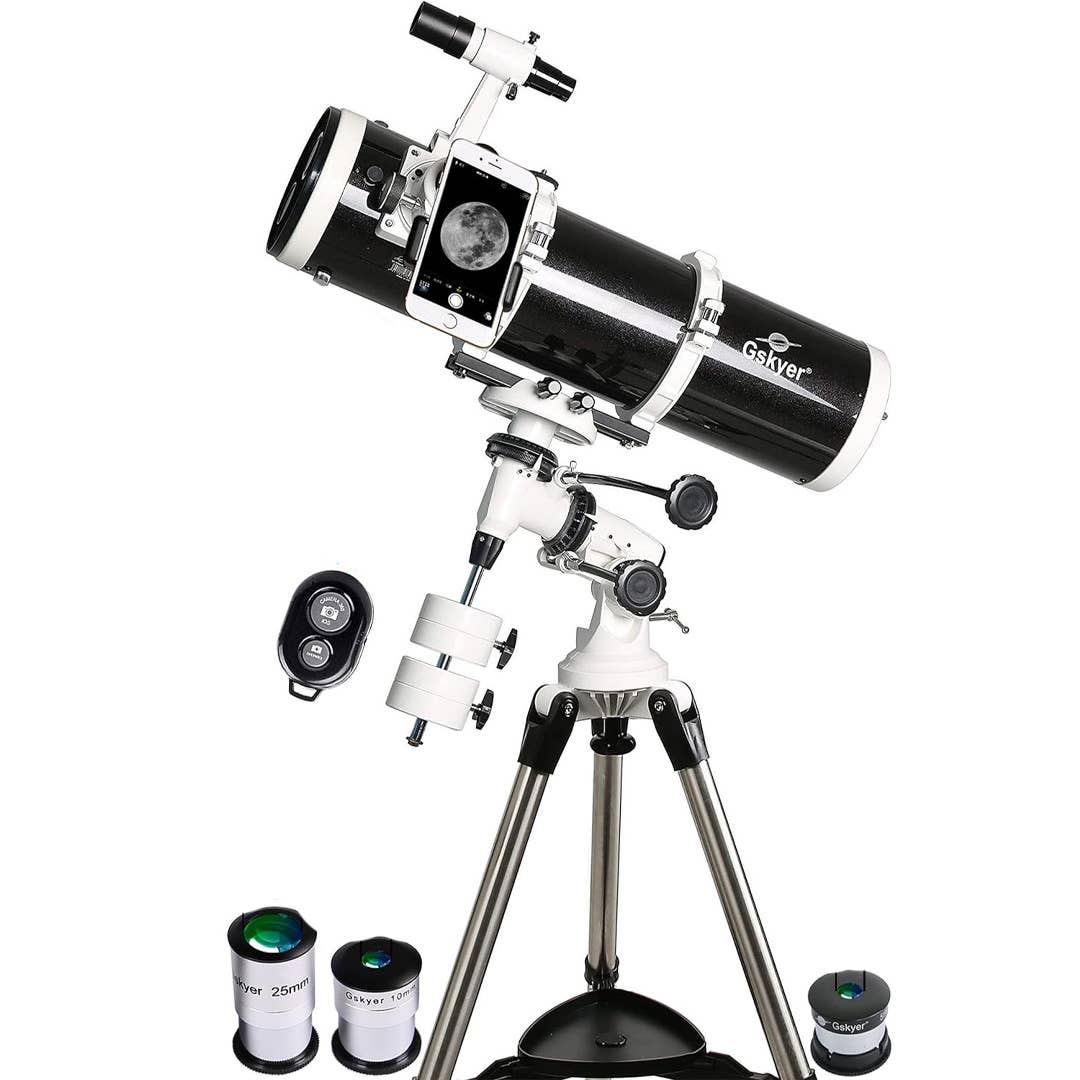
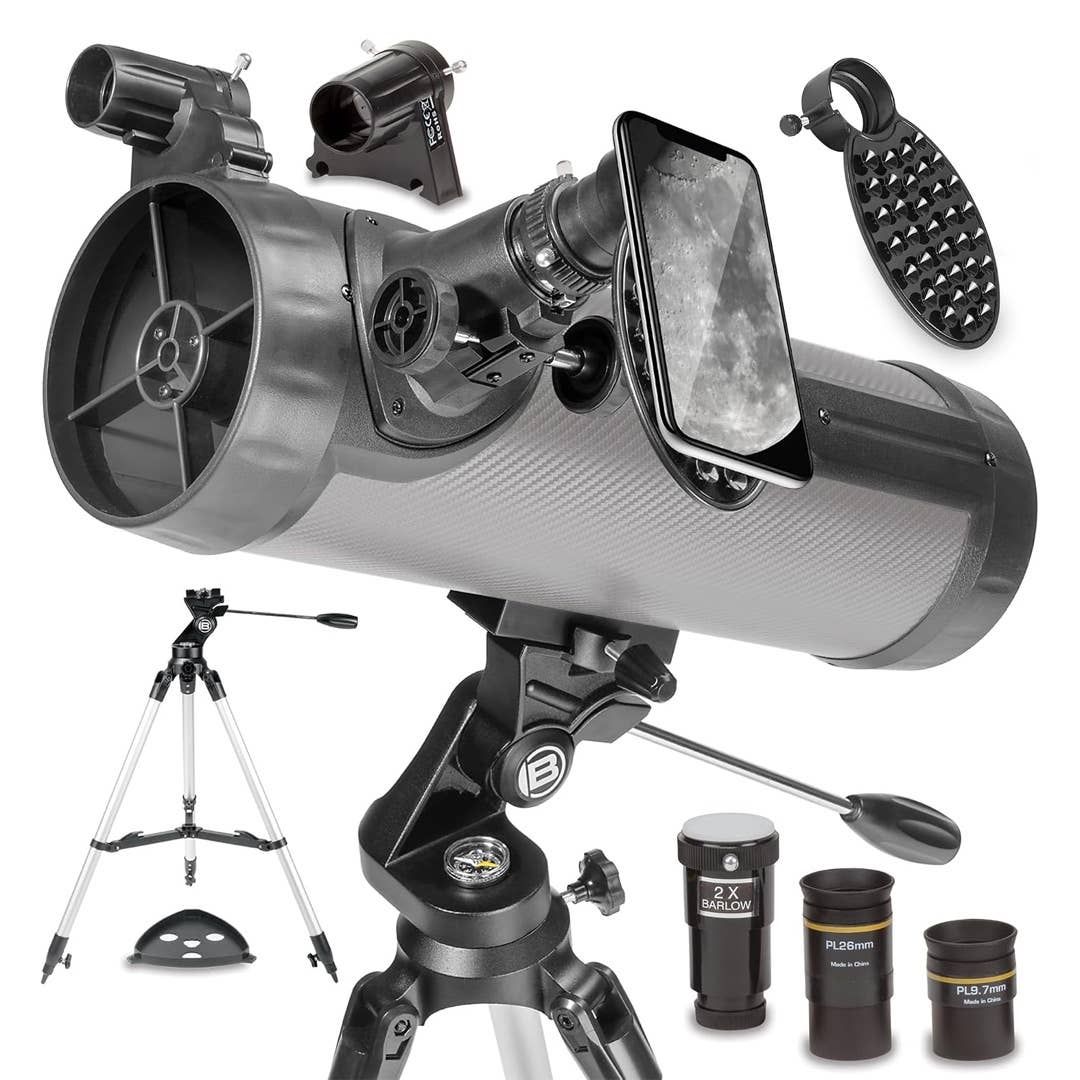
Reflector telescopes, on the other hand, utilize a large mirror at the back of the tube to reflect light toward another smaller mirror that then feeds the image to the eyepiece. This uses the mirrors as the primary magnifiers rather than lenses. Mirrors can be produced much thinner than glass lenses from a refractor telescope, so there’s less concern about image distortion when you upsize the telescope. Reflector telescopes tend to require more maintenance than their refractor counterparts because there are more components involved and they sometimes require internal cleaning.
Celestron Power Seeker Reflector Telescope
Gskyer Astronomical Reflector Telescope
National Geographic Reflector Telescope
Compound telescopes
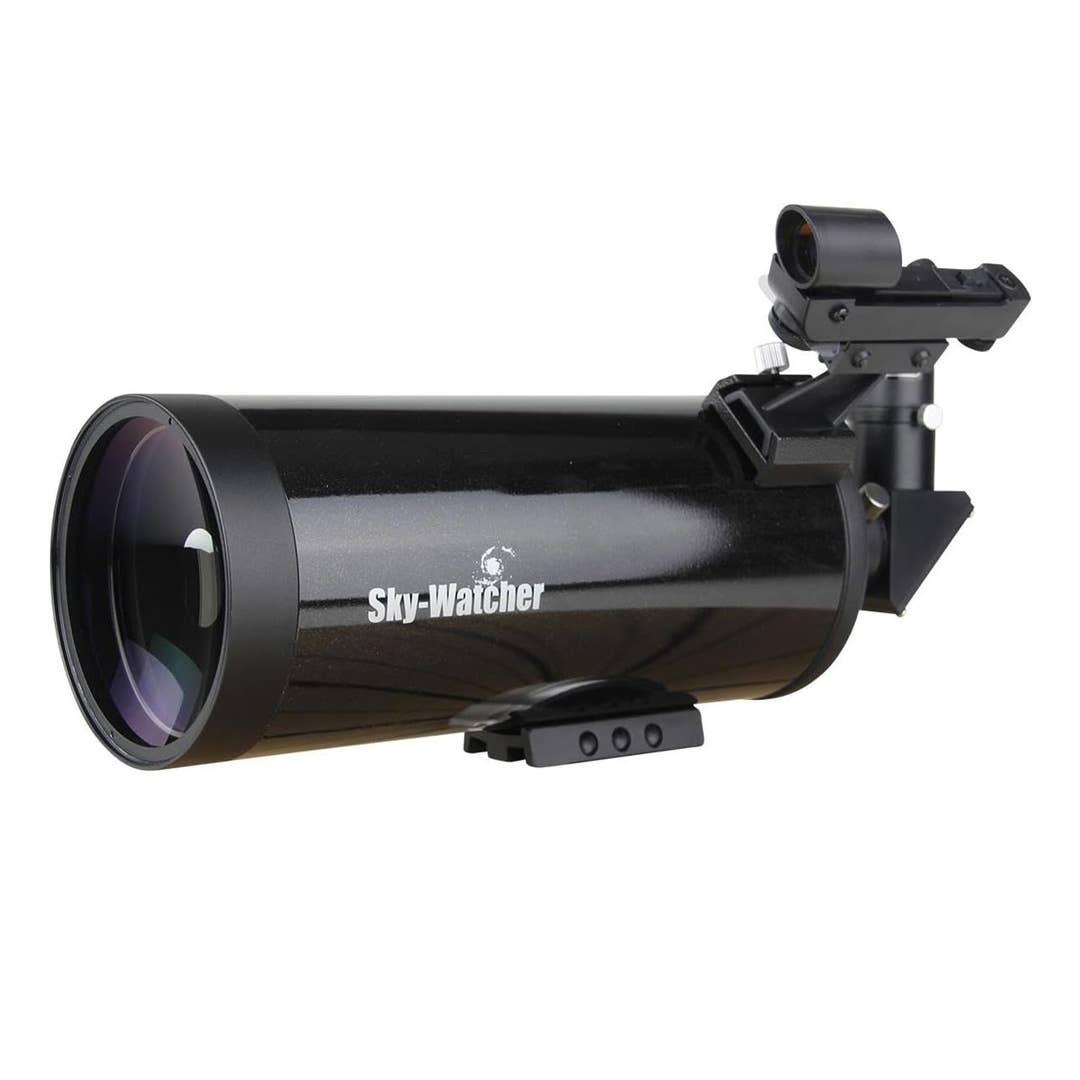
As you may expect, compound telescopes use a combination of refraction and reflection to magnify things in the night sky. Because they use both techniques, they’re fairly compact and smaller, on average, than the other two options. They also sit at a midrange price point. However, because they require a more complex manufacturing and assembly process than the other two, they’re not quite as common or readily available. Compound telescopes are more of a specialty item for hobbyists and professionals rather than a standard budget pickup. That doesn’t mean, though, that you can’t find one at a good price occasionally. Even Amazon only seems to have one compound model available at the moment.
Skywatcher Skymax Compound Telescope
TheStreet Shopping is your guide for shopping insights and advice. We look beyond the price tag to find the best value in home, tech, and wellness gear based on product features and real-world use. Read more about our Editorial Standards and How We Choose Our Shopping Deals.