A warehouse shift in Tulsa will result in 184 job cuts, even as production lines beside it continue to operate.
TheStreet recently reported that Coca-Cola is closing a Massachusetts bottling plant, while Mars-owned Nature’s Bakery is transferring production from a Missouri facility to other locations.
The circumstances differ, but both showed how companies are redrawing their manufacturing and distribution networks while their products remain widely available to shoppers.
Now a similar shift is affecting PepsiCo workers in Tulsa, Oklahoma.
PepsiCo cuts 184 Tulsa warehouse jobs
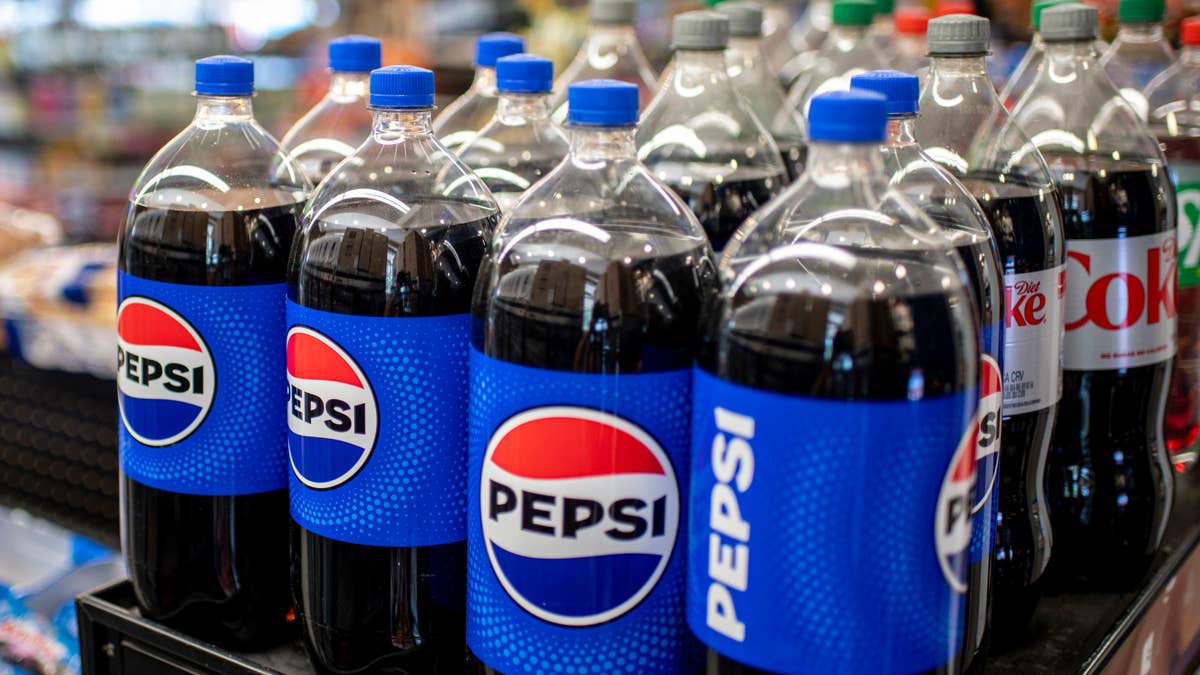
PepsiCo Beverages will discontinue warehouse operations at its facility at 510 W. Skelly Drive, Tulsa, on Nov. 15, according to a Worker Adjustment and Retraining Notification (WARN) notice reviewed by TheStreet.
The closure will impact 184 jobs and is expected to be permanent, affecting nearly all warehouse employees at the facility, on or Nov. 15, 2026.
The rest of the plant will remain open, and beverage production will continue.
More Layoffs:
- Meta layoffs take disturbing turn in new lawsuit
- Major snack brand closes plant, cuts 345 jobs
- JPMorgan Chase pushes fraud division layoffs, despite rising revenues
The largest groups affected include 63 warehouse workers and 57 forklift operators.
The layoffs also include 16 checkers, 13 inventory-control specialists, 12 lead workers, supervisors, coordinators, and other supply-chain employees.
“PepsiCo Beverages U.S. is shifting warehouse operations to a new facility in the Tulsa area to best support our customers and consumers; production will continue to operate at the current facility,” PepsiCo Beverages US said in a statement to TheStreet.
“We are committed to treating impacted employees with the utmost care, including assistance applying to work with the new logistics provider, pay and benefits continuation based on years of service, transition assistance, and career support,” the statement added.
The WARN notice also said PepsiCo is working to place affected employees in other jobs at the Tulsa plant or nearby facilities.
However, PepsiCo did not identify the new warehouse location or the logistics provider that will operate it.
The company also did not disclose how many workers could secure other roles.
PepsiCo warehouse cuts extend beyond Tulsa
The Tulsa restructuring follows other recent changes across PepsiCo’s U.S. warehouse and distribution network.
Frito-Lay closed its Rancho Cucamonga, California, warehouse in June, eliminating 248 logistics and distribution jobs.
Manufacturing at the location had already ended in 2025, but warehouse and distribution operations continued until this year.
PepsiCo said the remaining work would be transferred to a newer local distribution center.
An off-site Frito-Lay warehouse in Orlando also closed in May, affecting 46 workers.
That followed the November 2025 shutdown of a nearby manufacturing plant and warehouse that eliminated 454 jobs.
The circumstances at each location differ.
Still, the moves show PepsiCo consolidating or relocating work across parts of its U.S. network rather than keeping every existing warehouse and production site operating as before.
The Tulsa decision is narrower because the production plant itself is not closing. But for workers whose jobs depend on storing, checking, and moving products, the impact is losing their jobs.
PepsiCo tests a new distribution model
PepsiCo executives recently explained why the company is taking a closer look at its warehouses, transportation systems, and delivery routes.
During its July 9 second-quarter 2026 earnings call, CEO Ramon Laguarta said PepsiCo is trying to combine more of the scale of its North American food and beverage businesses.
Historically, the two businesses have operated through largely separate inventory, warehouse, and delivery systems.
PepsiCo is now testing “mixing centers” in the Texoma region that bring food and beverage inventory together at the same location.
The company is also testing combined deliveries and vehicle fleets.
Laguarta said the model gives PepsiCo more flexibility when serving customers while lowering its costs.
“We’re seeing mixing centers being a big idea for us, and that is scaling,” said Laguarta in the Q2 earnings call.
“These are combined mixing centers where we put the inventory from the two categories,” he noted. “That gives us a lot of flexibility to service our customers and lowers our cost. Now, we’re testing incremental ideas like combined delivery, combined fleet.”
PepsiCo did not say that the Tulsa move is directly connected to the Texoma tests.
However, shifting warehouse operations to a new facility and logistics provider aligns with the company’s broader effort to rethink how products move through its U.S. supply chain.
The company has also been expanding automation and digital tools as part of a wider productivity push.
Beverage demand remains pressured
In terms of financial position, PepsiCo reported second-quarter net revenue of $24.18 billion, up 6.4% from a year earlier. Organic revenue increased 2.4%.
However, the company’s North American beverage results were more mixed, and it missed earnings expectations.
PepsiCo Beverages North America revenue rose 7%, but acquisitions accounted for six percentage points of that growth.
Organic revenue increased 1%, while beverage volume declined 4%.
Wall Street had already warned that PepsiCo’s North American recovery could take longer than expected.
In a June 25 note, Bank of America lowered its 2026 earnings estimate for PepsiCo to $8.61 from $8.65 and cut its price target to $164 from $173, citing softer-than-expected performance at PepsiCo Foods North America.
The bank also said core Pepsi retail sales were down 6.8% year to date, while Mountain Dew sales had declined 2.3%, highlighting pressure across some of the company’s biggest U.S. brands.
PepsiCo executives said the North American business performed more weakly than expected during the quarter, as higher gas prices pressured convenience-store traffic and impulse purchases.
The company said it achieved record productivity during the first half of the year and plans to pursue additional savings during the second half.
PepsiCo maintained its 2026 forecast for organic revenue growth of 2% to 4% and core constant-currency earnings growth of 4% to 6%.
The food and beverage maker is growing overall, but demand remains softer in parts of its North American business.
This comes as the company tries to lower costs by combining operations and changing how products are stored and delivered. It’s also simultaneously growing its business internationally.
Related: 105-year-old historic hotel by national park files for Chapter 11 bankruptcy