AT&T has refreshed its internet plan lineup amid intensifying competition in the broadband industry.
While AT&T welcomed 584,000 new internet customers in the first quarter of 2026, according to its most recent earnings report, T-Mobile attracted over 500,000 and Verizon gained 341,000.
In January, Verizon acquired Frontier for $20 billion to expand its fiber internet footprint nationwide, offering more customers bundled mobile and internet service. T-Mobile also recently upgraded its fiber internet plans in April, which include more value and lower starting prices.
While AT&T faces elevated competition from Verizon and T-Mobile, it is also challenged by the growing threat of satellite internet providers.
SpaceX’s satellite internet service Starlink has attracted over 9 million customers since its launch in 2019. Also, Amazon is expected to offer satellite high-speed internet plans through its Amazon Leo service later this year.
AT&T drops new fiber internet plans amid pressure
To keep customers from switching to competitors, AT&T is launching four new fiber internet plans, the company’s latest move in “simplifying pricing for customers,” according to a new press release.
The new fiber internet plan lineup offers four speed options: 300 Mbps, 500 Mbps, 1 gig, and 5 gig.
With autopay and paperless billing discounts activated, the 300 Mbps option starts at $50 a month, but when bundled with wireless service, the price goes down to $35. AT&T states that this entry-level plan is three times faster than the previous offering.
Related: AT&T drops 3 new phone plans to keep customers from switching
The 500 Mbps tier costs $65 a month; when bundled, the price drops to $50. The 1 gig tier is $80 and decreases to $60 when combined with wireless.
The highest tier, 5 gig, is priced at $125, and its bundled price is $100. This plan includes All-Fi Pro, which offers “whole-home coverage, advanced security, Wi-Fi that adapts to routines,” and AT&T’s latest technology with “premium equipment upgrades,” the press release shared.
In addition, AT&T states that each of the new fiber plans comes with internet backup for free “when combining qualifying services.” Customers can sign up for these plans starting on June 7.
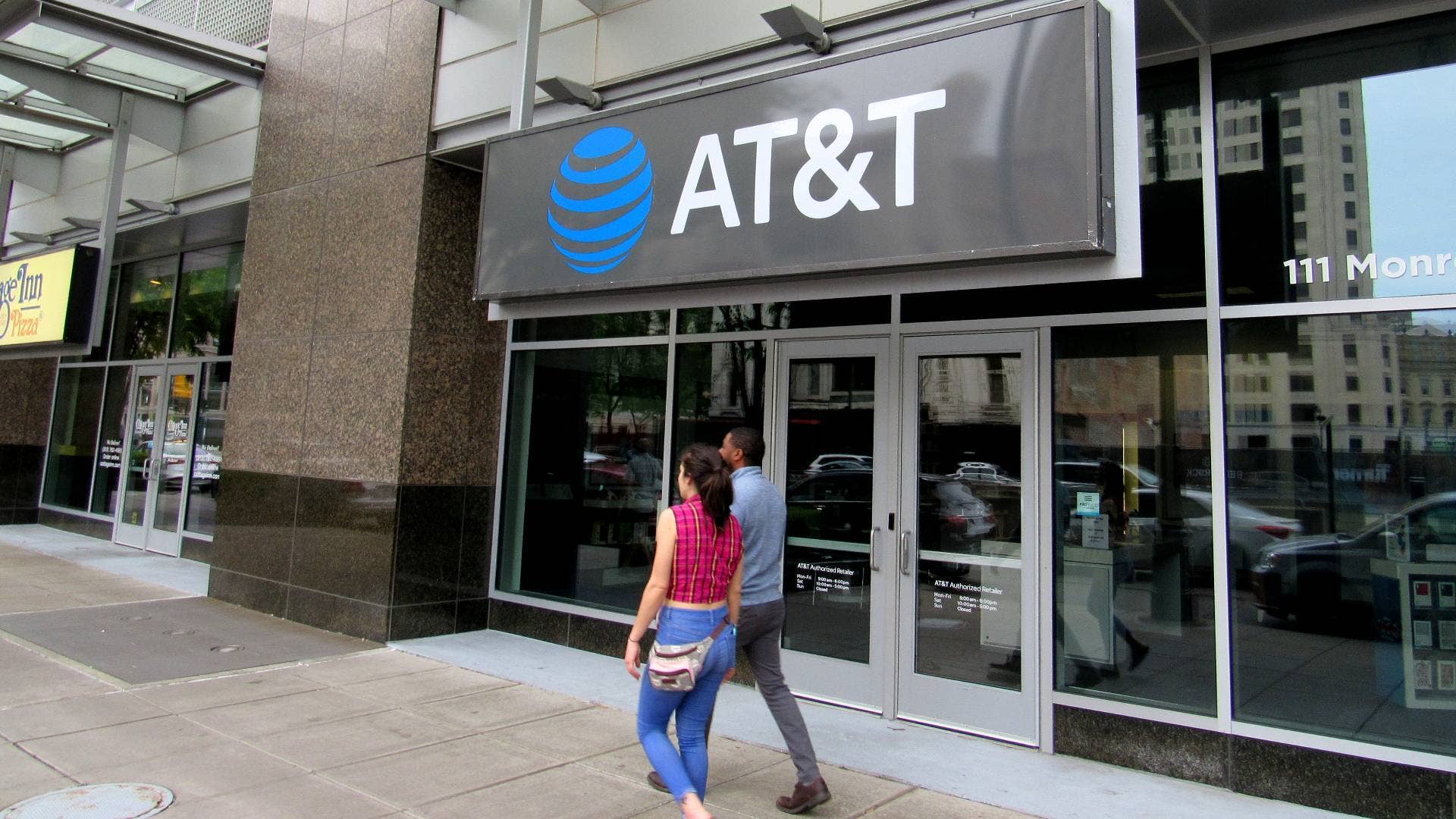
AT&T leans on bundled offers to win over customers
The move from AT&T comes after it has revamped its phone and internet plans in recent months.
In March, it rolled out three new phone plans: AT&T Value 2.0, AT&T Extra 2.0, and AT&T Premium 2.0, which offer customers a single line for a starting monthly price of $50, $70, and $90, respectively.
That same month, it launched its OneConnect subscription, offering bundled wireless and fiber internet service for $90 per month.
In May, AT&T also unveiled a customizable phone plan called Build-A-Plan, which starts at $15 per month.
- AT&T customers threaten to leave after latest warning
- AT&T rolls out major upgrade for customers, challenging T-Mobile
- AT&T drops 3 new phone plans to keep customers from switching
During an earnings call in April, AT&T CEO John Stankey said the company will double down on offering converged wireless and internet services to customers, a strategy it believes will help it curb elevated churn in its postpaid phone business.
AT&T’s postpaid phone churn, the percentage of customers who ended their service, reached 0.89% in the first quarter of 2026, up from 0.83% the previous year, according to the company’s latest earnings report.
He said that throughout the year, AT&T will start offering “more variants” of its OneConnect plan.
“The best way for us to manage churn is to converge customers,” said Stankey. “When we get through the repositioning and the shifting that’s going on in the industry right now, which is aligning customers to asset basis, I believe you’re naturally going to see that churn dynamic improve.”
AT&T falls behind rivals in key customer metric
AT&T’s latest strategy comes during a time when the broadband market is rapidly evolving, and the fight to attract and retain customers is becoming more challenging.
“The American broadband landscape has undergone a big transformation in the span of just three years,” said Adlane Fellah, chief analyst at Maravedis Research, in an RCR Wireless News report in April.
“Driven by aggressive fiber deployment, the rapid rise of fixed wireless access (FWA), and the maturation of low-Earth orbit (LEO) satellite, competition has gone from the exception to the rule,” he continued.
Amid this shift, a recent survey by CableTV.com found that AT&T’s internet services are struggling to match some smaller rivals in customer loyalty.
The U.S. internet providers rank in customer loyalty:
- Starlink leads with a 91% customer loyalty score.
- Lumos follows at 88%.
- Google Fiber andZiply Fiber both score85%, placing third and fourth, respectively.
- T-Mobile snags fifth place at 81%.
- AT&T falls behind with a 79% score.
Source: CableTV.com
Eric Chiu, CableTV.com internet editor, said in the survey release that it is clear Americans “drastically” prefer smaller internet service providers over larger national ones.
“This preference shows up in a variety of small or large annoyances, like trading a cable ISP’s outages and annual price hikes for a smaller fiber ISP with great reliability and flat-rate pricing,” said Chiu.
“But in general, customers tend to love smaller providers and (at best) tolerate national ISPs.”
Related: T-Mobile drops new free perks for customers as pressure builds