In the four years that passed since Australia reopened to international travelers in 2022 following one of the longest pandemic-related border shutdowns in the world, tourist numbers to the country have surged.
Just over 8.84 million international travelers arrived in Australia in 2025 while the overwhelming majority of these travelers came, in that order, from New Zealand, China, the United States and the United Kingdom.
Both Australians and tourists who come into the country by air or sea have to fill out a bright yellow paper arrival form in which they declare their personal information, plane or ship on which they are arriving as well as any food or other controlled items that they are bringing with them.
Australia to phase out longtime paper arrival cards over two years
This Incoming Passenger Card has been a requirement for all international arrivals from overseas since 1974 and, for those who go in and out frequently, has become a symbol of entering Australia.
But with increasing digitalization and countries such as Canada also scrapping paper forms for a digital declaration, the administration of current Australian Prime Minister Anthony Albanese announced plans to phase out the cards for a digital version within the next two years.
Related: Why you should absolutely choose Armenia for your next big trip
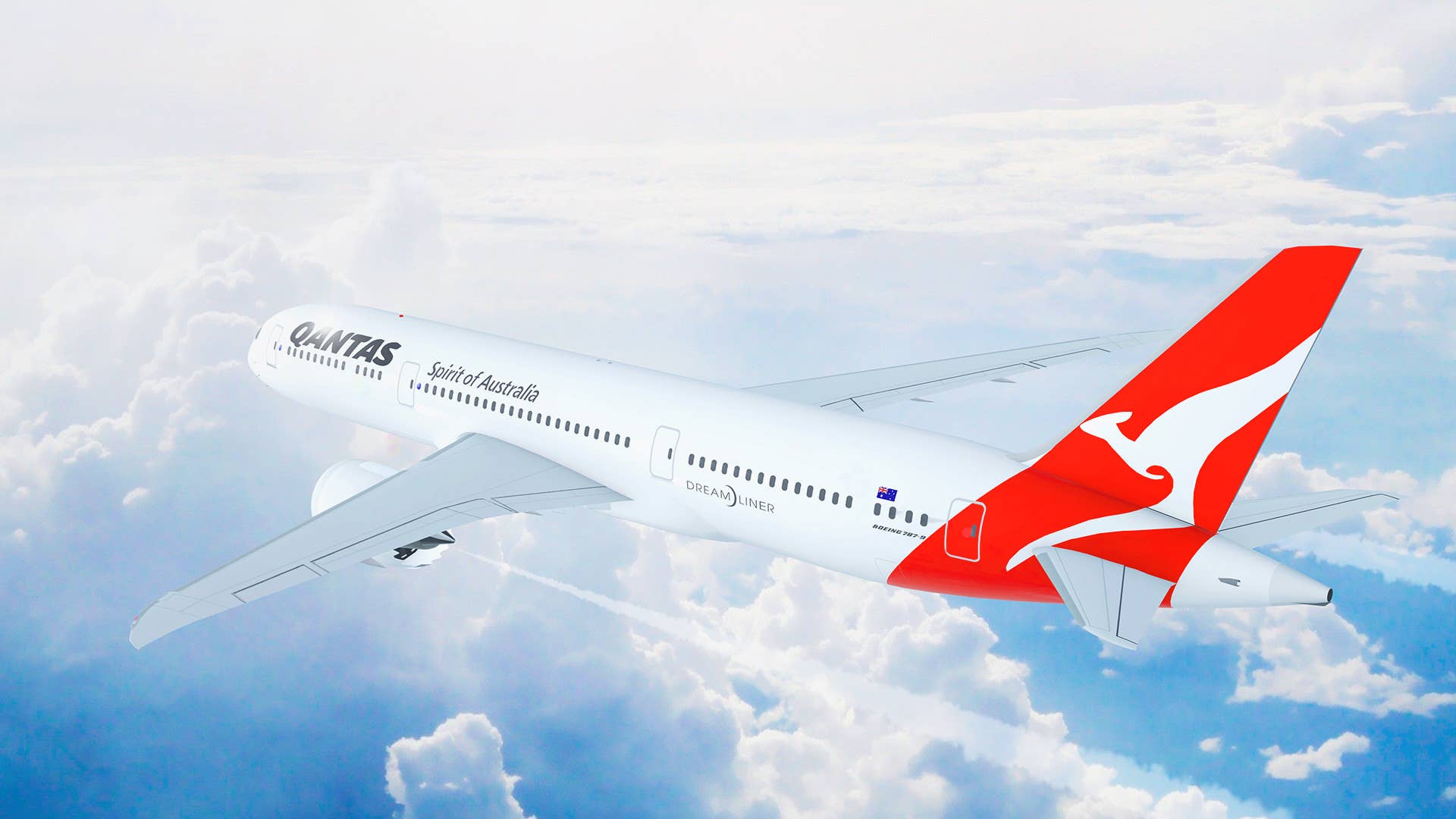
The rollout of the digital version is currently being tested on select Qantas Airways flights landing in Sydney, Melbourne and Brisbane while a full rollout is expected to follow the current trial run as the Australian government pumps $56.1 million AUD ($39.30 million USD) into expanding the technology for digital declaration to more airports, airlines and seaports across the country.
Qantas travelers to Perth and Adelaide will, according to Albanese’s news release, be the next to be able to declare digitally. The form is currently filled out through a web-based form connected to their Qantas booking that then generates a QR code for Australian Border Force officers to scan. The current plan is to expand the process to a web application and apps used by more airlines including international ones.
“More time enjoying everything Australia has to offer”: Tourism Minister
In 2024, the Australian Chamber of Commerce drew attention to the paper card system as “antiquated.” Several attempts to digitize it in 2016 and 2022 ultimately failed to pan out due to the cost of rolling out the technology across all entry points into the country.
Australian Trade And Tourism Minister Don Farrell classified the changes as an easier border process that allows “visitors [to] spend less time filling out forms and more time enjoying everything Australia has to offer.”
More Travel News:
- Airline to launch unusual new flight to Cayman Islands from the U.S.
- There is a very cool Irish version of swimming pigs in the Bahamas
- Unexpected country is most luxurious travel destination for 2026
- Low-cost airline launches easier way to get to Sri Lanka
The Albanese government said that a digital program will also “increase data quality for risk assessments, allow for rapid updates and management of global risks and events, such as biosecurity outbreaks.”
This means that, if the technology is rolled out correctly, it will also be able to block a passenger whose declaration has been flagged more easily and identify travelers from specific countries should there be a sudden change in entry rules in events like a pandemic or other global crisis.
Related: Low-cost airline launches easier way for Americans to reach Brazil