Microsoft has been one of the worst large-cap tech stocks of 2026. While Nvidia kept climbing and the broader market recovered from its early-year lows, Microsoft went the other direction. The stock has shed roughly a fifth of its value this year, even as Azure kept growing and the AI business kept expanding.
Investors who expected the company’s AI push to show up in the share price by now have been frustrated. The spending has been enormous. The growth has been real. The stock has moved in the wrong direction anyway.
Bank of America analyst Tal Liani published a preview note on July 17 ahead of Microsoft’s (MSFT) fiscal fourth-quarter earnings on July 29 and came away more bullish, not less. He kept his Buy rating and his $500 price target, raised his earnings forecasts for the next two fiscal years, and laid out exactly what the company needs to deliver for the stock to start recovering.
Why Bank of America has a Buy rating on Microsoft stock ahead of July 29 earnings
The core of Liani’s argument is valuation. Microsoft is trading at roughly 19 times his 2027 earnings estimate. Its five-year average multiple is 29 times. That gap, in his view, reflects anxiety about near-term capital spending rather than anything fundamentally wrong with the business.
He thinks the market is discounting Microsoft’s long-term earnings power more than it should, and that the July 29 print is a chance for the company to start closing that gap.
More Microsoft:
- Microsoft offers laid-off employees generous package
- Microsoft’s retirement offer is a wake-up call for workers
- Microsoft cuts thousands as Xbox faces rude awakening
His $500 target is based on 24 times his 2027 earnings estimate, a premium to the peer group. He raised those estimates heading into earnings, reflecting more confidence that Azure growth will accelerate as new computing capacity comes online.
About 95% of analysts covering the stock have a Buy rating, as TheStreet reported. The median price target across the Street sits well above Bank of America’s $500 target, suggesting Liani is actually on the more conservative end of the bull camp.
Azure cloud growth is the one number Microsoft investors are watching most
Microsoft told investors to expect Azure revenue growth in the high-30s to 40% range for the quarter. Bank of America models growth right in the middle of that guidance. Liani is direct about what happens if that number misses.
“Azure YoY growth at or above the 39-40% is needed for the stock to work,” he writes. “A miss could intensify concerns around AI ROI.”
The demand picture isn’t the worry. Customers want Azure capacity. The problem is supply. Microsoft has been building data centers as fast as it can, and the Fairwater facility in Wisconsin just came fully operational, which should start converting waiting customers into recognized revenue.
The company’s commercial backlog, the contracted business customers have signed for but not yet received, nearly doubled over the past year to a level that represents years of potential revenue. Management says it expects roughly a quarter of that backlog to convert into actual revenue over the next 12 months. If that conversion accelerates in Q4, it answers the main question the market has been asking all year.
Microsoft AI spending is massive and free cash flow is paying the price
The other thing investors are watching closely is capital spending.
Microsoft’s total infrastructure investment for fiscal 2026 is expected to reach roughly $190 billion, a figure the company confirmed on its Q3 earnings call and attributed partly to soaring memory costs, according to CNBC.
That’s being directed primarily at AI computing capacity, meaning data centers, chips, and the hardware needed to run the models that enterprise customers are increasingly relying on.
The cost of that spending shows up in free cash flow, which Bank of America expects to fall sharply compared to a year earlier. The company is trading near-term cash generation for long-term capacity it believes will generate significantly more revenue once fully deployed.
Investors have accepted that tradeoff so far, but their patience isn’t unlimited.
If Azure growth slows while spending keeps climbing, the questions about AI return on investment get harder to answer, as TheStreet reported when Citi cut its price target earlier this month while maintaining its Buy.
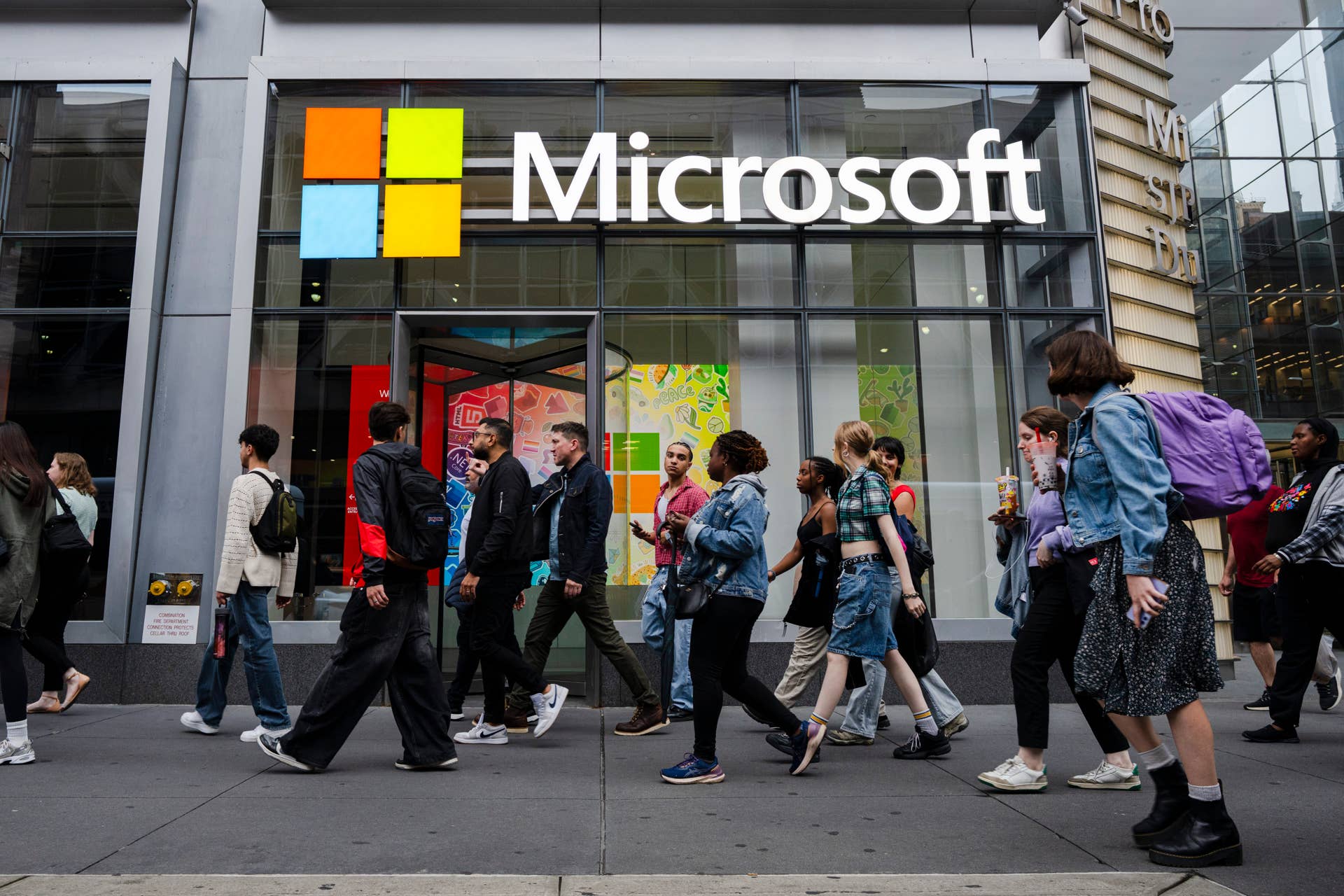
Craig/Getty Images
Copilot AI adoption and enterprise monetization as Microsoft’s next proof point
Beyond Azure, the other metric Liani is watching is Copilot.
Microsoft’s AI assistant for enterprise software crossed 20 million paid seats last quarter after adding five million users sequentially. The AI annual recurring revenue figure has more than doubled from a year ago. Those numbers matter because they measure whether AI is becoming a real revenue generator, not just a marketing story.
The pricing model is also changing. Microsoft is layering usage-based AI charges on top of its traditional software subscriptions. The idea is that the more customers use Copilot and other AI tools, the more they pay, without Microsoft having to go out and find new enterprise accounts to grow revenue.
It’s a good model if adoption keeps climbing.
The Q4 numbers will give the first real read on whether it’s actually working at scale. Microsoft also launched a higher-priced enterprise AI suite in May 2026, and if early adoption numbers show up in the print, that’s another sign the AI spend is turning into real pricing power rather than just a capability that customers get for free.
Three metrics that will define how Microsoft stock trades after July 29 earnings:
- Azure growth rate: This is the one number Bank of America says the stock needs to work. Growth in line with or above the company’s own guidance would confirm that new capacity is converting demand into revenue. A miss, even a modest one, would reignite the AI return on investment debate and likely push the stock lower.
- Capital expenditure guidance for fiscal 2027: Investors already know what Microsoft spent this quarter. What they don’t know is whether that spending is about to slow down or keep accelerating into next year. Management’s commentary on the fiscal 2027 capex outlook may matter more than any single revenue number on the page.
- Copilot seat and AI revenue growth: If paid Copilot seats keep climbing and AI annual recurring revenue keeps accelerating, it tells investors that enterprise customers are paying for AI, not just experimenting with it. That shift from experimentation to committed spending is what turns an infrastructure story into a durable earnings story.
What Bank of America’s Microsoft call means for the broader AI trade
Microsoft enters July 29 as one of the clearest tests of whether the AI investment cycle is producing real financial returns. The chip companies already proved their part of the thesis. The hyperscalers, the companies buying all those chips and turning them into cloud services, are the next link in the chain. Microsoft is the first of the big ones to report this earnings season.
If Azure maintains its growth pace, Copilot adoption keeps building, and management provides credible guidance on when the spending starts moderating, the stock has a reasonable path toward recovery from its year-to-date lows.
If any of those pieces disappoint, the skeptics who have been shorting large-cap software all year get more ammunition. Bank of America is betting on the former. The market will find out which camp was right on July 29.
Related: Bank of America sends strong verdict on Microsoft stock