One of Berkshire Hathaway’s less-talked-about investments has been enjoying a remarkable stock market comeback.
SiriusXM, the satellite-radio giant in which Berkshire holds a stake of more than 37%, has seen its shares surge following stronger earnings, bullish analyst upgrades and renewed investor optimism.
The dividend-paying stock even touched a new 52-week high in early November, offering shareholders plenty to celebrate.
But the momentum was short-lived.
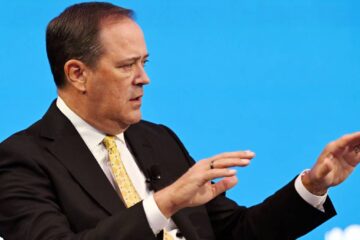
SiriusXM announced a major leadership change on Nov. 9, revealing that longtime CEO Jennifer Witz would step down and streaming veteran Anjali Sud would take over in January.
The announcement came just days after Berkshire Hathaway disclosed another round of share purchases.
Meanwhile, another influential investor, billionaire John Malone, was selling millions of SiriusXM shares.
SiriusXM closed at $31.85 on Friday, Nov. 13, ending the week down 1.70%, after gaining about 17% over the past month and being up over 59% year to date.
The contrasting developments raise an important question about a stock that has attracted substantial investment from Berkshire: Can SiriusXM turn its recent financial recovery into sustainable growth?
SiriusXM stock retreats after touching 52-week high
SiriusXM’s latest rally began after its Oct. 29 third-quarter earnings release.
Shares closed at $27.32 the day before, then jumped nearly 5% following the results.
The gains accelerated in November, with the stock surging 8.44% on Nov. 4, closing at $33.40.
A day later, shares touched $33.76, their highest intraday price in 52 weeks and approximately 71% above their January low of $19.77.
More Investing:
- How smart investors use ETFs to legally bypass IRS wash sale rules
- Vanguard renames key funds to highlight Morningstar benchmarks
- Popular ETFs carry hidden tax rules that surprise retail investors
However, the rally began losing momentum before the leadership announcement. Shares rose 0.83% on Nov. 9, the day the company announced its CEO transition, before slipping 1.32% the following day.
For everyday investors, these movements could have made a noticeable difference.
For example, someone holding 100 SiriusXM shares would have seen the value of their investment rise from $2,732 on Oct. 28 to a peak of $3,376 on Nov. 5, representing a hypothetical paper gain of $644.
By Friday’s close, those shares were worth $3,185, meaning $191 of the peak gain had disappeared, although the investment remained $453 above its pre-earnings value.
These figures exclude dividends and assume the investor held the shares throughout the period.
Berkshire Hathaway continues backing SiriusXM
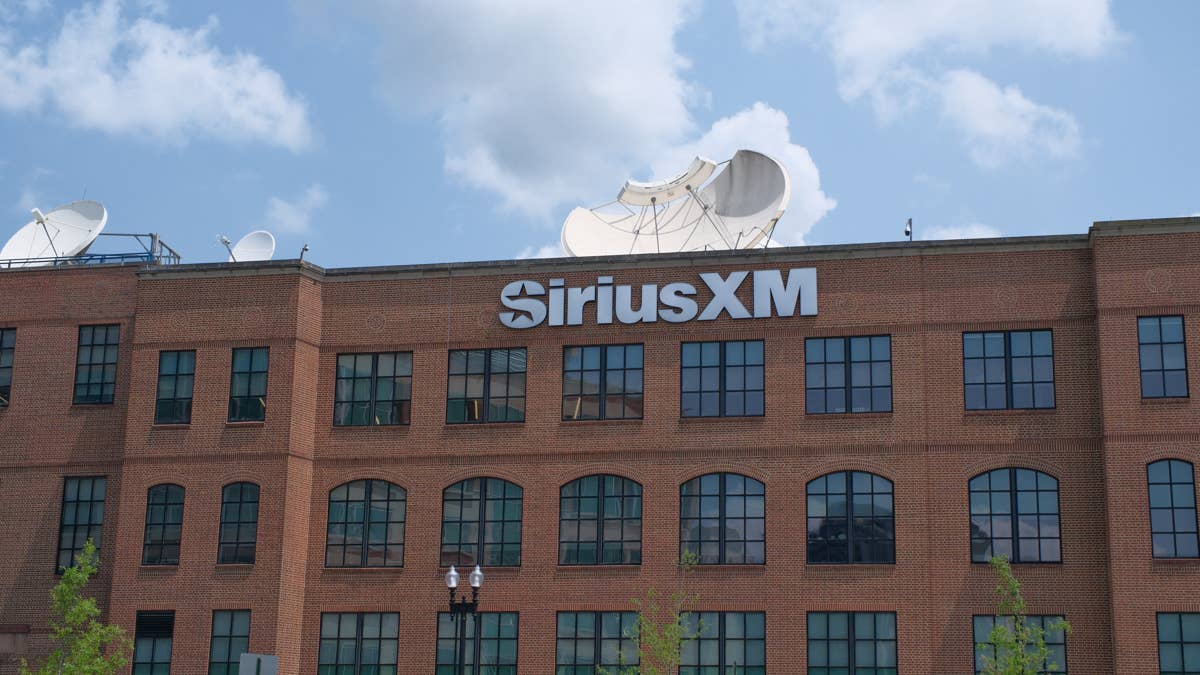
One of the most prominent investors, Berkshire Hathaway, has a history with SiriusXM dating back nearly a decade, although its investment has not been continuous.
The conglomerate first acquired SiriusXM shares in 2016, exited its position in 2021 and returned to the stock in 2023. Its ownership expanded substantially following SiriusXM’s 2024 restructuring involving Liberty Media.
By April 2026, Berkshire held approximately 124.8 million shares, representing 37.1% of SiriusXM’s outstanding stock, according to the company’s proxy statement.
Berkshire was buying again recently.
A Nov. 3 SEC filing disclosed the purchase of 924,281 additional SiriusXM shares between Oct. 30 and Nov. 3, increasing Berkshire’s stake to 125.7 million shares, or about 37.4% of the company.
However, not every major shareholder was adding to their holdings.
A separate SEC filing revealed that a trust controlled by media billionaire John Malone sold 2 million SiriusXM shares on Nov. 6, generating approximately $65 million.
The sales reduced Malone’s reported beneficial ownership to 4.8%, below the 5% threshold.
SiriusXM has paid regular dividends for a decade
SiriusXM’s appeal to investors extends beyond the recent stock rally.
The company began paying regular quarterly dividends in November 2016 and has maintained them since. Most recently, SiriusXM declared a dividend of $0.27 per share, payable Nov. 23 to shareholders of record on Nov. 6.
At the current quarterly rate, SiriusXM pays an annualized dividend of $1.08 per share.
Based on Friday’s closing price of $31.85, that represents a dividend yield of approximately 3.39%.
For someone holding 100 shares, the current dividend rate would translate into $108 annually, before taxes, assuming payments remain unchanged.
Berkshire’s much larger investment could generate approximately $135.8 million in annual dividend income at the same rate.
The dividend provides a source of income beyond share price appreciation, although future distributions remain subject to board approval.
Wall Street remains divided over SiriusXM’s recovery
Several analysts have become more optimistic about SiriusXM’s prospects following its latest earnings report.
Goldman Sachs analyst Stephen Laszczyk upgraded the stock from Neutral to Buy in early November, raising his price target from $33 to $37. Goldman highlighted the value of SiriusXM’s spectrum assets and its expanding advertising opportunities through YouTube.
The firm estimated that third-party advertising partnerships could contribute $1 billion in revenue and $125 million in adjusted EBITDA by 2030.
Rosenblatt also raised its price target from $46 to $47, maintaining a Buy rating.
However, Bank of America offered a more cautious assessment.
The firm raised its target to $27 from $24 but maintained an Underperform rating, warning that it “still would not call it a durable turn” and anticipating a more challenging fourth quarter.
The disagreement reflects SiriusXM’s mixed operating performance.
According to its third-quarter earnings release, revenue declined slightly to $2.15 billion, while net income increased 7% to $317 million.
Free cash flow rose 14% to $293 million.
Yet SiriusXM added just 5,000 net self-pay subscribers during the quarter, and Pandora’s monthly active users declined 7% year over year to 38.8 million.
The figures suggest that improving profitability has yet to produce meaningful audience growth.
SiriusXM makes another leadership change
Against that backdrop, SiriusXM is preparing for a new chapter.
The company announced Nov. 9 that Witz, who has spent nearly 25 years with SiriusXM, would step down as CEO on Dec. 31.
Anjali Sud, 43, currently CEO of Fox-owned streaming platform Tubi, will take over on Jan. 1, 2027.
Sud has served on SiriusXM’s board since March 2025 and previously led Vimeo.
Under her leadership, Tubi expanded to 110 million monthly active users, with nearly 60% of its audience consisting of Gen Z and millennial viewers.
Her experience could be particularly valuable as SiriusXM seeks to attract younger listeners accustomed to streaming and on-demand entertainment.
The company also disclosed another executive appointment on Nov. 13, naming former Xerox executive William Twomey as chief accounting officer, effective Dec. 1.
For investors, SiriusXM’s leadership transition comes at a moment of renewed optimism about its financial prospects.
Berkshire Hathaway’s substantial stake, the company’s dividend payments and new advertising opportunities offer reasons for optimism. But slowing subscriber growth and mixed analyst expectations show that the turnaround is not assured.
The challenge for SiriusXM’s incoming leadership will be turning a business known for satellite radio into one that can attract the next generation of listeners.