The June Consumer Price Index (CPI) report is out, as everyone tries to understand where the economy sits.
In the past month, oil, retail, travel demand, and geopolitical tensions have been at the top of consumers’ minds.
Together, they raised questions about where consumer prices are headed.
And the recent June inflation report delivered some answers, along with a familiar frustration.
The Consumer Price Index fell 0.4% in June after rising 0.5% in May, the Bureau of Labor Statistics said.
It was the largest monthly decline in consumer prices since April 2020.
Annual inflation also cooled sharply to 3.5% from 4.2% a month earlier.
But overall prices were still 3.5% higher year over year, showing why many households may not feel as much relief as the headlines suggest.
The decline looks encouraging, but it does not mean prices have suddenly fallen everywhere consumers spend money.
Gas prices give household budgets a break
Gas, clothing, and used vehicles became cheaper, giving households some relief after months of rising costs.
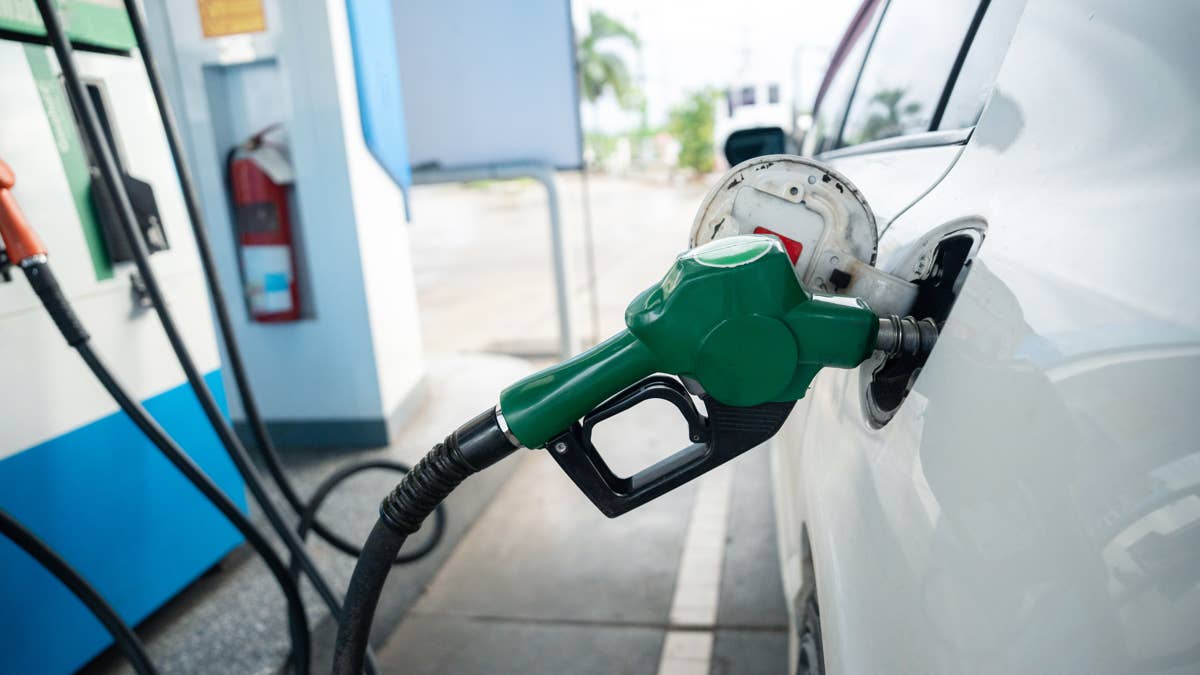
Energy drove much of June’s improvement.
The energy index fell 5.7%, led by a 9.7% drop in gasoline prices.
More Economy:
- JPMorgan doubles down on economy, inflation outlook
- Central bankers grow nervous about AI funding
- BofA sees new trends forming in the K-shaped economy
The electricity index also fell 1%, after seasonal adjustment. Before the adjustment, electricity prices actually rose 1.5% from May.
Fuel prices matter beyond the pump because they affect shopping, delivery, and other costs that end up showing at the register.
And consumers have to pay for it through higher prices for goods and services alike.
The June decline followed months of sharp increases in energy prices.
Gasoline prices had climbed 7% in May alone and remained 26.7% higher than a year earlier.
As TheStreet previously reported, rising fuel and business costs had raised concerns that retailers, restaurants, and other companies could eventually pass more expenses to consumers.
June’s drop reduces some of that immediate pressure.
However, grocery bills continue to climb.
Retail prices finally move in the right direction
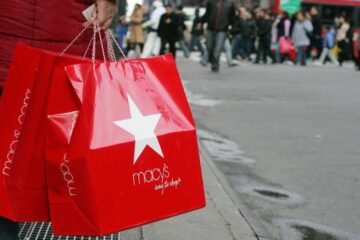
Shoppers also found relief in several discretionary categories.
Apparel prices fell 0.6% in June, while used-car and truck prices declined 0.2%. New vehicle prices remained unchanged.
BofA found broader weakness across core goods, with apparel prices falling sharply and household furnishings and supplies declining for a fourth consecutive month.
The firm said the results offered more evidence that tariff-related price increases may have largely run their course.
That could be good news for retailers and their customers.
Companies like Walmart spent much of the past year deciding whether to absorb higher import costs, reduce promotions, or raise prices.
If merchandise and transportation costs keep easing, retailers may have more room to offer discounts or avoid another round of increases.
But BofA warned that demand for artificial-intelligence infrastructure and elevated oil prices could push some goods prices higher again later this year.
Grocery bills remain stubborn
Food was the biggest exception to June’s relief.
Grocery prices rose 0.2% during the month and were 2.7% higher than a year earlier.
Restaurant prices also increased 0.2% in June and 3.4% annually.
That divide helps explain why the headline inflation number may feel disconnected from consumers’ everyday experience.
Drivers notice when filling a tank becomes cheaper, but shoppers encounter grocery prices every week.
Food is also harder to delay or avoid than clothing, furniture, or a vehicle purchase.
As TheStreet previously reported, persistent food inflation has already pushed consumers to shop sales, buy more private-label goods, and become more selective about what they put in their carts.
Housing also offered another small sign of relief, although costs did not fall.
Shelter prices increased 0.1% from May, their slowest monthly increase in more than 5 years.
But they remained 3.3% higher than a year earlier, indicating slower price growth rather than lower rents.
BofA warns the inflation drop may not last
BofA called the June CPI report a major downside surprise.
Core inflation, which excludes food and energy, slipped 0.02% before rounding. It was the first monthly decline since March 2017 and only the seventh negative reading since January 1985.
However, the firm does not expect that unusual result to repeat.
June’s decline was helped by several large moves, including a 2.3% drop in lodging away from home, which may prove temporary.
BofA expects monthly inflation to return to roughly 0.2% to 0.3% in the coming months.
The softer inflation report also matters beyond store shelves.
It sharply reduced expectations that the Federal Reserve would raise interest rates in July, giving policymakers more time to assess whether inflation is truly cooling.
That could eventually influence borrowing costs for credit cards, auto loans, and mortgages, although one encouraging report is unlikely to bring consumers immediate relief.
For consumers, June was a good but uneven month.
The pump became cheaper, and prices moved in the right direction across several retail aisles, but the supermarket checkout offered less reason to celebrate.
Related: 99-year-old convenience store chain closing 645 stores