Consumers today are feeling squeezed from multiple directions.
Food prices continue to rise, gasoline is getting more expensive, and even shoppers who have avoided making major changes to their spending are being forced to pay closer attention to where every dollar goes.
The latest Consumer Price Index data underscores the pressure. Overall consumer prices increased 3.4% over the 12 months through August, while food prices rose 2.7%.
Gasoline prices were an even bigger problem, jumping 3.9% in August alone and 27.4% from a year earlier.
That environment makes a seemingly small change from Dollar General particularly interesting.
Dollar General is expanding same-day delivery through Instacart while allowing customers to pay the same product prices online that they would pay in its stores.
The partnership initially covers about 7,000 Dollar General locations, with plans to reach roughly 20,000 stores this fall.
Read more: Dollar General makes changes to cut shoplifting, shrink
Dollar General sees delivery as more than convenience
Delivery models commonly include a per-item markup. That’s the cost of that convenience.
Dollar General clearly sees things differently.
The retailer has spent years building a footprint in rural and underserved communities, with more than 21,000 stores and roughly 75% of the U.S. population living within five miles of a location, as the company reported on its most recent earnings call.
That physical presence gives Dollar General an unusual advantage when it comes to fulfilling local delivery orders.
But the company isn’t treating delivery simply as a service for existing shoppers. Rather, it’s using it to attract new customers.
And the company is opting to avoid markups to maintain the value proposition that’s likely to win more people over.
During Dollar General’s most recent earnings call, CEO Todd Vasos said, “We estimate we have already seen more than 1 million new customers first engaged through our delivery and then become an in-store shopper at Dollar General.”
If that momentum continues, Dollar General could benefit financially even if it’s not charging extra for home delivery.
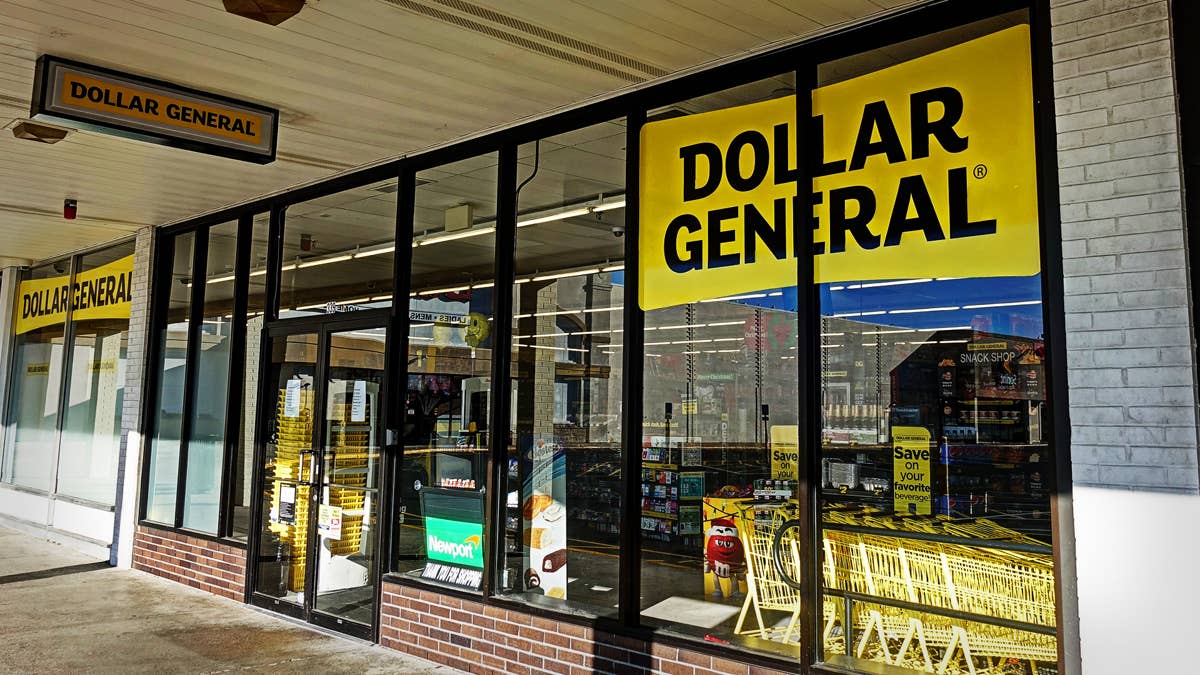
Image source: Shutterstock
The real value is keeping customers loyal
Offering delivery is a great way for Dollar General to keep up with competitors like Target and Walmart.
But the company’s delivery expansion also protects its position as a convenient, low-cost neighborhood retailer.
The company said its delivery offerings are generating about 80% sales incrementality, meaning much of that business represents sales it might not otherwise capture.
Vasos put the opportunity even more clearly on the earnings call. “Our delivery platforms are also becoming a more meaningful sales driver as digitally engaged and delivery customers are more than twice as productive as our non-digitally engaged customer,” he said.
More Retail:
- Costco sees major shift in member behavior
- Retail chain shuts all locations as legal changes hit industry
- Costco makes major investment in online shopping for members
For Dollar General, removing product markups could mean giving up some revenue per delivery order. But the potential payoff is greater customer acquisition, larger basket sizes, and stronger loyalty.
For shoppers facing higher grocery and gasoline bills, meanwhile, the benefit is simpler.
Getting Dollar General prices without having to make the trip could be one of the few conveniences that doesn’t make an already strained household budget even tighter.
Related: Albertsons, Dollar General can’t match Walmart’s grocery prices