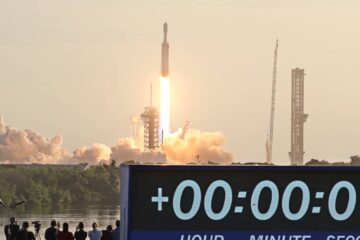
Few deals have done more for Intel’s story this year than its seat at Elon Musk’s chip table.
Intel joined the Terafab project on April 7. It was the first major outside commitment for a foundry business that had only ever made chips for itself.
The stock more than doubled that month, its best on record. Musk also confirmed on Tesla’s first-quarter earnings call that Terafab will use Intel’s 14A process.
Now Musk has invited a far bigger name into the conversation. In a post on X, he confirmed that Terafab is in talks with Taiwan Semiconductor Manufacturing. He called them early discussions, but said something may come of them.
Also read: Elon Musk delivers 6-word warning on future of employment
What Musk actually confirmed
The talks first surfaced in Tim Culpan’s Culpium newsletter. TSMC has not commented publicly. One possibility is that TSMC would build and run a plant serving only Tesla, SpaceX and xAI. The ownership setup is far from settled.
That is what makes the news uncomfortable for Intel. Intel is the only other named partner and is reportedly supplying its 14A manufacturing process for Terafab’s chips.
If TSMC joins, Intel’s process could be dropped in favor of TSMC’s own technology, according to CNBC. Intel does hold a cross-patent license with TSMC that Terafab lacks, which could complicate any use of an Intel-developed process.
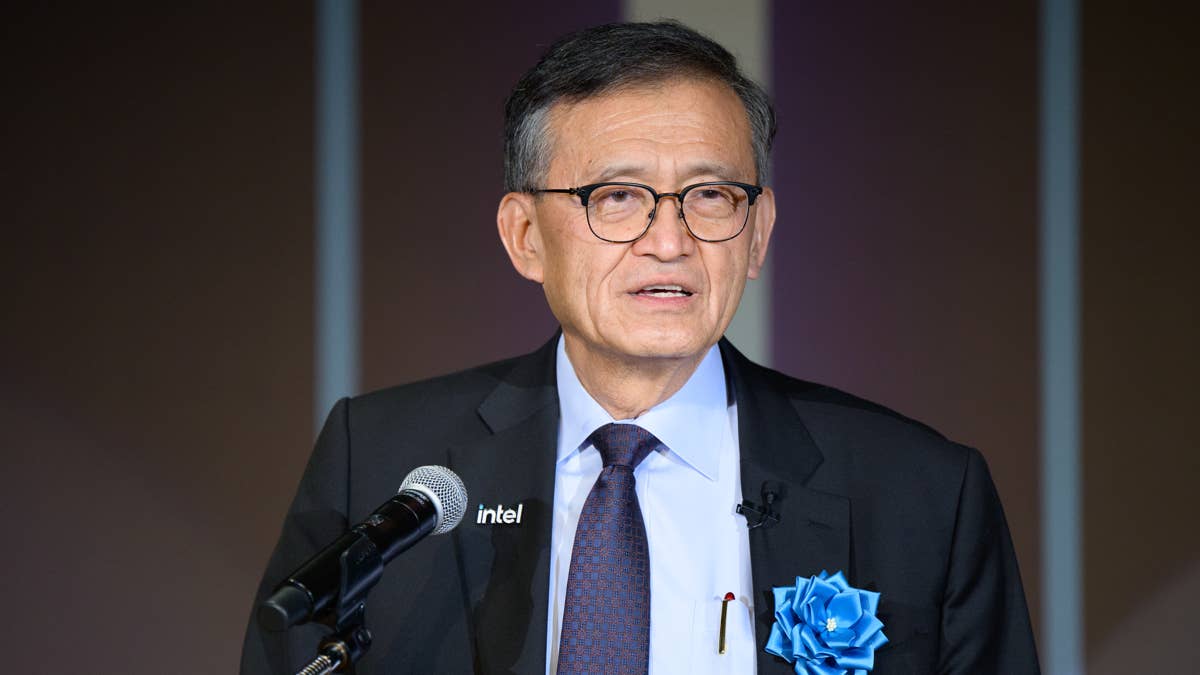
Intel is not walking away. Chief Executive Lip-Bu Tan said the company will keep working with Musk on Terafab, according to Reuters. Speculation about a TSMC partnership had worried investors.
TSMC also has its own American expansion underway. It is reportedly weighing several new chip plants in Texas, each costing at least $20 billion. That is on top of an existing plan to invest $265 billion in the U.S. TSMC also dominates the market for advanced chip packaging.
Why Musk needs so many chips
Terafab is not a small side project. Tesla, SpaceX and xAI launched it in Austin on March 21 as a joint venture to make AI chips near Giga Texas. The goal is to combine logic, memory and advanced packaging in one place, cutting reliance on suppliers such as TSMC and Samsung. Tesla’s AI5 chip is among the first products it is designed to make.
Musk frames it as a matter of survival. “We either build the Terafab, or we don’t have the chips,” he said. He added that every existing fab on Earth produces only about 2% of what Tesla and SpaceX will eventually need. His big announcements have often come with overly ambitious timelines.
The plan calls for two kinds of chips. One would run self-driving software and Optimus robots. A version hardened for the space environment would power the orbital data centers SpaceX wants to build. The ultimate goal is a terawatt of computing capacity a year.
The targets behind that demand are huge. SpaceX plans to launch orbital data centers within a couple of years. Tesla wants to build 1 million Optimus robots a year within five years, as reported by The Motley Fool. Tesla also sees room to grow car production as its robotaxi service expands. Neither TSMC nor Intel can supply that much on its own today.
Intel’s foundry still needs outside customers
The foundry business is growing, at least on paper. Intel Foundry brought in $5.8 billion in the second quarter, up 31% year over year. Its operating loss also narrowed. Most of that money comes from Intel itself. External foundry revenue was only $293 million in the quarter.
The 14A process is progressing faster than the previous node did at the same stage. Risk production is targeted for 2027, according to Nasdaq. Intel’s total revenue rose 25% to about $16.1 billion, well ahead of forecasts.
More Intel:
- Meta Muse gives AMD and Intel investors a reason to cheer
- Intel’s $20 billion stock sale has surprising upside
- Nvidia just sent a strong signal to AMD and Intel investors
That is the gap Wall Street keeps pointing to. Mizuho analyst Vijay Rakesh sees advanced-packaging revenue reaching about $3.5 billion by 2029 as 14A gains traction. The absence of outside customer commitments for Intel’s current 18A process has weighed on the stock.
Building that business is expensive. In August, Intel announced a $15 billion stock offering, possibly its first public equity sale since it listed in 1971. It also raised its 2026 capital spending plan above $20 billion.
What it means for Intel shareholders
The stock has already priced in a lot of hope. Intel hit an all-time high near $142 in late June, its first record since August 2000. A preliminary chipmaking deal with Apple helped drive that move.
Related: AT&T CEO holds firm stance on Elon Musk’s SpaceX phone strategy
It has been a bumpy ride since. Intel traded around $96 in early September, roughly 32% below its June peak. Mizuho cut its price target to $92 while keeping a hold rating. Rakesh still sees a chance that server processor supply stays tight through 2027.
Valuation leaves little room for disappointment. The shares have surged sharply since early April. A threat to one of its biggest catalysts would make that price harder to justify.
Intel could still lead Terafab’s manufacturing with TSMC in a supporting role. But Musk’s confirmation shows that the deal is no longer Intel’s alone.