While it seems like a small thing, losing a favored beverage takes away a small bit of affordable comfort.
Starbucks, for example, used to sell a Cool Lime Refresher. It was a light, easy-to-drink, low-caffeine option that I probably ordered twice a week. When it was discontinued in 2018, I lost an afternoon ritual that provided a needed respite from work.
Beverage companies, however, have to make decisions about killing slower-selling brands all the time, and in many cases, drinks simply disappear. That’s a harsh blow for consumers who don’t get a chance to stock up or say goodbye.
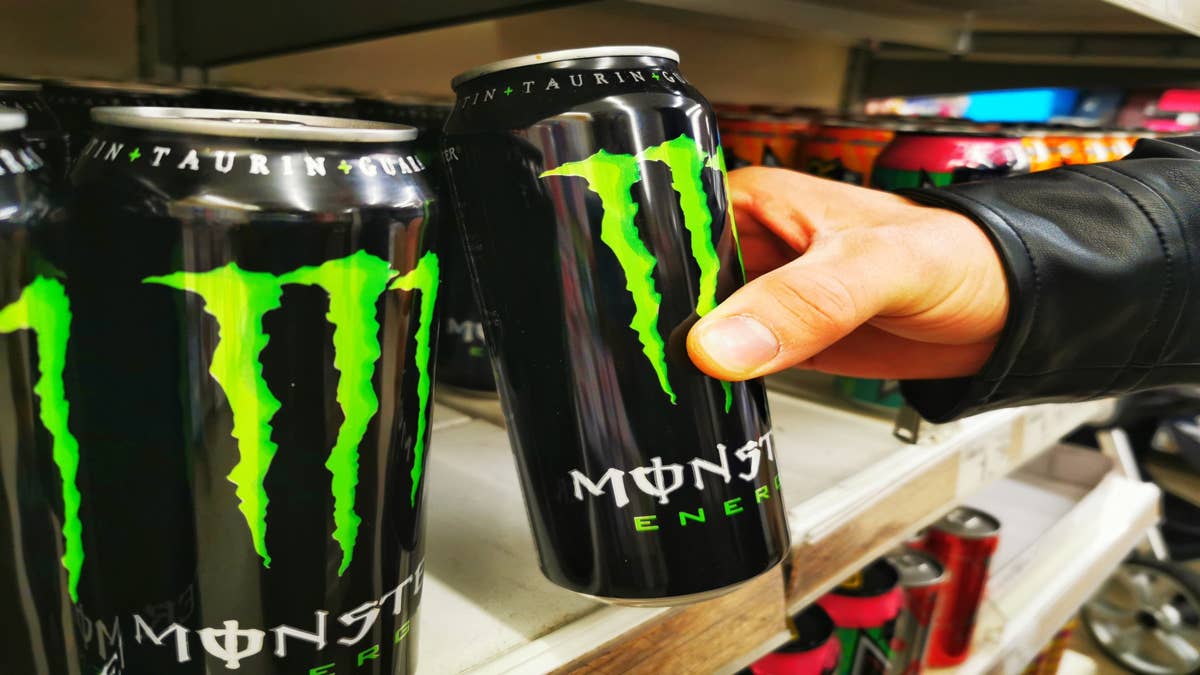
Monster, the energy drink company partially owned by Coca-Cola, is giving fans some time to stock up. It plans to remove 12 drinks from stores before the end of the year.
Monster discontinues 12 energy drinks
Monster, which is partially owned by Coca-Cola, will be pulling 12 drinks from stores “for good,” according to Sporked.
Monster has not publicly confirmed the list or a specific removal timetable.
“First things first: Don’t panic, because there’s still some time to catch the 12 Monster, NOS, Bang, and Reign drinks listed below in stores. They are being discontinued, but not necessarily disappearing tomorrow,” Sporked added.
In total, Monster has plans to pull 12 drinks from stores for good. Here’s the complete list of what’s being discontinued ahead of 2027:
- Monster Ultra Fantasy Ruby Red
- Monster Juice Monster Rio Punch
- Java Monster Cafe Latte
- Rehab Monster Green Tea
- Java Monster Irish Creme
- Monster Nitro Super Dry
- NOS Zero Sugar
- Bang Star Blast
- Bang Cotton Candy
- Bang Blue Razz
- Reign White Haze
- Reign Cherry Limeade
“With a full calendar of 2027 new flavor releases already planned through mid-year, 2026’s discontinued flavors will head out before January 1. So, odds are you’ll start seeing stock run low at stores once we get deeper into fall. Once the drinks start to disappear at retailers, they won’t be replenished,” Sporked added.
Losing a favorite drink hurts
In some cases, as we’ve seen with Coca-Cola, PepsiCo, and Starbucks, certain drinks get discontinued, only for them to be brought back. As a consumer, however, you don’t know that’s the plan when it’s happening, and it’s normal to feel the loss, RTM Nexus CEO Dominick Miserandino told TheStreet.
“You’re allowed to be annoyed when your favorite drink disappears. Maybe it’s what you grab on the way to work or the little thing you look forward to in the afternoon. Now you’re standing in front of a cooler full of drinks, and none of them is the one you want,” he shared.
Julio Sevilla, associate professor of marketing at the University of Georgia Terry College of Business, studies how marketers use the perception of scarcity to generate demand for their products. Companies, she noted, understand the value of removing a product, then bringing it back later.
“There are a series of advantages to these promotions, but the overarching theme is that consumers are persuaded by the way they perceive value, and they’re more likely to value a product if marketers make their products seem scarce,” he told a University of Georgia publication.
What can fans do to get their favorite drinks back?
Companies like free publicity, and social media campaigns, protests, and petitions have worked. That, however, is not always true.
The SaveTaBSoda Committee is a group of fans of the diet beverage who want to force Coca-Cola to bring it back.
“We’re TaB drinkers on a mission to save our soda. The SaveTaBSoda Committee was formed in October 2020, shortly after the Coca-Cola Company announced the planned discontinuation of TaB soda,” the group shared on its website.
Coca-Cola, however, did bring Surge, a lemon-lime soda it discontinued in 2002, back in 2014 after a fan campaign.
“Fans weren’t happy when this happened, some even creating a Facebook page to try to persuade Coke to bring the drink back. The SURGE Movement — that’s what the group of fans call themselves — even raised enough money to buy a billboard in hopes of capturing Coke’s attention,” Scripps News reported.
That worked, to an extent, as Coca-Cola did bring Surge back, but only sold it on Amazon for a limited time, the Today Show reported.
PepsiCo did something similar with Crystal Pepsi.
“Crystal Pepsi fans, and their enthusiastic requests for its return, inspired Pepsi to bring back this iconic ‘90s product for the holiday season,” Linda Lagos, marketing director at PepsiCo, said in a statement to Time.
That was a very limited return, since it was not sold in stores and cases were given to contest winners.
Coca-Cola’s relationship with Monster
Coca-Cola bought a piece of Monster Beverage Corp. in June 2015.
“As a result of the transaction, The Coca-Cola Company now owns an approximate 16.7% stake in Monster,” Coca-Cola shared in a press release.
The deal also involved Coke sending some of its brands to Monster and Monster transferring ownership of some of its brands to Coca-Cola.
“The Coca-Cola Company transferred ownership of its worldwide energy business, including NOS, Full Throttle, Burn, Mother, BU, Gladiator, Samurai, Nalu, BPM, Play and Power Play, Ultra and Relentless, to Monster, and Monster transferred its non-energy business, including Hansen’s Natural Sodas, Peace Tea, Hubert’s Lemonade and Hansen’s Juice Products, to The Coca-Cola Company,” the company shared in the press release.
Related: Kroger’s new credit card fixes a rewards program problem