The biggest return in the U.S. market this year came from the cost of moving oil across the ocean.
The Breakwave Tanker Shipping ETF (BWET) has climbed about 3,600% since the start of the year. That makes it the top-performing non-leveraged fund in the country, ahead of every AI and energy trade that grabbed headlines.
BWET now trades near $726 a share, up from under $20 in January. The huge increase traces back to one event that reshaped global shipping, and it carries a warning for anyone tempted to buy in now.
How the Breakwave Tanker Shipping ETF actually makes money
BWET tracks the price of moving oil by sea. It does that by holding short-dated freight futures, which are contracts that lock in the future cost of renting an oil tanker.
About 90% of the fund follows shipping agreements with the biggest tankers on the route from the Middle East to China. Those agreements lift BWET whenever hiring rates increase.
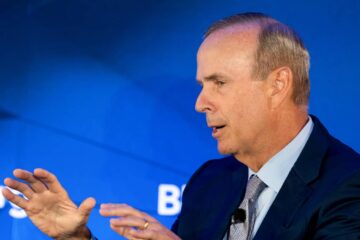
The fund launched in May 2023 as the first U.S. oil-tanker shipping ETF. Its manager, John Kartsonas, the founder and managing partner of Breakwave Advisors, has built the firm around the shipping industry.
What the Iran war did to shipping through the Strait of Hormuz
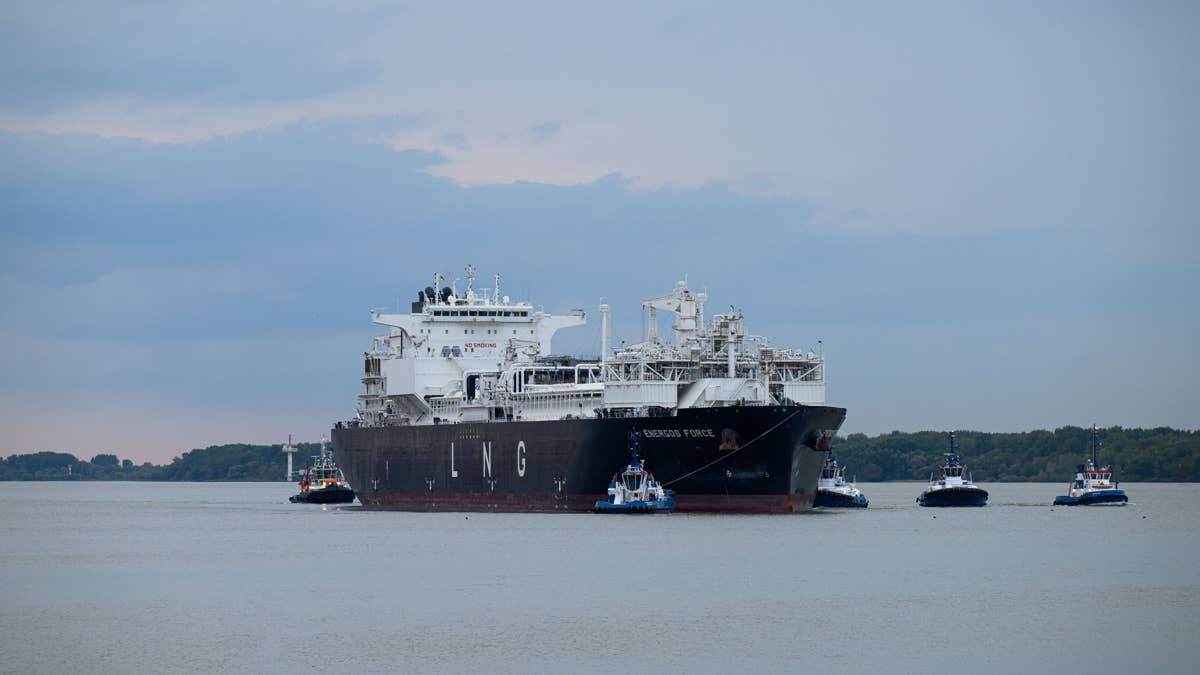
The rally began with the war between the United States and Iran, which started with joint U.S. and Israeli strikes on Feb. 28, 2026. Iran responded by restricting the Strait of Hormuz, which is the narrow channel that normally carries about a fifth of the world’s oil.
Traffic through the Strait fell from more than 100 vessels a day to about five, Al Jazeera reported. Ships now take far longer routes, some sailing around Africa, which ties up tankers for weeks and leaves fewer available to carry cargo.
More Energy Stocks:
- Tesla stock investors stand to gain from U.S. power grid
- 147-year-old oil giant just made high-stakes bet in Venezuela
- Louis Navellier delivers hot take on rising bond yields
Due to the tankers taking longer routes, hiring rates jumped, and the benchmark rate for the Middle East-to-China route hit a record, CNBC reported. Pressure grew in early September when Iran-backed Houthi forces seized the Red Sea port of Mokha, threatening the main alternative route, according to NPR.
Wall Street expects the strain to last. “Markets are increasingly pricing a prolonged Mideast conflict,” said Daan Struyven, head of oil research at Goldman Sachs, who warned Brent could pass $120 in 2027 if shipping attacks worsen, CNBC noted.
What to weigh before buying BWET after a 3,600% run
Anyone considering BWET now is looking at a fund that has already climbed from under $20 to about $726. Buying after that kind of run means accepting the risk of entering near a peak.
The fund’s price depends on a tanker shortage that could ease quickly. A ceasefire, or the reopening of shipping lanes, would pull charter rates down fast, and BWET with them.
Also, because the fund constantly replaces expiring contracts with new ones, long-term investors face a steady drop in value once shipping markets calm down. On top of that, it carries a very high 3.5% yearly fee and issues a K-1 tax form, which means more complicated paperwork when doing your taxes.
Kartsonas has said most holders treat it as a short trade. Trading volume is high, but assets under management have barely moved, “which tells me that most of the folks are in and out,” Yahoo Finance reported.
For most investors, BWET works best as a short-term tactical position with a clear exit plan.
Related: Goldman Sachs sends strong warning to bond investors