Fox (FOX) just made the biggest move of its post-Disney era, agreeing to buy Roku for roughly $22 billion.
But the stock fell sharply the day the deal landed and kept sliding the next session, pushing Fox shares to a fresh 52-week low.
Now one of Wall Street’s most followed analysts has weighed in, and her verdict gives cautious shareholders something to watch.
What Bank of America said about Fox stock after the Roku deal
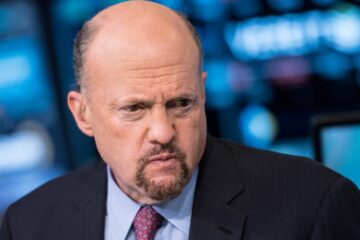
Bank of America Securities analyst Jessica Reif Ehrlich kept her sell rating on Fox and nudged her price target up to $54, as reported by TipRanks.
Ehrlich’s target tells investors what to watch. It sits just above where Fox’s more widely traded Class A shares closed and above the battered Class B stock, making this a verdict on the absence of near-term catalysts, not a call for more downside.
TipRanks credits Ehrlich, who covers communication-services names, including Netflix and Spotify, with an average return near 9% on rated stocks, so media investors tend to track her notes closely.
Why Fox shares fell after the $22 billion Roku purchase
Fox agreed to pay $160 per Roku share, splitting the payment between $96 in cash and 0.9693 of its Class A shares, according to the Fox Corporation announcement.
To fund the cash portion, Fox lined up a $12 billion loan, CNBC reported. A buyer taking on that much debt to acquire a target nearly its own size tends to spook the market, and it did.
More Entertainment Stocks:
- Netflix has a stunning milestone in sight for 2027
- Paramount makes bold legal move for Warner Bros. deal
- Disney’s next growth story isn’t parks or movies
Fox Class A shares dropped about 17% on announcement day and slid further the next session.
Existing Fox holders will own roughly 73% of the combined company, with Roku investors taking the rest, according to a Fox SEC filing.
The Roku logic and the catalyst gap Bank of America sees
Roku reaches more than 100 million streaming households and provides Fox with a connected-TV platform and first-party viewer data, according to The Hollywood Reporter.
That helps Fox lean less on shrinking cable bundles and more on streaming and digital advertising, the fastest-growing slice of media revenue.
Ehrlich flagged a catch, however. The deal will not close until the first half of 2027, the roughly $400 million in promised cost savings take years to show up, and a costly future NFL rights renewal could pressure profits along the way.
In plain terms, the reward won’t show up until 2027 and beyond, while the risks arrive sooner.
How Fox stock compares with the market right now
The sell-off looks worse next to a rising market.
The broader S&P 500 climbed the day the deal broke, while Fox was the index’s single worst performer, and the Nasdaq rose more than 2%, according to Fast Company.
Related: Fox to acquire streaming device maker for $22 billion
From a broader perspective, there are more signals suggesting traders should be cautious.
Fox has shed more than a quarter of its value so far in 2026, even though it trades at a modest price-to-earnings ratio near 13.
For value-minded buyers, the stock’s low price is attractive. For Ehrlich, it remains a value trap until the necessary catalysts arrive and drive some real motion.
What Fox investors should watch from here
Fox has run leaner since selling most of its entertainment assets to Disney in 2019, and the Roku deal is its boldest reinvention since.
The bull case is not broken, but it needs proof before the market re-rates the shares.
3 things that need to go right for Fox’s Roku bet
- Regulators clear the deal on schedule. Fox expects to close in the first half of 2027; delays would stretch the catalyst gap that analysts are uncomfortable with.
- The cost savings materialize. Fox is targeting about $400 million in annual savings, as detailed in its deal release, and investors will want early evidence.
- Advertising momentum builds. Forrester called ad revenue the heart of the deal, as reported by Yahoo Finance.
If these things line up, the bearish call starts to look weak. If not, a sell rating with a $54 target looks about right.
Related: Morgan Stanley revisits top entertainment company stock price target