For years, Frontier Airlines (ULCC) chased Spirit Airlines.
Frontier tried to buy Spirit in 2022, lost toJetBlue, then circled back for a second attempt that also fell apart.
Now Frontier can get the prize without the purchase.
Spirit ceased all operations on May 2, 2026, ending a 33-year run as America’s original ultra-low-cost carrier.
Spirit’s collapse hands Frontier something money could not buy, the exit of its fiercest price rival on more than 100 shared routes.
For travelers, that means fewer bargain seats and higher summer fares. For Frontier shareholders, it opens a rare window to gain market share and pricing power simultaneously.
Why Frontier is the biggest winner from Spirit’s shutdown
Frontier flew alongside Spirit on more overlapping routes than any other U.S. airline, putting it first in line to scoop up the demand Spirit left behind.
The company’s management moved fast. Within hours of the shutdown, Frontier rolled out systemwide “rescue fares” and began adding flights on former Spirit routes.
By early July, it had launched eight new routes that had previously been flown by Spirit, Frontier confirmed.
Frontier set introductory fares as low as $39 one way across cities like Boston, Detroit, Dallas, and Las Vegas.
More Airline Stocks:
- BofA sees Delta, United entering a rare airline sweet spot
- Raymond James makes surprising call on Delta Air Lines
- After the Chapter 11 shutdown, Spirit Airlines may make a comeback
The financial benefits are already showing up. On its first-quarter earnings call, Frontier said it expects unit revenue to climb more than 20% in the second quarter, CNBC reported.
The expectation was driven by strong travel demand, fuel-cost recovery, and Spirit’s departure.
Unit revenue measures how much money an airline pulls in for each seat it flies one mile. When a competitor vanishes, that number tends to rise because the remaining airlines can charge more.
Chief Commercial Officer Bobby Schroeter told analysts that Spirit’s exit alone supports a lasting 3% to 5% increase, Skift reported.
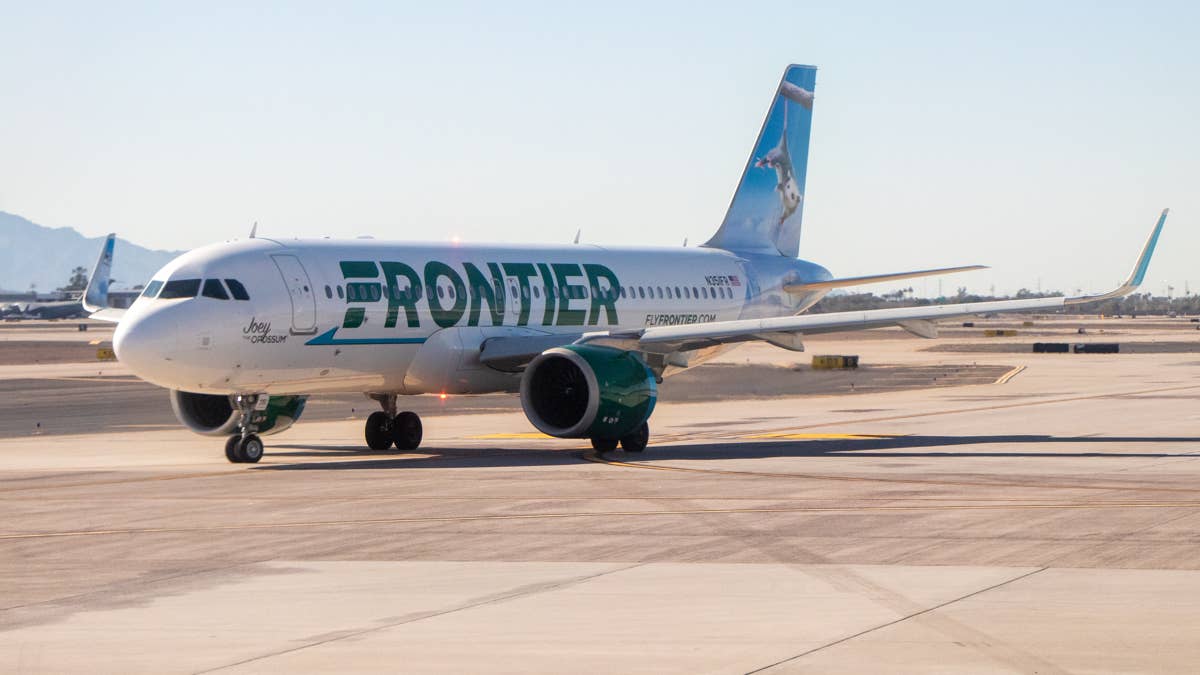
The Spirit assets Frontier wants next
Beyond passengers, Frontier is eyeing what Spirit’s operation left behind.
CEO James Dempsey said the airline is weighing a disciplined purchase of Spirit’s liquidated assets, Reuters reported.
The targets include Spirit’s Airbus A320 aircraft and prime airport real estate.
The targeted gates and takeoff slots matter because the most valuable ones sit at slot-controlled hubs where new access is nearly impossible to get.
Spirit’s liquidation is auctioning off exactly that kind of infrastructure, including LaGuardia slots and positions at Detroit’s and Chicago O’Hare’s airports.
Frontier is expanding in former Spirit strongholds like Orlando, Fort Lauderdale, Dallas-Fort Worth, and Detroit.
How Spirit ran out of runway
Spirit’s failure was years in the making, and it explains why Frontier inherited the spoils rather than a partner.
The ultra-low-cost model runs on thin margins and cheap fares. Spirit lost its price advantage once legacy carriers rolled out their own basic economy fares, and years of financial trouble did the rest.
The airline filed for Chapter 11 bankruptcy in November 2024, briefly emerged in March 2025, and then filed again in August 2025.
Related: Spirit Airlines won’t be coming back, and that costs flyers money
A federal judge blocked Spirit’s planned $3.8 billion merger with JetBlue in January 2024, and Frontier’s later approach never closed.
The final blow came from fuel. Jet fuel prices spiked after the 2026 Iran war, and a last-minute $500 million federal rescue collapsed when creditors backed out, CNN reported.
After that, Spirit shut down within a day, putting about 17,000 people out of work.
What Frontier stock still needs before the payoff is real
Frontier shares are up about 31% over the past six months, and Citi named the airline the biggest beneficiary of Spirit’s exit while raising its price target.
Still, the stock is volatile, and enthusiasm cuts both ways. Frontier shares fell nearly 10% in a single session on July 10 as the broader airline group sold off.
Signs the Frontier turnaround is working
- Fuel prices stay contained after the Iran-driven spike, which Frontier assumed at $4.25 per gallon for the second quarter.
- The 3% to 5% revenue lift from Spirit’s routes actually sticks instead of fading as rivals add capacity.
- Frontier absorbs Spirit’s demand without overextending its balance sheet into the same debt trap.
That last point is very important. Frontier projected a wider second-quarter adjusted loss of 45 to 60 cents per share, so the Spirit windfall lands while the airline is still losing money.
Legacy carriers Delta, United, and American keep flooding leisure routes with basic economy seats, squeezing the same budget travelers that Frontier is trying to win.
If Frontier chases growth too aggressively, it risks repeating the mistakes that led to Spirit’s demise.
If it stays measured, the collapse of its biggest rival could mark the moment where Frontier finally starts turning a profit.
Related: Delta Air Lines cuts two flights forever, refunds available