Stocks fell on September 10 after U.S. oil prices topped $100 a barrel for the first time in months. The move spooked markets. Inflation fears came back. And one of the most watched voices on financial television went on air with a specific message about what investors should actually be focused on.
Jim Cramer said on Mad Money that day that the 30-year U.S. Treasury yield is the single force driving stocks right now, and investors who do not understand that are missing what is really happening in the market, CNBC reported.
Why Cramer says the 30-year Treasury is running the stock market
“The long bond, the 30-year Treasury, is in charge of everything,” Cramer said on Mad Money.
The 30-year Treasury yield was sitting near 5.3% on September 10, a level not seen in roughly 19 years. At that rate, U.S. government bonds are paying investors more than 5% annually with essentially no credit risk. That changes the math on owning stocks.
Cramer made the case directly for older investors. “Stocks are terrific, they can make you fortunes, especially younger people who can afford to take chances,” he said. “But you know what beats stocks for anyone who’s 50 or older? The 30-year Treasury, that’s what.”
More Jim Cramer:
- Jim Cramer has terrifying one-word message for tech stock investors
- Jim Cramer says he’s steering clear of one popular stock
- Jim Cramer reveals 4 surging chip stocks he likes best
When safe government bonds yield 5.3%, stocks have to offer more to justify the additional risk. Companies with high valuations, weak earnings or heavy debt become especially hard to own. Investors can just take the 5.3% and go home.
The yield is high partly because of supply. About $4.5 trillion in long-dated Treasury bonds are outstanding. The Treasury Department tried to buy back as much as $6 billion of longer-dated bonds to push yields lower. It purchased about $5.2 billion, according to CNBC. Yields rose anyway. The supply problem is too large for buybacks that size to fix.
What the Delta Air Lines story says about the bond market
Cramer used Delta Air Lines to make the point concrete. Early in his career at Goldman Sachs, he recalled being asked what primarily determined Delta’s stock price. He cited oil and airline fundamentals. His instructor told him he was wrong.
“It’s hostage to the long bond,” Cramer recalled being told.
Airlines borrow heavily to buy planes and fund operations. Their borrowing rates run above what the U.S. government pays because companies carry more credit risk.
When the 30-year Treasury yield climbs, Delta and other airlines have to pay more to raise money. That squeezes their ability to expand and raises the cost of debt they already carry.
“That means they can’t expand if the 30-year isn’t behaving,” Cramer added.
The same math applies across any sector that relies on debt. Homebuilders, utilities, real estate companies and other capital-intensive businesses all feel the pressure when long-term rates rise.
Higher yields also reduce the present value of future corporate earnings in the models investors use to price stocks, which pushes valuations down even when the underlying business has not changed.
Why oil prices make the 30-year problem worse
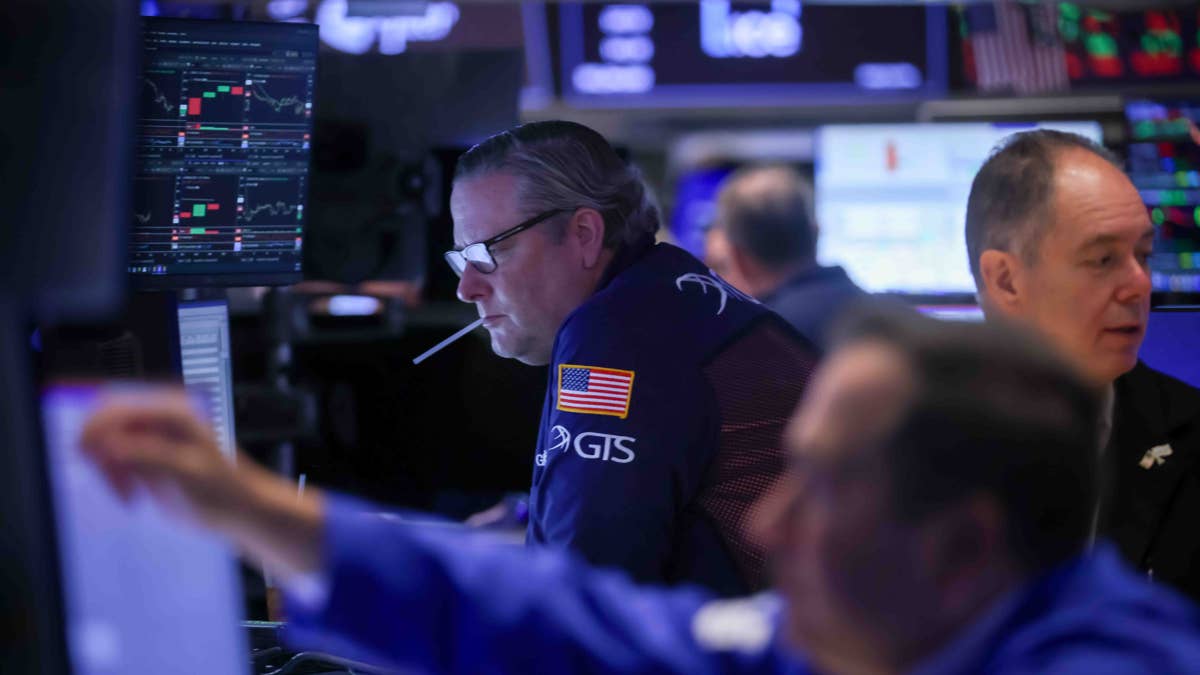
Oil crossing $100 a barrel on September 10 added a second layer of pressure. The concern is that expensive oil keeps inflation elevated, which makes it harder for the Federal Reserve to cut interest rates, which keeps long-term yields high.
For airlines specifically, the combination is painful. High oil prices raise fuel costs directly. High long-term yields raise borrowing costs. Cramer said the two together create a very difficult environment for airline stocks.
“If the economy slows down, then people will be laid off and plans to expand will be scrapped,” Cramer added. “If that were to change, then you know people won’t travel as much. The airlines will cut estimates. The stocks will get hammered.”
Oil above $100 also feeds into inflation expectations more broadly. If investors believe inflation will stay elevated, they demand higher yields on long-term bonds to compensate. That keeps the 30-year yield elevated even if the Fed is not actively tightening. Cramer called this dynamic the core reason the long bond is so important right now.
What Cramer told investors to do with this information
Cramer’s advice split along age lines, CNBC reported. Younger investors with time to ride out volatility can still own stocks and benefit from the long-term return premium equities historically deliver over bonds.
Older investors are in a different position. At 5.3%, a 30-year Treasury offers meaningful income with no default risk and no need to watch earnings calls or worry about management mistakes.
For someone in or near retirement, that tradeoff looks different than it did when yields were closer to 2%.
Cramer was clear that the 30-year yield is the number to watch, not the Fed funds rate or the 10-year yield. Short-term rate cuts from the Federal Reserve do not necessarily bring long-term yields down. Long-term rates are driven by supply, inflation expectations and investor demand for duration.
All three of those forces are currently pushing yields in the wrong direction for stock investors.
Related: Jim Cramer has strong message for Nvidia, Broadcom investors