AI is vastly changing how we work, shop and even think. Companies are taking note: nearly 78% have adopted some form of AI technology, according to Hostinger.
While the average American uses AI for things like chatting and answering questions, the technology is continuing to advance and become far more autonomous.
And while it’s still in the early days, banks and insurers are using these new AI models to make their jobs easier. But the technology is advancing so fast that it could soon become completely autonomous without this one thing.
The Wall Street race towards agentic AI
During a panel at Sas Innovate 2026 on agentic AI use at banks and insurance firms, experts said there is only one thing preventing AI from becoming fully autonomous.
Agentic AI differs from other types of AI in that it can act somewhat autonomously. Rather than respond to prompts, as in the case of ChatGPT and other LLMs, an AI agent needs very little oversight and instructions to complete a goal, according to IBM.
Banks have been very open about embracing AI use. Around 85% are already using AI in some form, according to McKinsey and Company.
Banks using agentic AI
- Citibank has rolled out an internal AI platform called Arc that lets employees create AI agents, Axios reported. The bank already uses AI to create a customized experience for its wealth customers, TheStreet reported.
- JP Morgan Chase has been embracing AI agentic use and it’s currently being used in the workflow of 80 services across the company, according to IT Brew.
- Wells Fargo partnered with Google in 2025 to build up its agentic AI in the workplace, Google stated.
Banks are using AI to make their workload easier by automating menial and time-consuming tasks, said Adolfo Lopez, senior vice president of corporate technology at JPMorgan Chase during a Sas Innovate panel.
“Most of the work that is being done with agentic AI is assistant or delegative…it’s not completely autonomous at this point,” he said.
But even as Wall Street races to be at the forefront of agentic AI, it is doing so with caution.
AI guardrails
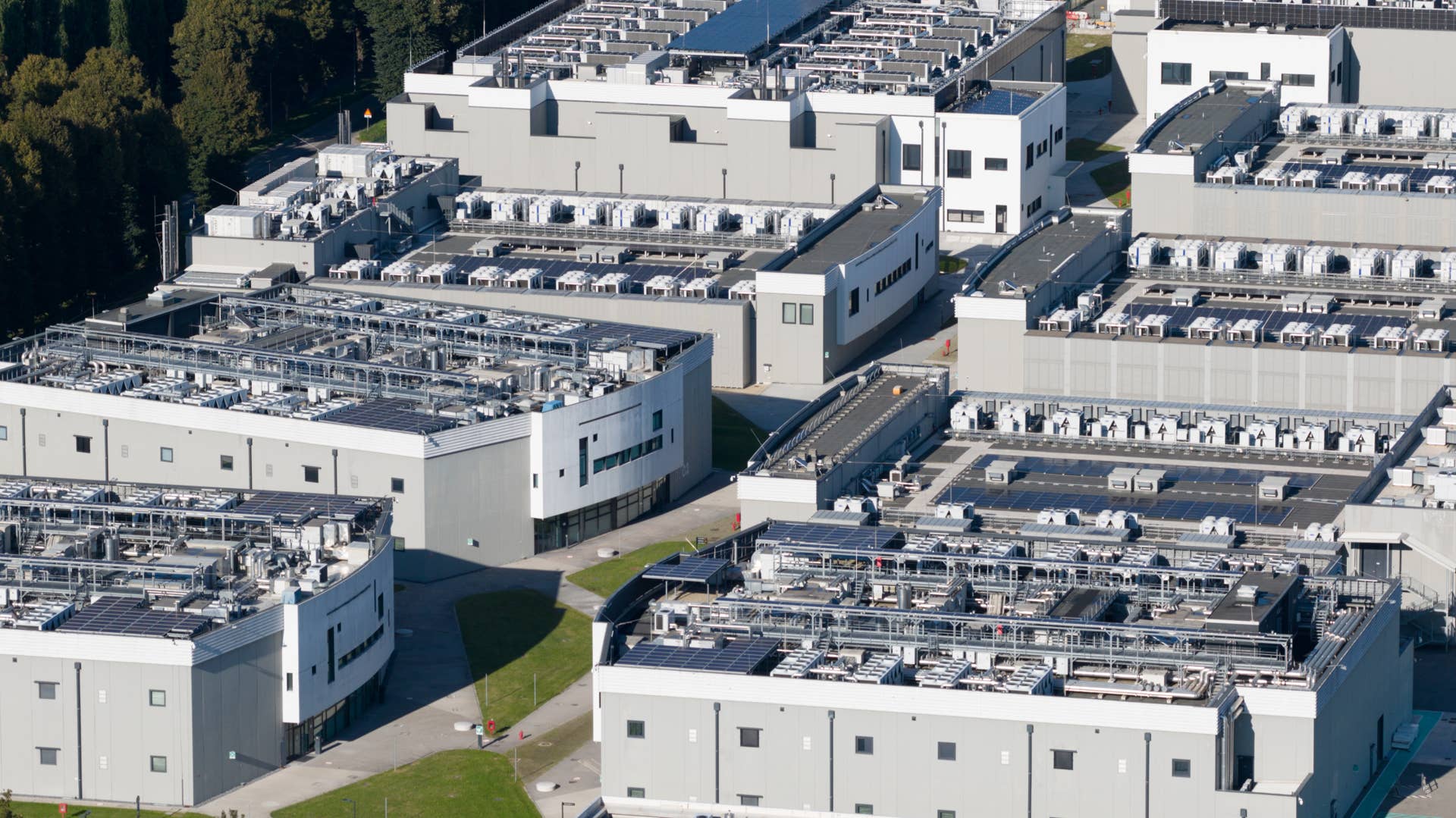
AI use is not without controversy. For one, there are the vast amounts of water and energy used to keep data centers supporting AI use, according to MIT News. Banks have also been warned about a new model from Anthropic which poses a cybersecurity risk, TheStreet reported.
Lopez said that AI could be a lot more advanced were it not for the guardrails that have been put in place. Banks like JP Morgan have to think about their reputation, he added.
“It’s the regulations that constrain us, because we have to be very careful with what we do,” he said during a panel discussion.
More bank news
- This major bank is going on a branch-opening spree
- This fintech firm is replacing their workers with AI
- Bank of America goes all in on controversial tech
“Technology will allow us to leverage AI and make decisions, but should it? Should we allow that? From a regulatory and controlled perspective, no, there are certain areas that we should avoid,” Lopez said.
Most importantly, he said, humans still need to stay in the loop of any decision-making, at least until we can trust AI agents.
“Its confidence and decision making has to be earned, just like any other individual. It’s another employee, for that matter. Can it perform? Can it be trusted? And the human has to be in the loop until that point it earns your trust,” he said.