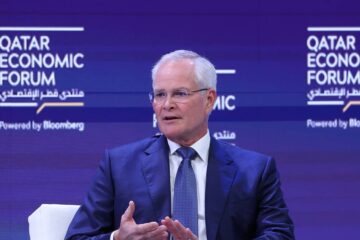
Kevin Warsh promised to shake up the Federal Reserve, and his October meeting showed he meant it. Alongside a decision to hold rates at 3.75% to 4%, the Fed chair rolled out a plan that one strategist called “the most ambitious overhaul of how the Fed operates in decades.”
The change goes to the heart of how markets track the Fed. It is the first change to the central bank’s meeting calendar since the early 1980s, when the Federal Open Market Committee cut its schedule from 12 meetings a year to eight.
How fewer meetings affect monetary policy with a rate vote
The number of meetings is not changing, but their purpose is. “We believe eight meetings per year is the right number for the FOMC,” Warsh told reporters on October 28. Starting in 2027, “one meeting will focus exclusively on broad monetary policy strategy,” and in 2028 he expects “two meetings dedicated to discussions of strategy, and six for setting policy,” according to the Federal Reserve.
Also read: Fed rate call leaves stock investors watching December closely
Those strategy sessions will look very different from a normal meeting, since there will be no rate vote. Bill Birmingham of REX Financial sees a clear trade-off. “With less guidance and fewer decision points, each rate move has to carry more weight,” he said.
The exact calendar is still being worked out. One option keeps the current six-to-seven-week rhythm and makes two meetings non-voting, while another sets six evenly spaced voting meetings plus two special-topic sessions. Warsh’s outside task forces on five areas of Fed operations are expected around the end of 2026, though he said some may not meet that deadline.
The idea is not entirely new. Before the 2008 financial crisis, six of the eight meetings were single-day affairs, while the other two added a second day for broader themes. Ben Bernanke introduced the post-meeting press conference in 2011. The Fed moved to a permanent two-day schedule in 2012, and Jerome Powell later expanded press conferences to every meeting, Bloomberg reported.
Why Kevin Warsh wants the change
Warsh framed the move as a way to think bigger.
“It’s an institutional choice, affecting the nature and the quality of our deliberations,” he said. Getting policy right “involves assessing near-term developments at timely, regular, and information-rich intervals,” but the committee also needs room for “focusing, as I say, on the left side of the decimal point.”
There is a market angle, too. Warsh has said he wants investors to be less driven by what they expect the Fed to do. Speaking about the Fed’s retreat from forward guidance earlier this year, he said, “We’re trying not to interfere with that market signal.”
The calendar is part of a wider reset. At his first meeting as chair in June, Warsh said, “We dropped forward guidance,” and the post-meeting statement shrank to just 132 words. He also launched five task forces, including one on communication tools such as press conferences and the dot plot. With inflation above the Fed’s 2% goal for five years, he also vowed, “We will deliver price stability,” according to TheStreet.
He has repeated the message since. At Jackson Hole in August, Warsh cautioned against a “hall of mirrors” problem, in which markets rely on Fed guidance while the Fed relies on market prices. “Warsh won’t signal rate moves anymore,” said Cetera Financial Group’s Gene Goldman.
How Wall Street could react to the change
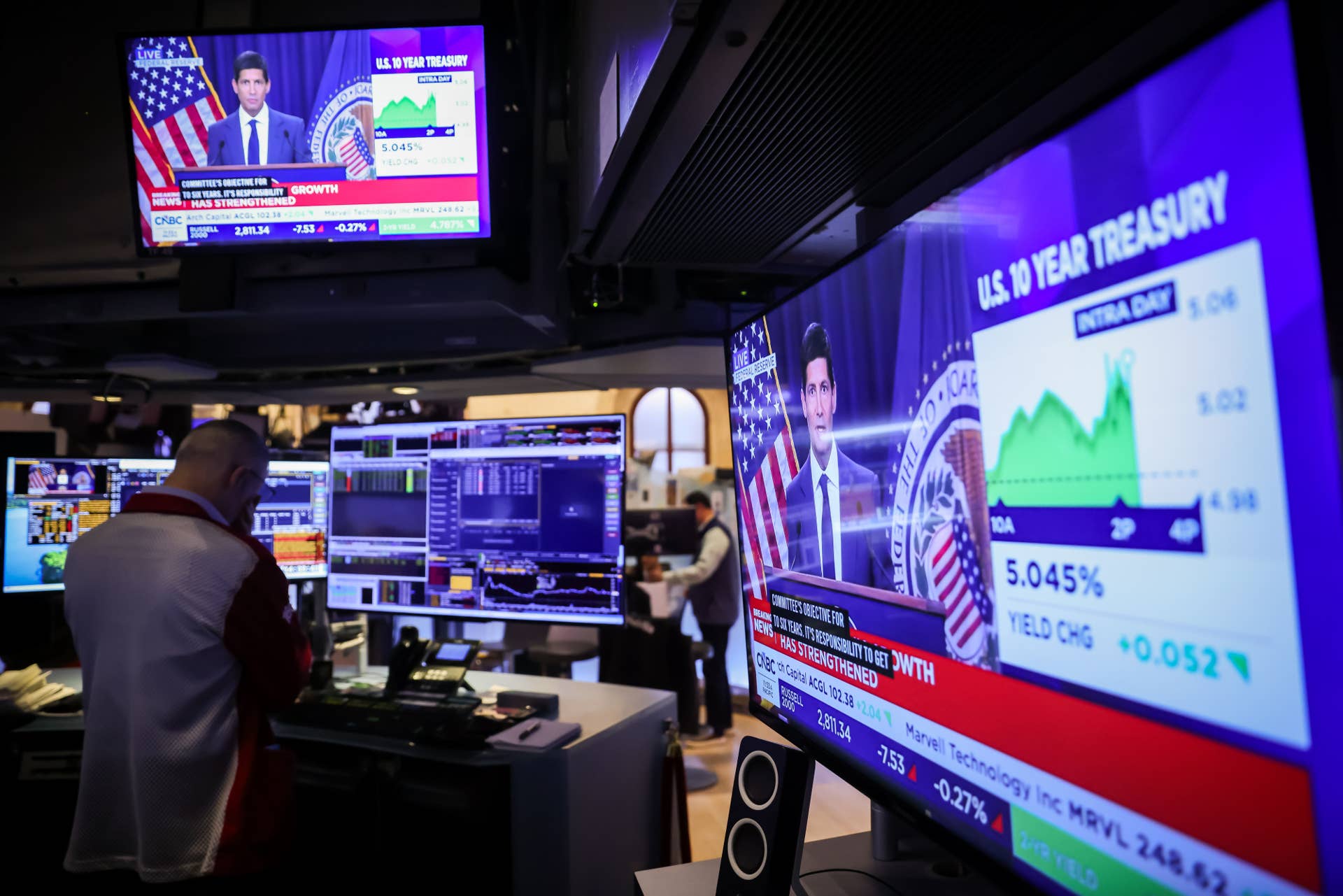
Fewer rate votes could make each one matter more. Occidental College economist Andrew Jalil said the shift “could paradoxically move financial markets even more than would have been the case otherwise.” He added that “Financial markets care enormously about what the Federal Reserve is going to do.”
The Fed could also become less nimble. It can still call emergency meetings, but Jalil said policymakers may be reluctant to call one because investors might wonder what the Fed knows. He also said less clear guidance could leave markets “trying to guess more where they think the Fed is going.” University of Michigan’s Joanne Hsu added that consumers who expect higher inflation might buy sooner, which could push prices up, according to Marketplace.
More Fed:
- Scott Bessent just reframed the case for a December rate hike
- Fed Chair Kevin Warsh reveals October surprise inside interest-rate pause
- How a Fed interest rate pause would impact Main Street investors
Timing is another worry. Richmond Fed President Tom Barkin has his own gripe with the current setup: “I really don’t like having FOMC meetings and then walking out and getting a jobs report on Friday,” according to Bloomberg.
Some investors already expect a bumpy ride. Birmingham said he expects “elevated volatility until the inflation target is met.” PGIM’s Robert Sockin called the October pause “perplexing” and still sees four more quarter-point hikes, with the next one in December.
What investors should watch next
The December 8-9 meeting is the next big test. CME FedWatch showed roughly a 78% chance of another quarter-point hike after the October decision, which passed on a 10-2 vote. Governor Lisa Cook and Cleveland Fed President Beth Hammack both wanted to raise rates right away. It was also the last meeting before the November 3 midterm elections, and Conzo said Warsh explicitly ruled out politics as a factor in the decision.
Warsh is not offering hints. “I don’t believe in forward guidance absent exigent circumstances, absent a crisis,” he said in October. He also noted that inflation “remains elevated,” and that while financial conditions are tighter, “I’m unwilling and unable to call them tight.”
That leaves a long gap for markets to fill. There is no Fed meeting in November, and Realtor.com noted that markets expect two to three more hikes over the next six to eight months. Under Warsh, investors may have to get used to waiting longer and guessing more between rate decisions.
Related: Fed Chair Kevin Warsh reveals October surprise inside interest-rate pause