Most market calls come with a lot of conditions attached. This one from Morgan Stanley (MS) is a bit different.
Chief Investment Officer Mike Wilson is not just saying stocks will recover. He is saying oil prices are a big part of why they will.
Wilson told investors the current market adjustment is nearing its end. He also said oil prices are set to fall substantially heading into 2027. Those two calls are not separate. In Wilson’s view, cheaper crude is part of the mechanism that gets equities moving again.
It is a specific argument. And it is worth understanding exactly what it is saying, and what it is not.
What Morgan Stanley’s Wilson is actually saying about oil
Wilson’s view, as reported by Seeking Alpha, runs like this: oil falls, inflation pressure eases, the Federal Reserve gets room to stay supportive, and equities benefit. That is the chain. Each link depends on the one before it.
On stocks, Wilson said the pullback is in its final stage. The market is not broken in his view. It has just been correcting. He set a target range of 7,100 to 7,300 for the S&P 500 and said the correction is nearly done.
Also read: Goldman Sachs resets oil price target for 2027
But the recovery he sees does not happen on its own. It needs cheaper energy to change the inflation picture.
That is the part of the thesis that is easy to miss. Wilson is not simply bullish on stocks. He is bullish on a specific sequence of events that starts with oil.
His call has a catch, though. Oil needs to fall enough to change the picture for equities, but the reason it falls matters. Wilson points to reduced geopolitical risk, demand destruction, and increased energy investment as the forces pushing crude lower.
That is different from a collapse driven by a rapidly slowing global economy, which would hit earnings broadly. The specific path oil takes to get lower is part of what determines whether equities actually benefit.
Why oil moving lower changes the math for investors
Energy is a meaningful weight in the consumer price index. When crude prices fall, they pull headline inflation down with them pretty quickly.
That is not a subtle effect. It shows up in the monthly data fast enough for the Federal Reserve to notice and factor it into its decisions.
When inflation comes down, the Fed has less reason to keep rates where they are. And rates matter for stocks. High borrowing costs make future earnings worth less today.
That is why the market has struggled in a high-rate environment. Any shift in that dynamic changes the picture for equities pretty quickly.
There is also a direct consumer angle. Cheaper gas means households have more money left over each month. That spending does not disappear. It goes into restaurants, retail, travel and other discretionary categories.
Companies in those sectors feel it in their revenue. It is one of the more tangible ways that oil prices feed through to corporate earnings outside the energy sector.
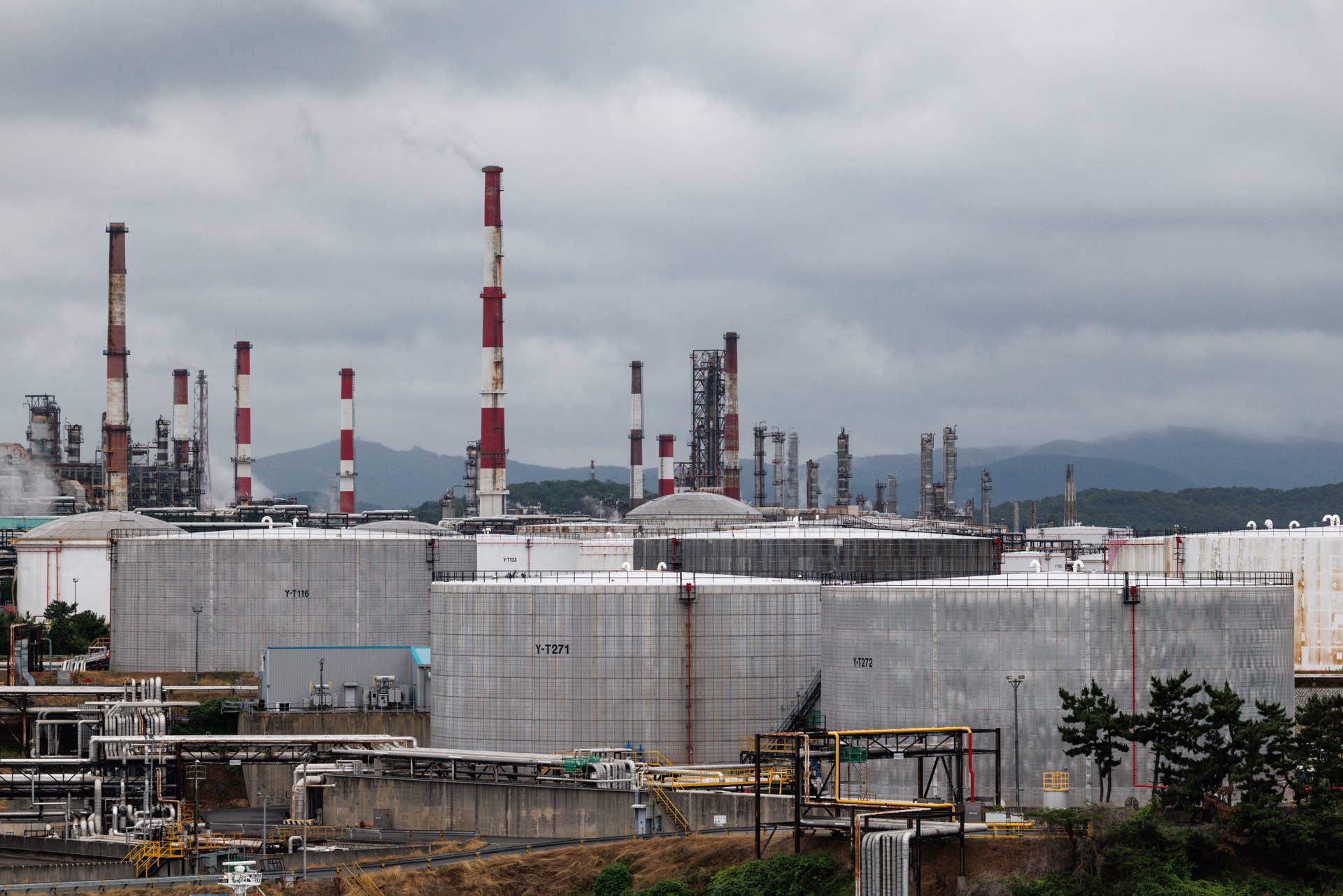
If oil falls,who wins and who does not?
Airlines are probably the most obvious beneficiary. Jet fuel is one of the biggest costs in the business. When crude drops, margins improve fast, and the financial pressure on route planning and capacity decisions eases. Shipping and logistics companies see a similar effect.
Retailers and consumer discretionary companies feel it too, but less directly. Gas prices are one of the few costs that people notice every single day. When they drop, households have a bit more money.
That money goes somewhere: restaurants, clothing, electronics. It shows up in sales data faster than most people expect.
More Oil & Gas:
- Ahead of election, oil and gas prices take a breather
- Exxon, Chevron paint bullish pictures of the oil business
- Risk of more Mideast war boosts oil, threatens your wallet
The energy sector itself is the clear loser. Oil producers, oilfield services companies, and pipeline operators all see revenue and earnings pressure when crude falls. That is a real headwind for that part of the market.
But the energy sector is a much smaller slice of the S&P 500 than it was 15 years ago. The pain is real, but it is concentrated. The benefit to the rest of the index tends to outweigh it when oil drops meaningfully.
What needs to happen for Wilson’s call to pay off
Wilson is not saying this is a sure thing. Oil has to fall. Inflation has to respond. And the Fed has to stay out of the way. That is a lot of moving parts.
He thinks it can happen. But he is not making guarantees.
Oil prices are notoriously hard to forecast. OPEC+ supply decisions, global growth trends, and geopolitical shocks all move the market in ways that are difficult to see coming.
A big enough supply increase could push crude lower without any help from demand. But a demand-driven drop, the kind that happens because economic growth is slowing fast, would not be the tailwind Wilson is describing.
The monthly CPI prints are what to watch. If oil falls and headline inflation follows, the story gets easier for the Fed. If core inflation stays sticky, it gets complicated.
Lower headline numbers with a stubborn core aren’t the same as a clean win on inflation. The Fed knows that. Markets know it, too.
Morgan Stanley’s call is not a prediction that everything works out. It is a read on where the pressure is building and what could release it. Crude prices falling meaningfully would change a lot of the numbers investors are staring at right now.
Airlines, logistics companies, and consumer-facing businesses would feel it first. The broader market would take longer. And it all hinges on oil actually moving lower in the way Wilson expects.
Related: Bank of America resets its oil price target with strong warning