Home shoppers finally caught a small break. The average 30-year fixed mortgage rate eased to 7.18% on Nov. 5, down from 7.32% on Oct. 22.
It is still well above the 6.22% buyers saw a year earlier, though, so the dip barely dents the extra cost of borrowing compared with last fall.
That relief may not last long. Fed officials paused in October, but several of them are already talking openly about raising rates again. For buyers and savers alike, the next few weeks could decide a lot, and waiting for a better deal carries its own risk.
A pause that still feels like tightening
On Oct. 28, the Fed held its benchmark rate at 3.75% to 4% in a 10-2 vote, with Cleveland Fed President Beth Hammack and Gov. Lisa Cook both pushing for another quarter-point hike.
That came after the Fed had raised rates in September. It was the first increase since July 2023.
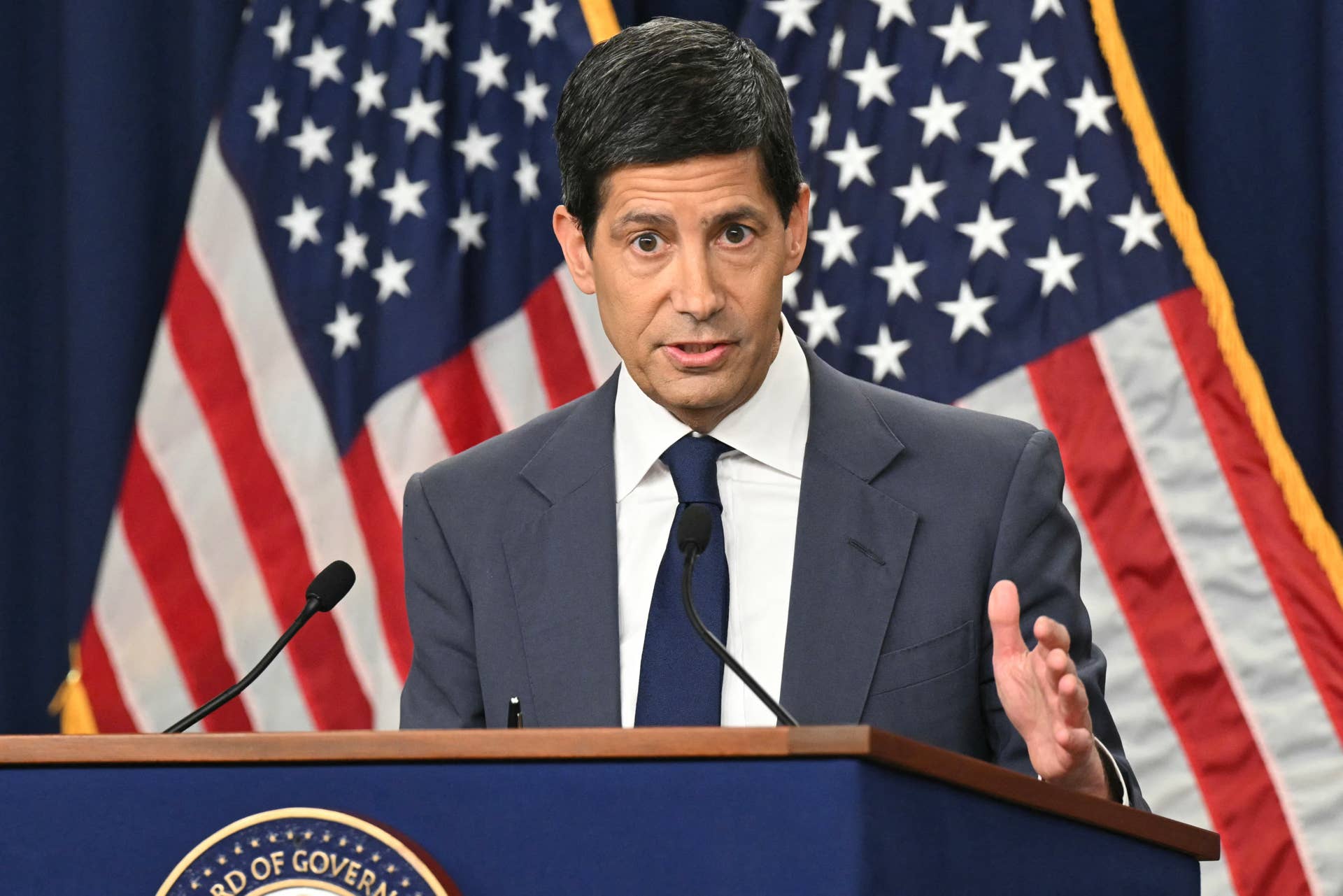
Chair Kevin Warsh did not sound relaxed about prices. He told reporters, “it’s our responsibility to get inflation down” and said the target is 2%, with “no soft inflation target and no implicit inflation target,” as reported by Fox Business.
Also read: Home Depot sends its strongest warning yet on the housing market
He also said politics played no role in the decision, which came just days before the midterm elections and drew plenty of attention because of that timing.
One analyst quickly labeled it a “hawkish hold.” Warsh sidestepped questions about why the Fed paused when most policymakers still see inflation as too high, and he said little about what comes in December.
He kept that line in the days that followed.
“I also don’t believe in prejudging meetings,” Warsh said, even as he noted that economic activity was expanding at a strong pace, as reported by TheStreet.
That leaves markets to read the signals from other officials instead, and some of them have been far less coy about where they think rates should go.
Why buyers are feeling the squeeze
The jump in rates over the summer was sharp. Zillow CEO Jeremy Wacksman said rates rose “nearly 100 basis points” from the mid-6% range at the end of June to the mid-7% range by early October.
Deutsche Bank analyst Kunal Madhukar said “the immediate impact was less about the absolute level of rates and more about the speed of the move,” TheStreet reported.
Buyers who had budgets set in the spring suddenly found they could afford noticeably less, and many had to rethink neighborhoods, home sizes or timing altogether.
Mortgage rates usually take their cue from the 10-year Treasury yield rather than the Fed’s own rate. That yield climbed to about 5.34% in early October, its highest level since 2002, which helps explain why borrowing costs spiked even without a Fed hike that month.
The latest drop helps, but only at the margins. Freddie Mac’s weekly survey showed the 30-year average at 7.18% for the week of Nov. 5.
A hot inflation report or a December hike could easily push quotes back up before many buyers close, which is why the timing of a rate lock matters so much for anyone already under contract on a home.
The case for a December hike keeps building
Inflation is the main reason the Fed may move its rate again. The Fed’s preferred price gauge rose 3.6% from a year earlier in September, up from 3.4% in August, while core prices rose 3.1%.
Higher gasoline prices did much of the damage, and the numbers sit far above the Fed’s 2% goal, according to the Bureau of Economic Analysis.
Some officials want to go further than one more move. Dallas Fed President Lorie Logan, who voted with the majority to hold, said the Fed “needs to implement at least two more 25-basis-point rate increases” before pausing to take stock, Reuters reported.
More Mortgage Rates:
- Mortgage rates could still rise even after Fed holds rates steady
- The bond market just sent home buyers an unexpected signal
- Fed sends warning to American homeowners, cardholders
Hammack has made a similar case with a different pace. Speaking in Zurich on Nov. 5, she said policy will likely need to move to a restrictive stance and that smaller, more frequent increases would be less disruptive for households and businesses. She did not say when she wants the next one, but her message pointed in only one direction.
Traders are betting the Fed acts soon. The CME FedWatch tool put the chance of another quarter-point hike in December at roughly 82% at the time of writing this article, and those odds barely moved after the election. The Fed’s next decision is due Dec. 9.
Why savers may want to act now
Higher rates do come with an upside for people with cash on hand. Returns on savings products have risen as banks compete for deposits, and certificates of deposit let savers lock in a guaranteed yield without market swings.
Some of those offers are still generous. E*Trade from Morgan Stanley was paying 4.55% APY on a 1-year CD as of Nov. 5, and many online banks offered 4% or more, according to Yahoo Finance. Locking in a CD now can protect a down payment fund from rate swings later, and it removes the guesswork about where yields will be next spring.
The trade-off is flexibility. Anyone who may need cash for a home purchase soon should match the CD term to their timeline, since early withdrawals usually cost a penalty. A shorter term keeps the money close while still capturing today’s higher yields.
Related: Goldman Sachs has a new warning for the housing market for 2027