Nvidia’s artificial intelligence business faces another unexpected challenge involving four countries that are major destinations for advanced computing equipment.
Furthermore, the chipmaker may not be the only one affected.
After US restrictions tightened access to advanced semiconductors, Nvidia (NVDA) told its manufacturing partners to stop shipping AI servers to Malaysia, Singapore, Thailand, and Indonesia, the Financial Times reported Thursday, Nov. 26.
Nvidia’s AI infrastructure business relies on Dell Technologies (DELL) and Super Micro Computer (SMCI) servers, which are affected by the halt.
The move coincides with Washington’s efforts to stop Chinese IT firms from using foreign data centers to acquire banned American chips.
However, the most unpredictable aspect is the duration of the disturbance.
Whether Nvidia’s action is a short-term compliance measure or a long-term barrier to shipments into Southeast Asia is yet unknown.
This difference is important since Nvidia’s remarkable expansion has relied on businesses all across the globe making significant investments in AI infrastructure.
The most recent development for investors raises a question that robust profits alone cannot address: Given the complexity of export regulations, how much of overseas demand can Nvidia convert into sales?
Nvidia tells Dell and Supermicro to stop AI server deliveries
The reported shipment halt involves two major Nvidia manufacturing partners that integrate the company’s processors into complete server systems.
Dell and Supermicro informed customers in the four affected countries that their Nvidia-powered server orders could not be shipped, according to the Financial Times.
The newspaper cited three people familiar with the situation.
The affected markets are:
- Malaysia: A growing destination for data center investment.
- Singapore: A major regional cloud computing and technology hub.
- Thailand: An expanding market for digital infrastructure.
- Indonesia: A developing market for AI computing and data centers.
The Financial Times also reported that Singapore-based cloud provider Aolani had been affected. The company reportedly planned to lease computing capacity to ByteDance, TikTok’s Chinese parent.
The quantity of postponed orders and their monetary worth have not been made public.
Requests for a response outside regular business hours were not answered immediately by Nvidia, Dell, or Supermicro, according to Reuters.
This raises a crucial question: Are businesses examining client requests on a temporary basis, or could these limitations drastically reduce future deliveries?
New US restrictions target access to Nvidia chips
A major shift in US semiconductor export policy precedes the alleged shipping freeze.
The Commerce Department announced new restrictions on Nov. 16 to prevent Chinese companies from accessing advanced American computing technology through overseas data centers.
The regulations identify five countries requiring additional scrutiny for certain advanced chip shipments:
- Malaysia
- Singapore
- Thailand
- Indonesia
- Brazil
Although Brazil is included in the new licensing requirements, it was not among the four countries named in Nvidia’s reported shipment halt.
The regulations, which went into effect on Nov. 19, also tackle a growing problem: Chinese tech firms may remotely access powerful AI processors without having to bring such chips inside China.
The new framework requires clearance for foreign data centers that provide substantial computing capacity to certain limited consumers.
Existing affected data centers generally have 90 days to obtain licenses to continue providing those services, while the rules also impose requirements on covered hardware shipments.
The government has made several exceptions, such as for institutions run by the United States.
This difference is important since not all shipments of Nvidia equipment to Southeast Asia are prohibited by the regulations.
Rather, they establish new compliance standards that businesses must meet to proceed with covered transactions.
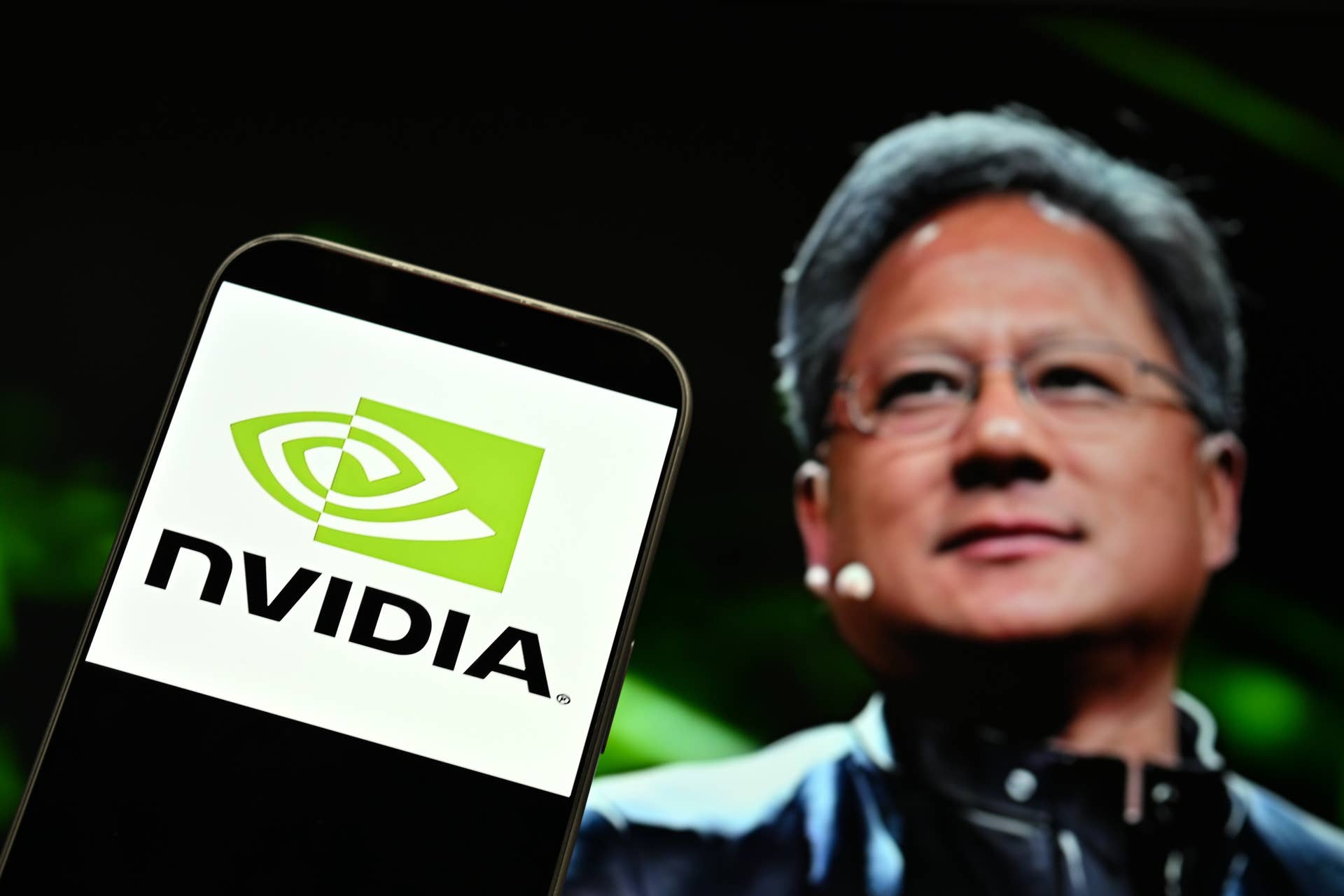
Nvidia’s $108 billion AI business faces a new uncertainty
For Nvidia stockholders, the timing is especially crucial.
Nvidia reported Nov. 17 that fiscal third-quarter revenue reached a record $115.8 billion, representing a 103% increase from a year earlier.
The company’s reliance on demand for AI infrastructure is seen in its Data Center division, which produced $107.6 billion, an increase of 110%.
Nvidia also projected approximately $130 billion in revenue for its fiscal fourth quarter, although the forecast assumes no data center computing revenue from China.
The most recent limitations add yet another possible barrier to global growth.
More Nvidia:
- Microsoft just gave Nvidia shareholders a reason to pay attention
- Nvidia has a stake in SpaceX that came from an unexpected place
- Nvidia’s $12.9 billion deal could shape the AI apps you use
Customers may still want Nvidia’s CPUs, but obtaining the required clearance would make delivery more difficult and delay planned data center projects.
Calculating the financial ramifications is still challenging.
The amount of income associated with the impacted orders has not been disclosed by Nvidia or its manufacturing partners.
Additionally, there is no guarantee that consumers will cancel their orders because of these limitations.
After further compliance inspections or license clearances, certain shipments may restart.
Long-term uncertainty might make it more difficult for Nvidia to arrange future equipment delivery.
Singapore responds to Nvidia shipment reports
The situation took another turn on Friday, Nov. 27, when Singapore’s government addressed the reports.
Deputy Prime Minister Gan Kim Yong said that Singapore had not verified if Nvidia has stopped shipping to the nation, according to Channel News Asia.
Gan said officials were engaging with local businesses to understand the implications of the new US restrictions.
The statement highlights the degree of uncertainty surrounding the alleged interruption.
It also emphasizes the difficulty Southeast Asian nations have in luring investment in cutting-edge technology while adhering to US export regulations.
Maintaining client connections and creating precise protocols for upcoming deliveries are Nvidia’s top priorities right now.
Determining when impacted servers may reach customers is a problem for Dell and Supermicro.
The next things to keep an eye on are when shipments start up again, if licenses are provided, and whether Nvidia confirms the extent of the stoppage.
The fundamental need for AI infrastructure remains.
However, Nvidia’s most recent issue shows that high demand does not necessarily ensure product delivery.
Whether Nvidia can sell powerful AI processors is hardly the greatest uncertainty for investors. It is the speed at which the business can negotiate the limitations that dictate the final destination of those chips.
Related: Michael Burry slashes Nvidia bets but issues stark warning