Americans have been paying more at the grocery store for years. Packaged snacks and soft drinks went through several rounds of price increases after the pandemic, and many shoppers had only recently started to see some of that pressure ease. Now it is coming back.
Another round of increases is on the way for some of the most widely purchased chips, dips, and sodas in the country.
PepsiCo plans to raise prices on select products by the end of 2026 or early 2027. The company said increases will land in the low- to mid-single-digit percentage range, broadly in line with inflation, and will affect items from several of its biggest brands.
Which PepsiCo snack products are getting more expensive?
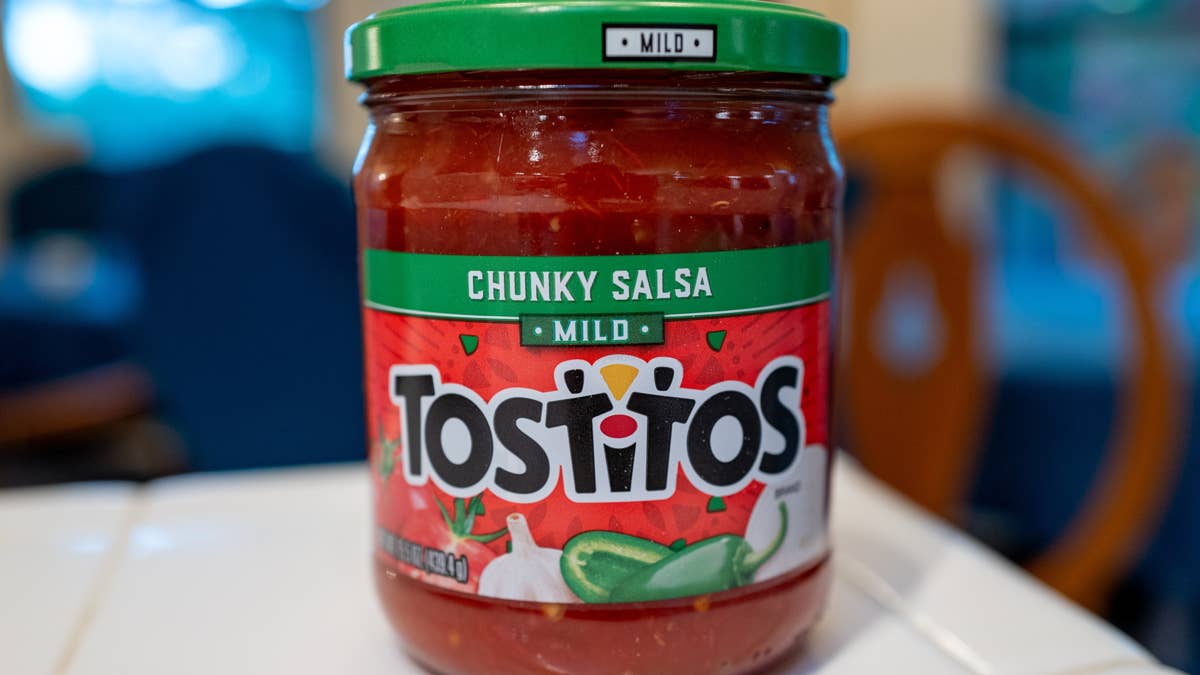
The planned increases cover a large part of PepsiCo’s snack lineup. Doritos, Ruffles, SunChips, Lay’s, and Tostitos are among the chip brands expected to see higher prices, alongside Tostitos salsa, Fritos canned dips, and some PepsiCo soft drinks. The company has not released specific new prices for each product.
Some of those changes have already shown up on shelves. At Dollar General, an extra-large jar of Tostitos salsa climbed to $4.00 from $3.80, and a larger jar rose to $5.50 from $4.95. Fritos canned dips at the same retailer went up to $3.75 from $3.30, according to TipRanks.
The Fritos dip increase works out to more than 13 percent on that item alone.
More Retail:
- Home Depot is making a big bet on cautious consumers
- Another state just banned a controversial retail pricing practice
- JPMorgan just flagged a slow-build food crisis
Retailers set their own shelf prices and choose how much of any supplier increase to pass on to shoppers. What consumers pay will vary by store, region, and what sales are running at the time.
Dollar stores tend to pass price increases through faster than large grocery chains do. Buyers at mass retailers like Walmart and Costco often have enough leverage to push back on supplier pricing, which can mean smaller increases on their shelves, at least in the short term.
A retailer with a deal on Doritos can soften the impact for shoppers in that window, even if the underlying list price has gone up.
PepsiCo already cut prices earlier this year
What makes this round hard to miss is how recently PepsiCo was going the other way. Earlier in 2026, the company cut the suggested everyday price of an 8-ounce bag of Lay’s Classic Potato Chips to $4.29 from $4.99. An 8.5-ounce bag of Doritos dropped to $5.49 from $6.29.
PepsiCo said those reductions were a direct push to win back customers who had been switching to cheaper options or cutting back on snacks entirely. North American food sales had been falling, and the company needed to slow that down.
Even after the new increases, PepsiCo said prices are still expected to come in below where they were before those reductions. Shoppers who remember paying $6.29 for a bag of Doritos will still pay less than that, at least for now.
Why PepsiCo is raising prices again
PepsiCo said the increases are about keeping pace with inflation. The company faces higher costs for ingredients, packaging, and logistics in the second half of the year, according to Reuters. When cooking oils, packaging, and transportation all get more expensive at the same time, holding prices flat becomes a harder position to defend.
North American food sales fell 2% in the second quarter, according to CNBC, and higher gas prices hit demand harder than PepsiCo had expected. When people are spending more to fill their tanks, they tend to cut back on other things. Chips and soda tend to be near the top of that list.
Raising prices in that situation carries real risk. Shoppers under pressure are more likely to reach for a store brand or just skip the snack altogether. Store-brand chips have gotten significantly better in recent years, and the price gap between them and branded products like Doritos has widened enough that more consumers are noticing.
Snack companies that raise prices too quickly tend to lose that volume permanently. Shoppers who switch to a store brand and find they like it rarely come back.
PepsiCo has been fighting that shift all year by adjusting its lineup and launching new products such as Doritos Protein. The planned increases suggest the company has decided it has run out of room on the cost side.
What the price increases mean for shoppers
A low- to mid-single-digit increase looks manageable on paper. On a $5 bag of chips, it comes out to roughly 15 to 25 cents. Buy several bags a week or stock up for gatherings, and that number adds up fast over the course of a year.
PepsiCo stock dropped after the price increase plans became public. Investors have been watching North American food sales slip for several quarters, and raising prices is a bet that consumers will stay with the brand rather than trade down.
If enough shoppers decide the gap between PepsiCo products and cheaper alternatives has gotten too wide, volume could fall again, and the company might end up back where it started.
For shoppers, going with store-brand alternatives, buying on sale, or picking smaller packages are all ways to limit the impact.
How much any individual consumer feels these increases will also come down to what retailers decide to do with their own pricing and promotions in the months ahead.
Related: Pepsi announces major closure as Coca-Cola plans $10B investment