Born out of an internet joke that badly-behaving tourists should be slapped with an extra tax for the inconvenience, the term “tourist tax” is now used to refer to both the entry fees that some countries charge international visitors directly at the airport and the =daily levy that hotels in many European cities are required to add to the traveler’s nightly bill.
Countries that recently introduced new charges for non-residents landing at the airport include New Zealand, Thailand and Iceland.
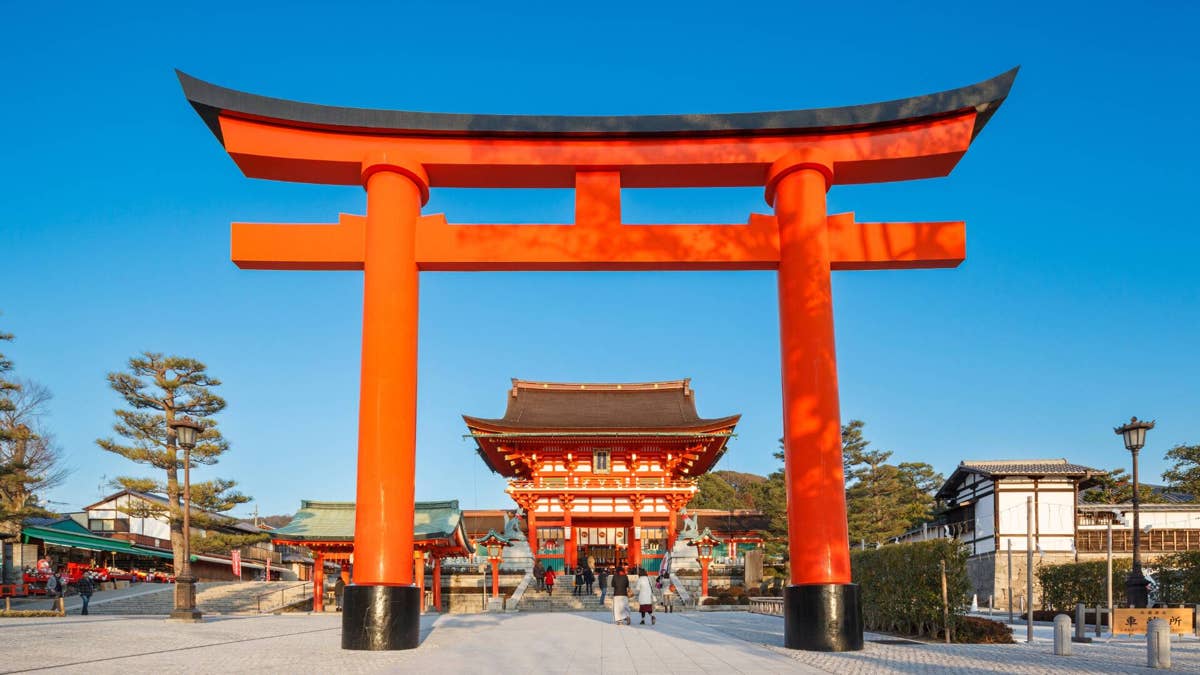
Japan, which welcomed a record 42.7 million international tourists to its shores in 2025, is now also raising its existing tourist tax 1,000 yen ($6.33 USD) to 3,000 yen ($19 USD).
The new fee will come into effect on July 1 and is also dubbed the “sayonara tax” because it is automatically added to any ticket out of Japan by the airline. It also applies to those leaving Japan on ships, but will not need to be paid by those transiting through the airport or other parts of the country on stays of no more than 24 hours.
Japan to triple airport departure tax to 3,000 yen
The initial 1,000 yen tax was introduced in 2019. Such taxes, which are generally put toward maintaining local infrastructure and preserving natural sites seeing higher numbers of visitors, are often designed to be hidden inside the ticket and unnoticeable to the traveler in the context of a wider trip to Japan.
Individual cities and regions across Japan have also experimented with their own versions of the tourist tax over in recent years. In each case, lawmakers and local activists argued for the increase by citing the rising numbers of tourists who end up causing strain to the city’s infrastructure.
Related: Why you’re not seeing as many Australians in Bali
In April 2026, the Okinawa prefecture began adding a 2% tax to the cost of one’s stay at local hotels or inns with some exceptions for school, religious and several other types of organized tours.
Kyoto in southwestern Japan also introduced a nightly hotel tax that goes up to 10,000 yen, roughly $64 USD per night, for those staying in ultra-luxury hotels. Cities such as Hokkaido in the Sapporo region and the capital of Tokyo as well as specific destinations like Mount Fiji have all hiked fees in different forms over the last year.
Shutterstock
More countries weigh tourist entry taxes as part of a domino effect
In another part of the world, the Nordic nation of Finland is preparing to introduce a tourist tax that would, similarly to Japan, be applied to those entering or exiting the country rather than only tacked onto the accommodation bill.
The country’s Ministry of Finance is currently drafting legislation on the tax to be proposed to local lawmakers for voting.
More Travel News:
- Airline to launch unusual new flight to Cayman Islands from the U.S.
- What you can expect at Disneyland’s new ‘World of Frozen’
- Unexpected country is most luxurious travel destination for 2026
- U.S. government issues strange warning on Ireland travel
Individual cities currently weighing either additional new or raised tourist taxes include Galway in western Island, Vigo in northwestern Spain and the Belgian capital of Brussels.
The proposals are often criticized by local tourism boards and business associations as having a discouraging effect on budget-conscious travelers but almost always get voted in as tourist numbers continue to rise.
Related: Another popular holiday destination mulls tourist ban