For decades, Ross Dress for Less has built its reputation around a simple promise: recognizable brands at prices significantly below those at traditional department stores.
Shoppers willing to spend time searching through crowded clothing racks could walk away with designer merchandise at a fraction of its original price.
And as America’s bargain-hunting culture shifts, off-price retailers like Ross are adapting their strategies.
More shoppers are turning to discount retailers, not necessarily because they cannot afford higher-priced merchandise, but because they are increasingly questioning whether premium brands are worth the price.
Ross is now preparing a significant shift in how it presents itself to those customers.
The retailer recently staged its first fashion show, plans to introduce a new private-label clothing brand, and is working on more sophisticated merchandise displays designed to make its stores feel less like traditional bargain outlets.
It’s a notable departure for a retailer whose no-frills shopping experience has long been part of its identity.
Ross Dress for Less introduces new fashion strategy and clothing label
On Nov. 5, Ross staged its first elevated fashion presentation introducing a more fashion-forward direction for the discount chain.
The event was part of an effort to demonstrate that shoppers can find stylish, higher-quality merchandise without paying traditional department-store prices.
More Retail:
- Struggling home goods chain closing more stores
- Verizon makes changes to be more like T-Mobile used to be
- Home Depot drops generous offers as customers grow harder to win
Ross creative director and senior vice president of brand strategy, Isha Nicole, discussed the initiative in a Nov. 5 interview with The Business of Fashion.
“My goal is that people would leave with the impression of ‘Holy smokes, I can get that from Ross?’” Nicole said.
And the fashion show certainly delivered that, at least for me.
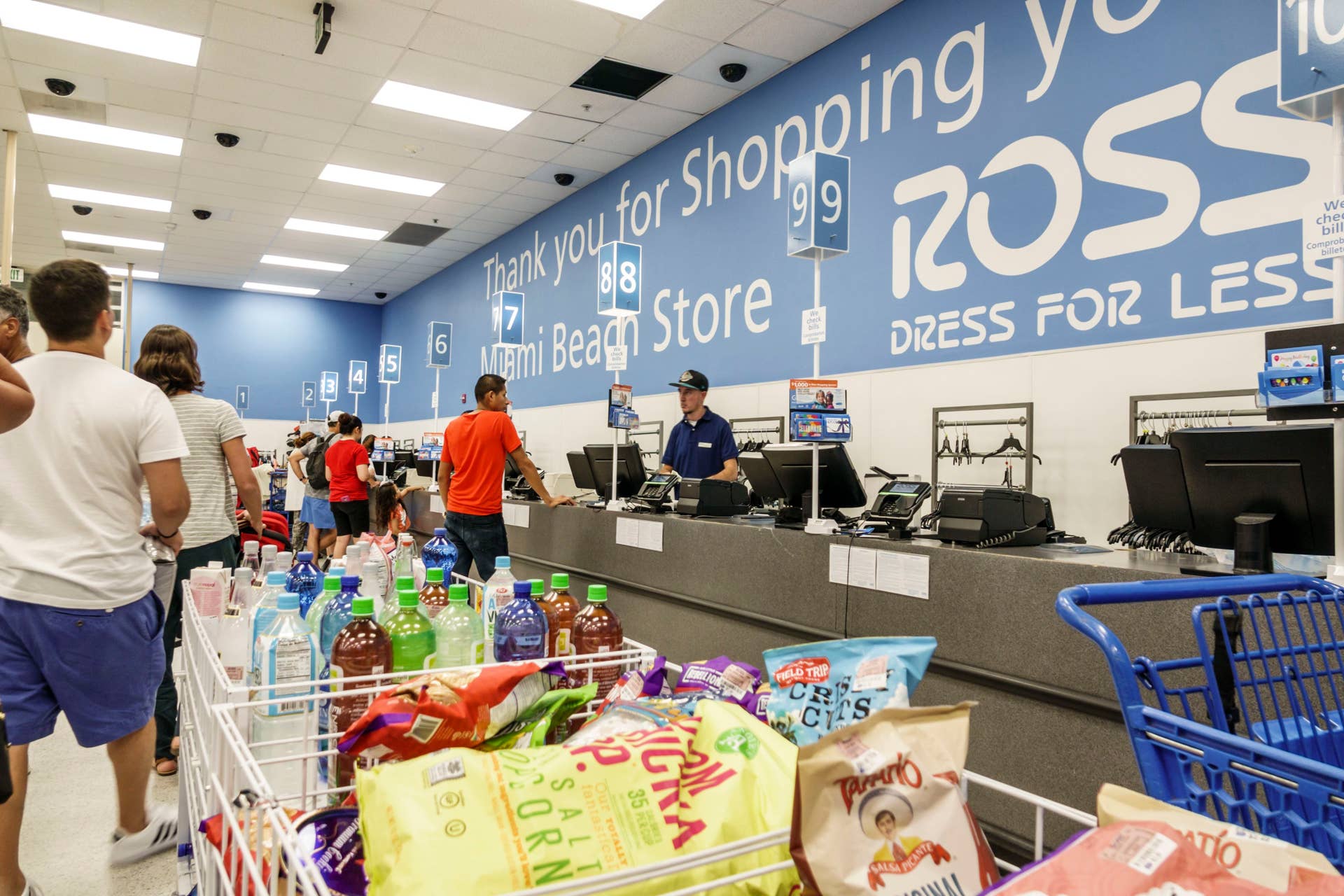
Every time I have passed by a Ross store, it has never felt particularly inviting. Perhaps it’s the way the stores are laid out or the unappealing displays at the storefront.
As much as I love a good bargain, walking into a store that screams discount isn’t necessarily the shopping experience I prefer.
But when I saw Ross’s fashion show, I was genuinely surprised by the options.
The retailer is planning several changes:
- New fashion label: Ross plans to introduce a private label called Broadway 38, although it has not announced a launch date.
- More recognizable brands: The company wants to expand its existing selection, which already includes French Connection, Rachel Zoe, and Rebecca Minkoff.
- Upscale store displays: Ross plans to introduce more sophisticated visual merchandising, including displays featuring complete, coordinated outfits.
- Younger shoppers: The retailer is developing a Gen Z-focused fashion collection and lookbook.
The company’s fall/winter 2026 fashion presentation, “When Art Moves,” provides a glimpse of its new positioning, showcasing structured tailoring, dramatic silhouettes, flowing fabrics, and statement accessories.
The changes are particularly notable, given Ross’s longstanding approach to store design.
On its official website, the retailer explains that it deliberately avoids window displays, mannequins, and elaborate fixtures to keep expenses low and pass more savings on to customers.
The planned introduction of coordinated outfit displays and more sophisticated visual merchandising therefore represents a meaningful departure from its traditional no-frills philosophy.
Ross has not yet disclosed which locations will receive the updated displays first or when the changes will be introduced across its store network.
Ross brings Hollywood appeal to its holiday shopping campaign
The transformation is extending beyond the merchandise itself.
Recently, Ross introduced another example of its new marketing approach with a holiday short film, “Night of Wonder,” starring actress Lucy Hale.
Directed by Phillip Lopez and produced by Rabbits Black, the film uses a cinematic style more commonly associated with luxury fashion advertising than traditional discount-store promotions.
Like the retailer’s fashion presentation, the holiday campaign reflects a broader effort to change how customers perceive the brand.
For Ross, the goal is not simply to convince existing customers to return more often. It also wants shoppers who typically visit higher-priced fashion retailers to consider Ross when buying clothing and accessories.
Ross’s strategy comes as discount shopping gains momentum
The effort comes during a period of strong customer demand for the retailer.
Ross Stores, which also operates dd’s DISCOUNTS, reported a 10% year-over-year increase in comparable-store sales during its second quarter of fiscal 2026.
Total sales rose 13% to $6.3 billion, according to the company’s Aug. 20 earnings release.
Customer traffic was a significant contributor to that growth.
As TheStreet previously reported, visits to Ross Dress for Less increased 16.4% year over year during the second quarter.
A Nov. 12 UBS research report shared with TheStreet provides another explanation for the momentum. The bank’s consumer research found that 79% of surveyed U.S. consumers consider value for money a major factor when choosing a retailer.
Ross has also expanded its physical footprint.
On Oct. 12, the company announced 51 new locations, including 41 Ross Dress for Less stores and 10 dd’s DISCOUNTS locations, across 17 states.
The openings completed its 2026 store growth program, which added 115 locations during the year.
This expansion gives Ross more opportunities to introduce its new image to customers who may never have shopped at the chain.
Ross faces challenge with upscale fashion move
The new strategy could create an important balancing act.
Ross wants to appeal to more fashion-conscious shoppers, but its popularity depends heavily on customers believing they are getting significantly better prices than they would at department stores.
And higher prices have already been part of the conversation.
As TheStreet previously reported, Ross CEO Jim Conroy said on the company’s August earnings call that average unit retail prices were expected to increase by a modest, low-single-digit percentage in the second half of 2026.
The new fashion strategy does not represent an additional, newly announced storewide price hike. Ross continues to advertise savings of 20% to 60% compared with regular department and specialty-store prices.
The challenge is that much of Ross’s apparel sells for approximately $10 to $12, according to analysts cited by The Business of Fashion.
Introducing more premium merchandise could attract new shoppers, but it may also test the expectations of customers accustomed to those lower price points.
The question is whether the retailer can introduce more brands and an elevated shopping experience without losing the customers who helped make it successful.
Ross is scheduled to report its third-quarter results on Nov. 19, providing another look at consumer demand ahead of the holiday shopping season.