SpaceX isn’t done making history. Sept. 9 marked another important date for SpaceX shareholders, due to its unique share-unlock structure.
The catalyst? Equity issuance. We’ll get to that in a moment.
SpaceX has given investors plenty to argue about since its June 12 IPO. The stock surged to $225.64 before losing half its value, ran into a growing lockup overhang, and somehow even fell after delivering its first earnings beat. Lately, it has looked like the shorts have had more to say than the buyers.
Beginning Sept. 7, though, we looked at SpaceX from a different angle, based on a research note shared with TheStreet.
For the first time, this firm has laid out a detailed, analytically bullish case for the stock. They decided to ignore the short-term focus and edge toward the longer-term focus of what SpaceX could look like once the post-IPO noise settles.
Pivotal Research Group initiated coverage of Space Exploration Technologies (SPCX) with a Buy rating and a year-end 2027 price target of $220, according to the note.
The stock trades around $146, meaning Pivotal’s target implies approximately 50% upside over roughly 15 months.
Who was the catch? Pivotal’s analyst Jeffrey Wlodarczak ranked 3,359th out of 12,514 Wall Street analysts on TipRanks with a 51% success rate. Not really a top-tier call by credentials, but the analysis itself is still worth reading carefully.
ALSO READ: SpaceX Latest News and Stories
The single SpaceX variable Pivotal’s entire thesis depends on
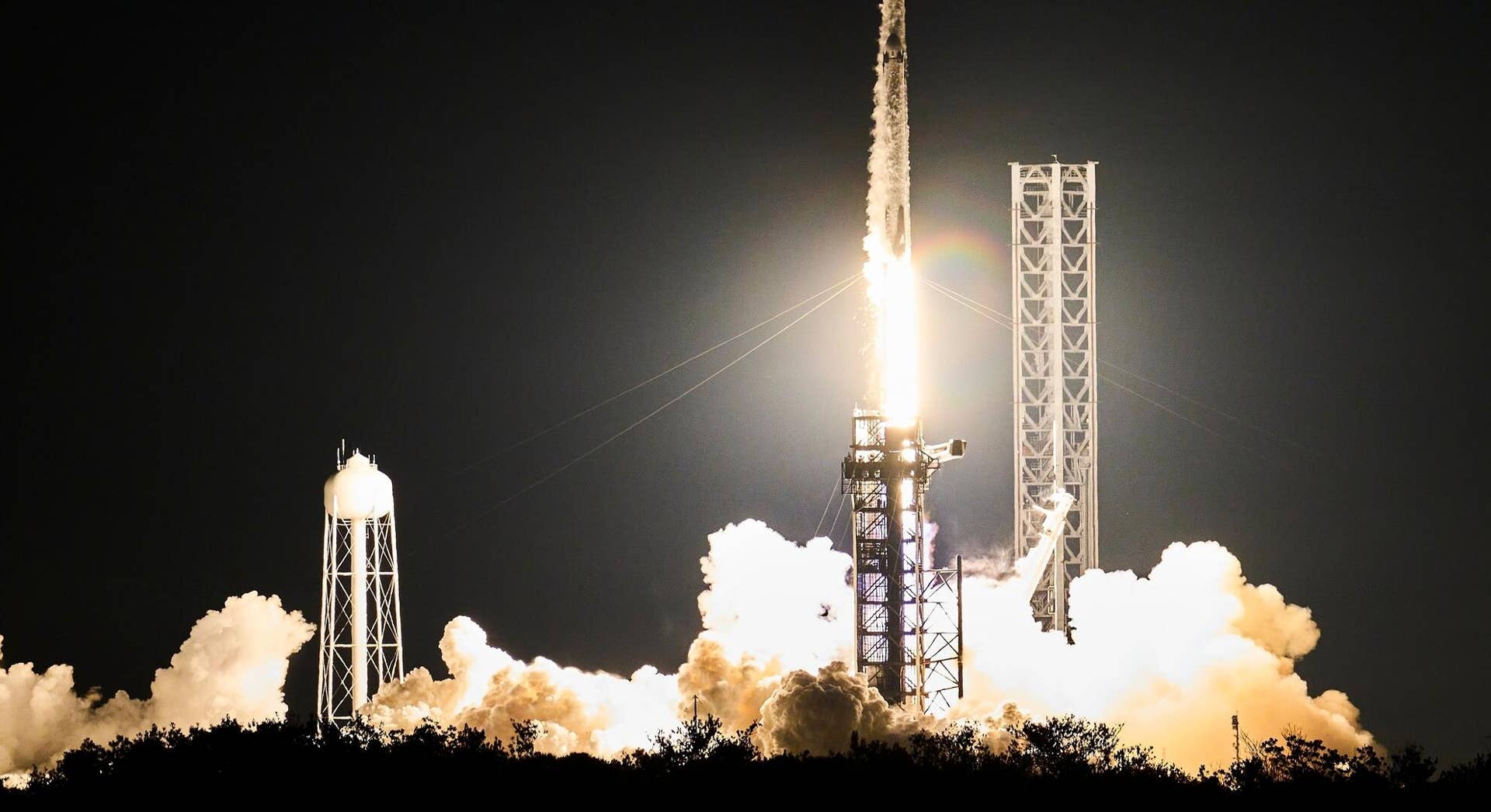
I see Pivotal’s investment case as simple in what it is betting on. Everything, from the valuation to the revenue projections and the long-term cash flows, rests on just one engineering milestone: Starship completing 20 to 50 flights per vehicle with inexpensive refurbishment and rapid turnaround, according to the note. Just that.
If SpaceX achieves that reusability target, Pivotal estimates launch costs could fall by more than 90%.
That would change the economics of nearly everything SpaceX does: expanding Starlink more cheaply, making orbital AI infrastructure viable, and transforming the company’s cost structure from one of the most capital-intensive in technology to one of the most cost-efficient delivery mechanisms ever built.
More SpaceX:
- Elon Musk’s startling claim to SpaceX investors
- Citi sends powerful sign to SpaceX investors
- Beaten-down stock lets you buy SpaceX below market price
If Starship does not achieve that reusability target on schedule, the $220 target evaporates. Pivotal assigns a 20% probability to a bearish scenario worth $75 per share. That’s around 50% below current levels, telling us everything about the binary nature of this investment.
In the most recent first-ever public earnings report, we see meaningful progress in SpaceX’s Q2 2026 flight tests.
Flight 12 completed Starship V3’s first suborbital mission with a precision landing of the upper stage, according to SpaceX’s Q2 earnings report.
Flight 13 achieved all objectives, deployed 20 production V3 satellites, demonstrated an in-space Raptor engine relight, and executed a soft splashdown with an intact heatshield, according to the same Q2 report. At least there’s a footing Pivotal Research is basing its argument on.
The revenue projections and the capital required to get there
The firm projects revenue rising from $46.6 billion in 2026 to $118.2 billion in 2027. Adjusted EBITDA is forecast to more than double, rising from $ 11.2-$ 22.3 billion over the same period.
Starship-powered launches are expected to grow from approximately 110 in 2027 to more than 3,200 by 2035. Cargo delivered to orbit is projected to climb from 2,360 metric tons in 2026 to more than 500,000 metric tons by 2035.
Related: SpaceX is now in your 401(k), and Musk is the risk
On Starlink, Pivotal forecasts 170 million self-service connectivity customers by 2037.
Subscribers reached 12 million as of June 30, 2026, doubling year over year (YoY), with enterprise and government revenue growing 108% YoY to $1.806 billion in Q2 alone, according to SpaceX‘s earnings release. That enterprise trajectory is the most immediate near-term validation of the connectivity thesis.
AI infrastructure is projected to expand from 2.2 gigawatts of compute in 2026 to 110 gigawatts by 2035, with roughly 80% of that capacity eventually operating in space.
And the capital required? Huge. Pivotal estimates SpaceX may need approximately $1 trillion over the next decade, including $75 billion in the second half of 2027 and roughly $125 billion annually through 2032.
Pause a little. I see a little problem. Equity issuance at depressed prices presents a severe dilution risk. And the negative free cash flow problem makes this a long-duration bet dependent on loyal, sustained investor patience.
The SpaceX lockup timing and where analysts stand
SpaceX faces another insider lockup expiry on Sept. 9, of approximately 319 million additional shares, The Motley Fool reported.
The prior August lockup released more than 1.2 billion shares without a major sell-off, and the stock subsequently rallied approximately 35%, helped by the earnings beat.
If you look at the individual tranches from August, they broke down into two massive waves:
- Aug. 6 (big wave): The very first lockup expiration freed 911.5 million shares (valued at over $100 billion at the time) into the market.
- Aug. 20 (second tranche): A second, smaller staggered lockup lifted trading restrictions on an additional 319 million shares.
The analyst community is broadly bullish, too.
- Raymond James sits at the high end with an $800 Strong Buy target.
- Morgan Stanley holds an Overweight at $300.
- Deutsche Bank and Bank of America are both at $235.
- Pivotal’s new $220 joins JPMorgan‘s $240.
- On the cautious end, HSBC holds at $115, and Phillip Securities has a Sell with a $75 target.
That spread is wide, from $75 to $800. That’s how the distribution of outcomes actually is for SpaceX. Pivotal holds a 65%/20%/15% probability distribution across base/bear/bull scenarios.
At $146 with the next lockup here, SPCX investors are watching whether supply absorption continues to hold, and whether Starship’s next test flight delivers the reusability data that either validates or challenges Pivotal’s entire thesis.
Related: Scott Galloway issues grim SpaceX stock price forecast