Billionaire hedge fund manager Bill Ackman has long gambled on Alphabet, as artificial intelligence has grown Google’s cloud business and helped lift its stock.
Then he went away.
Pershing Square’s latest regulatory filing shows the billionaire investor sold both Alphabet (GOOGL) share classes in the second quarter. He also acquired a $934 million Netflix (NFLX) position at quarter-end. The fund had 13.08 million Netflix shares on June 30.
At first glance, the move seems odd.
Alphabet announced $119.8 billion in quarterly sales, up 24%, with Google Cloud revenue increasing 82% to $24.8 billion. Netflix has dropped precipitously from its 2025 peak, with investors now questioning how much growth remains in streaming.
But Ackman’s transaction may suggest something more essential than whether firm is growing faster.
He seems to be transitioning from a corporation that needs superhuman expenditure to maintain its AI edge to one that he thinks has already won the costliest competitive battle in its sector.
Bill Ackman makes dramatic reversal on Netflix
Ackman has a track record with Netflix.
Pershing Square purchased the streaming startup in early 2022, but unexpectedly sold it months later when Netflix said it had lost subscribers for the first time in more than a decade. The withdrawal resulted in a loss of almost $400 million.
Four years later, Ackman is back.
He said Netflix was among six new investments Pershing Square made starting in the second quarter, including Visa, Mastercard, S&P Global, Intercontinental Exchange, and Alcon, Reuters noted, describing the adjustments as Ackman’s largest portfolio makeover in years.
Related: Bill Ackman’s Pershing Square invests $1.1B in fintech giant
The Netflix position is particularly interesting because of the rapid failure of Ackman’s initial premise.
Pershing now argues that the competitive landscape has changed. The firm said Netflix has effectively “won the streaming wars,” according to commentary surrounding the investment.
Netflix brought in $12.6 billion in revenue in the second quarter, up 13% year over year, with an operating margin of 33%. The business said it anticipates full-year sales of $51 billion to $51.4 billion and a full-year operating margin of 31.5%.
Alphabet’s AI success comes with a $200 billion problem
The company’s operational performance scarcely seems broken, which makes selling Alphabet now more appealing.
Google Cloud soared 82% as revenues hit $119.8 billion in the second quarter. Alphabet recently started making money selling its bespoke tensor processing units to outside clients, another move in the company’s effort to compete directly in AI infrastructure.
But the problem is the expense of that increase.
Alphabet increased its 2026 capital-expenditure forecast to between $195 billion and $205 billion, up from $180 billion to $190 billion previously. Heavy infrastructure spending pushed quarterly free cash flow to negative $5.9 billion, its first negative quarter as a public company.
That raises an interesting investment issue.
AI is driving Alphabet’s quicker growth, but investors also have to determine how much cash will be needed to fuel that expansion.
Netflix setup is almost opposite. Despite slower revenue growth, streaming’s giant infrastructure and content land grab have matured, profitability has increased, and the company can focus on pricing, advertising, and live programming.
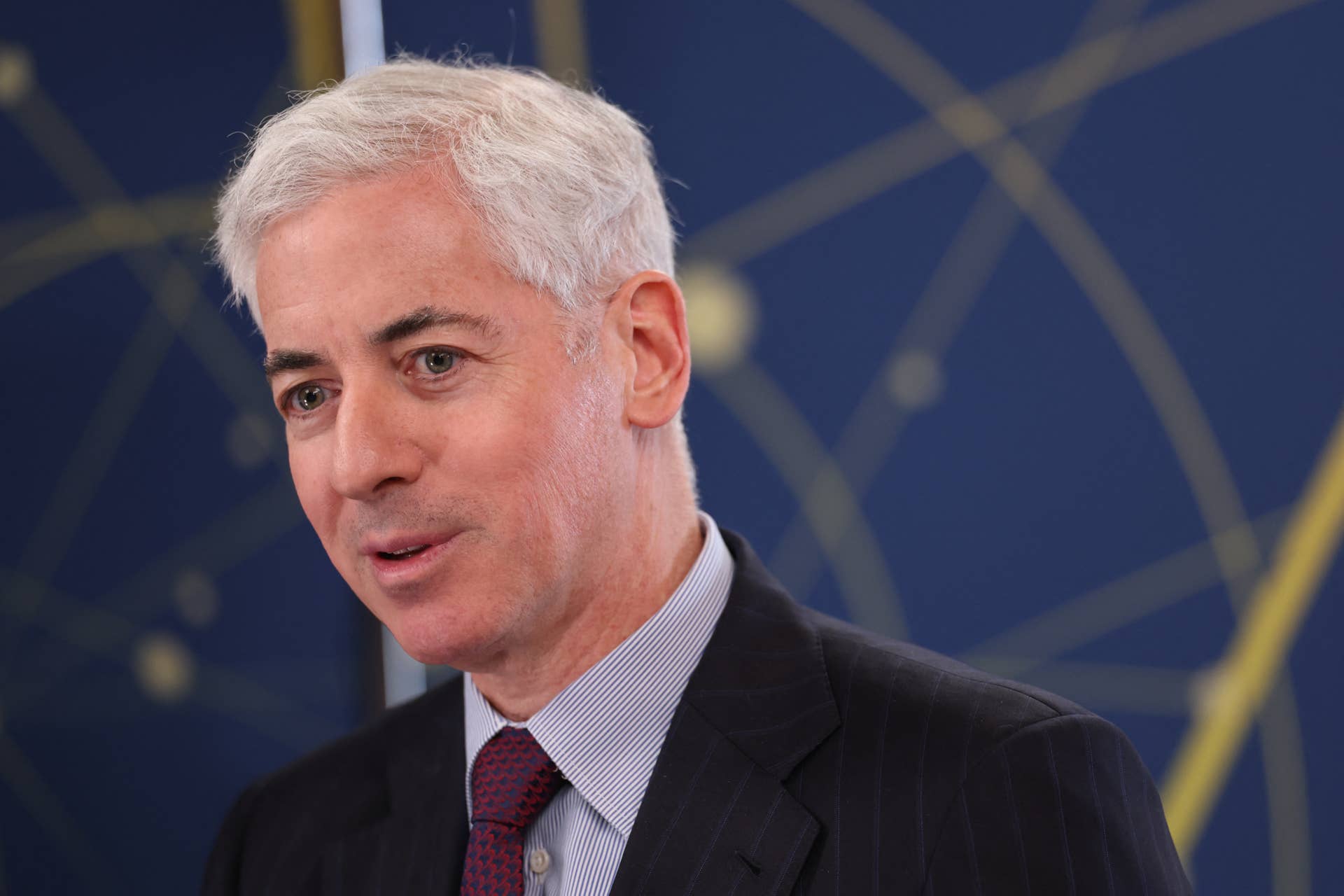
Ackman may be betting against Wall Street’s favorite narrative
That is not to say Ackman has gone bearish on artificial intelligence.
Pershing Square still has big investments in Microsoft, Meta Platforms, and Amazon, according to its June filing.
It might be a value and capital intensity issue.
More Manager Buy/Sells:
- Michael Burry increases his bet against popular chip giant
- Warren Buffett reveals he broke his own investing pattern
- Mark Cuban bets on MLB with Athletics minority stake
The AI gold rush has been rewarding firms offering huge AI potential even as expenditure on chips and data centers rockets upward. Thus, when a company’s competitive position improves and its stock price falls out of favor, Ackman is inclined to go elsewhere.
Netflix shares in the material were down around 42% from their 2025 top, and Alphabet had quadrupled over about 18 months.
It’s typical Ackman. A quality firm that is not popular, rather than a popular company, that’s already priced for great performance.
Ackman’s Netflix bet carries one uncomfortable reminder
The big danger is still there.
Netflix is in a tough fight for eyeballs with YouTube, social media, and conventional entertainment. Its advertising business is developing swiftly but is less than investors had earlier thought, and revenue growth has slowed from prior times.
Ackman also knows well how rapidly a Netflix thesis can crumble.
But that background makes his comeback all the more telling.
He isn’t just purchasing a beaten-down stock. He’s returning to a firm that once cost him hundreds of millions of dollars because he feels the business has evolved.
And by exiting Alphabet at the same time, Ackman is making a subtler wager. The next great investment may not be the company spending the most to win the AI boom. It may be the company that has already finished fighting its own expensive war.
Related: Billionaire Bill Ackman doubles down on these stocks in Q2