Wall Street is looking beyond this week’s Federal Reserve interest-rate decision to a potentially bigger market-moving signal: the Fed’s latest dot plot and what it says about the path for rates after an expected quarter-point hike.
Fed Chair Kevin Warsh faces a pivotal test of his inflation-fighting credibility as policymakers confront hotter prices, rising energy costs, and mounting bets on further rate increases.
A hike on Sept. 16 would be the Fed’s first increase since July 2023, but investors may care even more what the dot plot signals for additional hikes and how aggressively Warsh intends to push rates to bring inflation back to the central bank’s 2% goal.
Note that a rate hike is certain to draw highly vocal criticism from President Donald Trump and his allies, who have been campaigning for a drastic slash to 1% or less for years.
Remember, the Fed doesn’t traditionally pull the “one and done” game when it comes to increasing the benchmark short-term interest rate. The Federal Open Market Committee reset of the Federal Funds Rate usually lands in a package of at least two, if not more.
And then there’s the Fed’s quarterly dot plot (Summary of Economic Projections), an anonymous updated chart that displays where each FOMC member projects benchmark interest rates over the next two years and in the long run.
In light of hotter-than-expected August CPI data, I reported that market observers emphasize the central bank faces a critical “put up or shut up” moment.
Failing to take a decisive tightening action this week in light of persistent price pressures from sticky inflation fueled by tariffs and the oil crisis of the Iran war ups the risk that market and public trust is rapidly dissipating with the pivotal U.S. midterm elections now weeks away.
The market is in decent shape and priced accordingly, “which means the risk is increasingly asymmetric,” Madison Investments Head of Fixed Income Mike Sanders said.
“If Warsh does not deliver a hike, we could see an ugly steepening of the yield curve as investors question the Fed’s commitment to bringing inflation down,’’ he told TheStreet in an email.
And he acknowledged there are certainly arguments that a rate hike would do little to address the primary drivers of inflation, particularly energy supply.
“But Warsh has backed himself into a corner with his hawkish rhetoric since taking over. A rate hike should help stabilize the long end of the yield curve after its recent upward move,’’ he said.
Fed’s commitment to inflation focus of markets, consumers
The pivotal question: How committed is the Fed’s pledge — which Warsh recently pumped up last month at Jackson Hole — to the Fed’s 2% target, a metric it has missed for more than 5 years?
The August CPI report showed that core prices increased 0.3% and energy costs jumped, alongside rising crude oil prices from ongoing U.S.-Iran geopolitical tensions, reversing previous forecasts.
The renewed price pressures have left policymakers with sufficient evidence to resume monetary tightening to push inflation back down toward that 2% target.
TD Securities is among the big banks that raised Fed forecasts beyond two hikes after the Sept. 11 August CPI report rose more than expected.
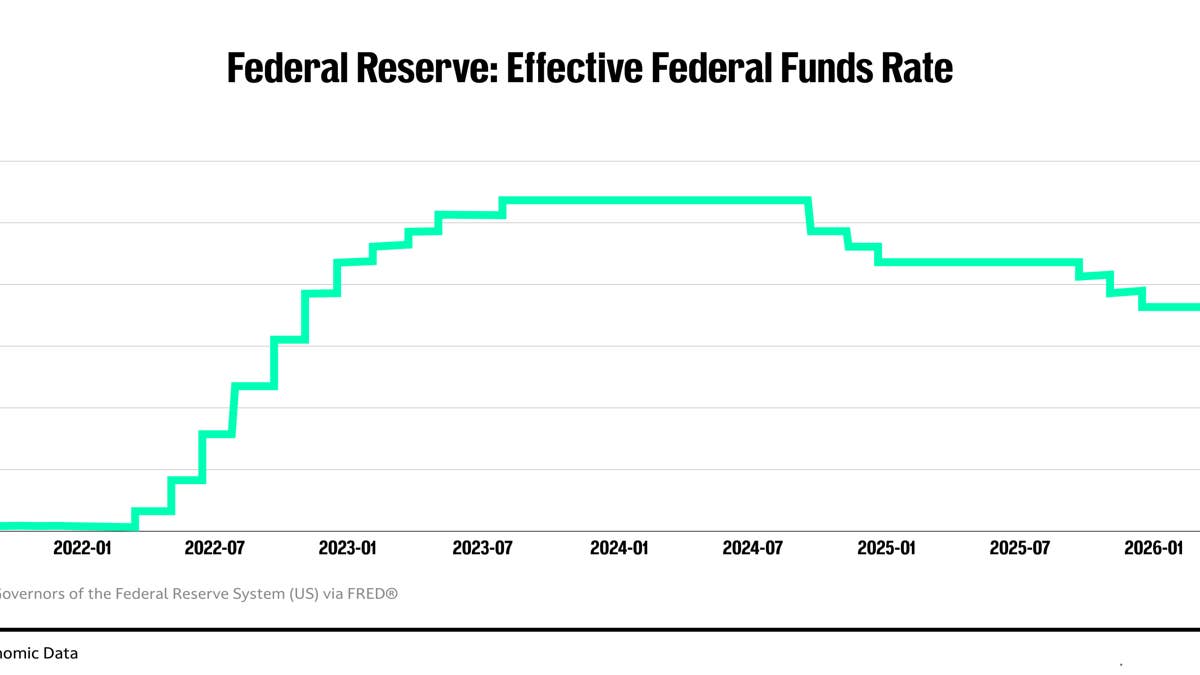
TD Securities said it expected a quarter-point hike to the current 3.50% to 3.75% range during the FOMC meeting Sept. 15-16, but didn’t stop there.
“We expect a total of three interest rate hikes in this cycle. We anticipate the next two hikes to occur in October and January of next year,’’ the note to clients said.
TheStreet
Economist talks Bessent, bonds, long yields
Economist Ed Yardeni of Yardeni Research said the 2-year and 10-year yields are clearly calling for a rate hike.
“If they keep rising after Warsh’s presser… he will still have a credibility problem,’’ he said in a note, adding that Warsh could rebuild the Fed’s inflation-fighting credibility with a hawkish press conference.
“By backing his rhetoric with policy action, he might persuade financial markets to have more confidence in the Fed. That could reduce the burden on Treasury Secretary Scott Bessent to bolster his credibility with the Bond Vigilantes,” he said.
Related: Citi says Fed rate hike could deliver stock market shock