The part of the hotly anticipated Nov. 14 SpaceX Starship flight I kept replaying wasn’t the launch. It was the exact moment the spacecraft came back from orbit and hung between the steel arms of the same tower it had left the day before.
Needless to say, it was quite the spectacle, and NASA Administrator Jared Isaacman probably said it best, calling it “almost magic.” Similarly, Google-parent Alphabet CEO Sundar Pichai wrote on X, saying, “Congrats @SpaceX for that starship catch, still feels like science fiction! Watching it live was incredible. Upwards!”
The booster missed its planned catch, so this wasn’t a clean sweep. But recovering the ship itself gets SpaceX (SPCX) closer to flying it again instead of having to build a new one for every trip.
Just before Starship came home, a Q3 13F filing by Morgan Stanley (one of the bookrunners on SpaceX’s June IPO) gave SpaceX investors something remarkably pertinent to look at.
The bank reported a $5.6 billion stake in SpaceX as of the end of the quarter, meaning the position was already on its books well before the catch.
SpaceX stock fell in Q3 but Morgan Stanley’s share count nearly tripled
Morgan Stanley reported 37.3 million SpaceX stock shares at the end of September, up from 13.5 million at the end of June, an increase of 23.8 million shares (a whopping 176% jump), as reported by 13F.info.
The position’s reported value climbed from roughly $2.3 billion to $5.6 billion, even as SpaceX fell nearly 12% during the quarter, from $170.86 to $150.86.
The case for getting in on the SpaceX action isn’t tough to see.
More SpaceX:
- SpaceX fires back at T-Mobile over desire to harm Starlink
- SpaceX’s multi-trillion-dollar case rests on a bet not yet launched
- Bank of America sends SpaceX stock investors strong signal
The company’s Q3 results showed sales jumping 161% to $14.6 billion, driven by AI and connectivity. The connectivity business, which includes Starlink, generated $5.25 billion in sales and $2.37 billion in operating profit.
Starlink ended September with 13.6 million consumer subscribers, up from 7.2 million a year earlier, positioning it as perhaps SpaceX’s crown jewel. The company says its first revenue-generating Starship mission put roughly 10 times as much Starlink downlink capacity into orbit as a Falcon 9 Starlink launch.
Moreover, AI is already a massive business in terms of sales. SpaceX’s Super Intelligence segment brought in $7.56 billion in the quarter, led by cloud agreements and the acquisition of AI coding company Cursor.
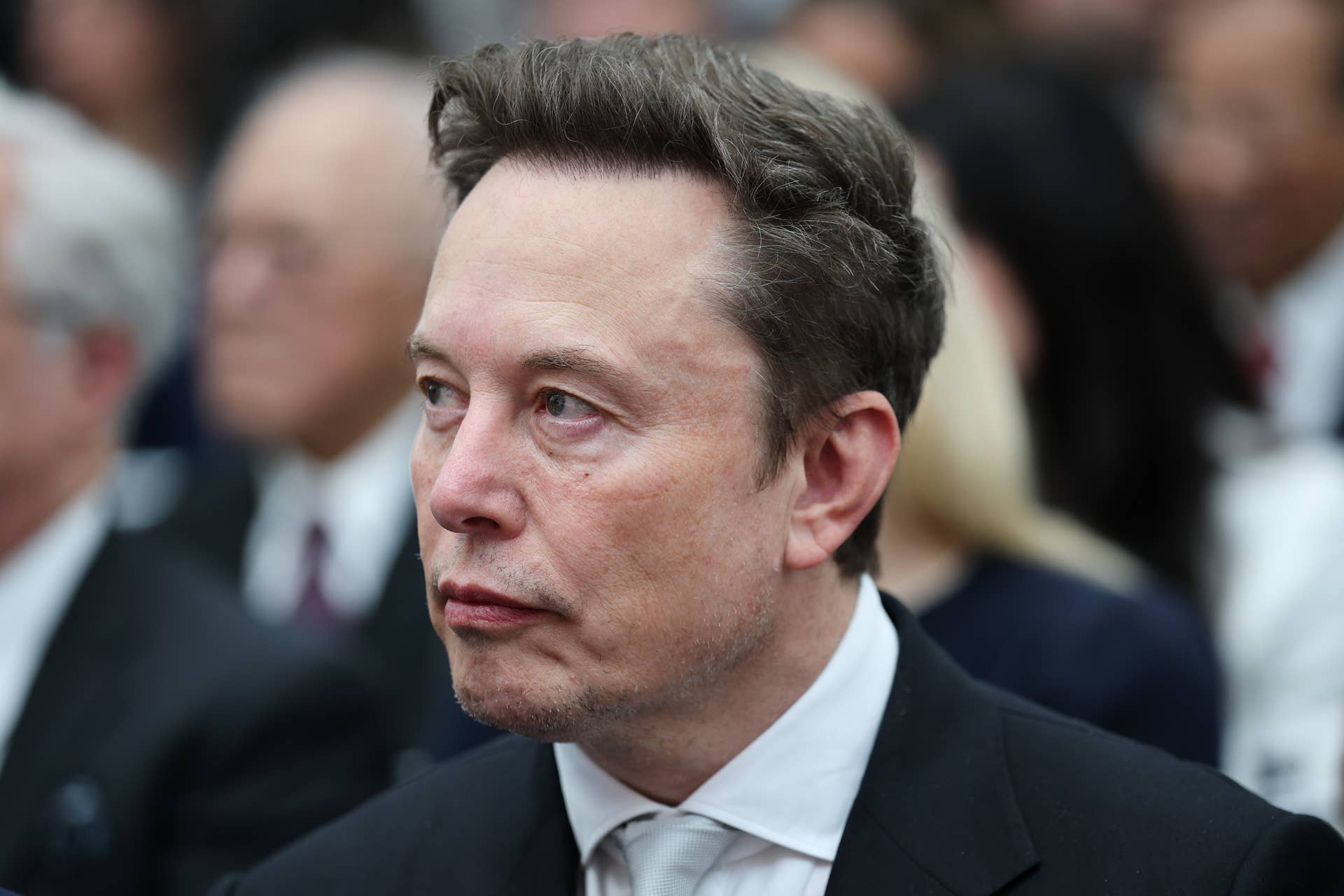
On the earnings call, Musk said the AI expansion implies “SpaceX annual recurring revenue by the end of 2027 is somewhere between $500 billion and $1 trillion.”
Still, the AI segment’s $16.4 billion in CapEx in Q3 alone is reason to temper that enthusiasm. The segment still has to show that the investment can pay off.
SpaceX wasn’t the only big increase in Morgan Stanley’s filing
Morgan Stanley doubled down on tech stocks in Q3, and the reported share count rose by 7.43 million for Amazon, 5.68 million for Alphabet across both share classes, and 5.59 million for Nvidia. Microsoft and Meta went the other way.
The case for Amazon and Alphabet has everything to do with their tremendous cloud sales, despite elevated CapEx requirements. Amazon’s AWS sales rose 39.3% in Q3, and Google Cloud revenue more than doubled to $30.7 billion. Those lofty figures show just how much customers are already paying for cloud capacity.
Nvidia sells the chips that power much of the AI buildout. However, as covered extensively, it’s a rough time for the AI poster child following the ouster of its CEO, Jensen Huang. Nevertheless, it’s still the front-runner in the AI space, and its upcoming quarterly report on Nov. 17 will offer more clues on where things go next.
What SpaceX stock investors should watch ahead
At its most recent close, SpaceX was worth an extraordinary $1.89 trillion, roughly 39 times forward sales estimates, as reported by Seeking Alpha.
That’s a telling stat because a successful flight clearly strengthens the engineering case. At that valuation, though, I’d want the financial case to get stronger, too.
On the next earnings report, I’d watch Starlink subscriber growth and revenue per user together. More customers will mean a lot more to SpaceX if it can add them without cutting what each pays or spending disproportionately more to serve them.
Then it’s important to look at cash. Through September, SpaceX generated $13.1 billion in operating cash flow and spent $48.1 billion on property, plant, and equipment, most of which is linked to its AI segment.
Cheaper satellite launches might help Starlink, but they can’t settle whether the AI buildout earns its keep. Morgan Stanley’s filing tells you where the shares were at quarter-end. Those operating numbers will tell you more about whether the stock is worth its price.
Related: Jim Simons’ firm dumps Nvidia, reveals $2.24 billion in 2 tech stocks