Jeff Bezos does not dispute that housing has become painfully expensive.
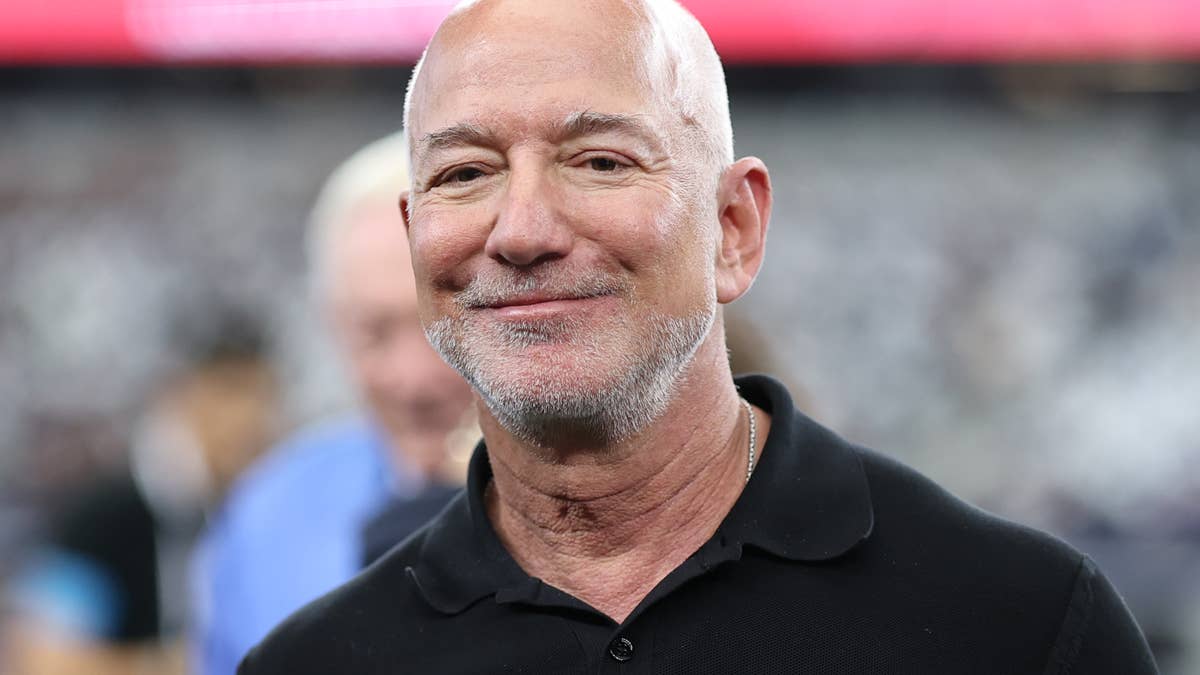
Sitting down with Bret Baier on Fox News’ Special Report on Blue Origin’s factory floor in Cape Canaveral, Florida, the Amazon founder admitted the country has real affordability problems, especially housing costs that push young people far from their jobs, according to Fox News. The interview aired as the network marked its 30th anniversary.
Where he parts ways with many politicians is on who is to blame. Bezos said the popular line that “greedy landlords” are behind high housing costs misses what is actually going on, and that pointing at them gets in the way of working on the real fix.
Also read: Jeff Bezos doubles down on AI message for American workers
Bezos blames supply, not landlords
In Bezos’s view, housing is a basic supply and demand problem. He argued that government programs have made it worse by subsidizing demand while limiting how much new housing gets built.
He also described young people who feel they have to live two hours out of town just to afford a place.
He had advice for voters, too. Bezos said a politician who spends time “picking villains and pointing fingers” probably does not have a real solution, and that people should look closely at anyone who leads with blame.
The comments came in a wider conversation about politics. Baier asked why socialism is gaining ground with some Americans, and Bezos answered by acknowledging the affordability problems people face, saying you cannot pretend those problems do not exist. He did not address socialism directly in the remarks reported.
Washington has also started to lean toward the supply argument. The ROAD to Housing Act, which became law on July 11, focuses on making homes faster to build and easier to approve, including by exempting some smaller projects from federal environmental reviews, as reported by TheStreet.
It also keeps some limits on large institutional buyers of single-family homes, though it cannot force local governments to change their zoning rules.
Why Bezos points to Austin
Bezos held up Austin as the model. He said the city has spent the last decade making it easier to build homes, and that prices there are now going down.
Realtor.com data for Travis County shows that Austin’s median listing price and median rent are both lower than a year ago.
Rents had already been sliding for a while. As of early 2025, Austin rents had fallen for 19 straight months, and builders there pulled permits for far more apartments per resident from 2021 to 2023 than in any other major U.S. metro. About 17,000 apartments were under construction at the time.
Local leaders have made the same argument Bezos did. Austin City Council Member José “Chito” Vela said the old idea that blocking construction would keep costs down had been proven false, after voters elected a council more open to new housing.
The picture is not all positive. BiggerPockets Chief Investment Officer Dave Meyer said Austin overbuilt during the pandemic boom, which is why prices are falling and rents are softening even though people are still moving there. Prices had also run ahead of local incomes. The same pattern is showing up in other Sun Belt cities.
Young buyers are losing ground
Bezos’s point about young people matches the data. The median age of a first-time homebuyer has climbed to 40, a record high.
The gap between prices and pay explains much of it. Home prices for young adult households have risen about 75% since 2000 in real terms while incomes grew roughly 26%, and estimates of the nation’s housing shortage run into millions of homes.
More Jeff Bezos:
- Jeff Bezos sends stunning message to American workers
- Jeff Bezos takes bold new turn amid $4B Amazon sell-off
Many young adults are getting creative. About one in five moved back in with family before buying their first home, using the money they saved on rent to build a down payment or pay down debt. The typical U.S. rent was about $1,962 in July 2026.
They are also competing against wealthier buyers. First-time buyers put down about 10% on average in 2025, compared with 23% for repeat buyers. Investors with bigger down payments or cash offers often win out. Lenders also tend to approve loans for investment properties more often than for primary homes.
What it means for buyers right now
Borrowing costs are not helping. The average 30-year mortgage rate passed 7% in late September for the first time since January 2025, according to Freddie Mac data. Mortgage rates tend to follow the 10-year Treasury yield, which had climbed to its highest level since 2023.
Even lower rates may not fix things quickly. Morgan Stanley found that affordability would not return to pre-2022 levels even if rates fell to 5%. Partly because a large share of existing homeowners with mortgages are locked into rates below that and are reluctant to sell. Housing turnover is near a 40-year low as a result.
That leaves building as the long-term answer Bezos is pointing to, but it will take time. Experts expect the new federal housing law to bring relief slowly, with full implementation possibly taking years. For young buyers, Austin shows what more supply can do, even if the rest of the country is still far behind.
Related: Zillow predicts major mortgage rate, housing market change